
DrugTrafficking – Aslam Shaikh Seeks Tougher MCOCA Action in Maharashtra
DrugTrafficking – Congress legislator Aslam Shaikh on Thursday called for stronger enforcement measures against drug trafficking in Maharashtra, urging the state government to invoke stringent provisions of the Maharashtra Control of Organised Crime Act (MCOCA) and confiscate properties linked to those involved in the illegal narcotics trade.
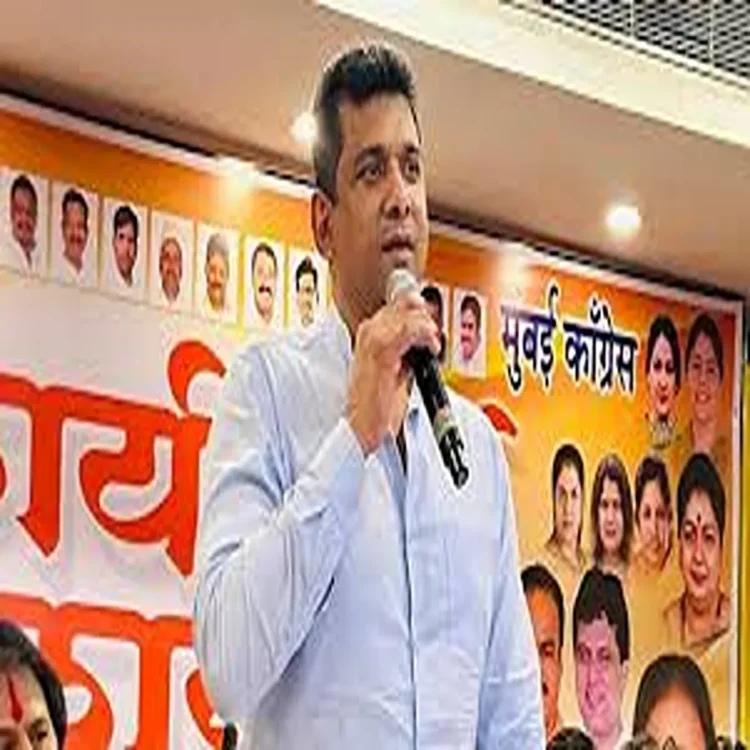
Demand for Stronger Legal Provisions
Speaking to reporters after a meeting of the Maha Vikas Aghadi alliance, Shaikh said he had consistently pressed for firm action against drug networks over the past year. He noted that he had raised the issue during the state Assembly session, recommending that authorities go beyond the Narcotic Drugs and Psychotropic Substances Act and apply MCOCA to individuals allegedly operating organised drug rackets.
According to Shaikh, the Chief Minister had responded by facilitating the use of the stringent law in certain cases, and arrests had been made under its provisions. However, he suggested that the broader objective of curbing the availability of drugs had not yet been achieved.
Concerns Over Availability Near Schools
The Congress MLA expressed serious concern about reports that narcotics continue to be accessible near schools, colleges, bus stops and railway stations. He described the situation as deeply troubling, particularly when young people are considered most vulnerable to substance abuse.
Referring to recent incidents, Shaikh pointed out that some Bharatiya Janata Party legislators had themselves intervened to expose alleged drug sales outside educational institutions. He argued that such developments reflect gaps in enforcement and oversight, raising questions about the effectiveness of ongoing anti-drug operations.
While acknowledging that arrests have taken place, Shaikh maintained that isolated crackdowns are insufficient to dismantle organised networks. He said that as long as supply chains remain intact, enforcement efforts may not produce lasting results.
Call for Asset Seizure and Financial Crackdown
Emphasising the need for a comprehensive approach, Shaikh urged authorities to focus not only on arrests but also on financial investigations. He argued that seizing properties, freezing bank accounts and attaching assets linked to drug trafficking could significantly weaken criminal networks.
“When there is a legal provision to invoke MCOCA, it should also be used to attach properties and freeze funds,” he said, adding that such steps would act as a strong deterrent. According to him, financial action is critical to ensuring that those involved in narcotics trade do not retain the economic benefits of illegal activity.
Legal experts have often noted that MCOCA provides authorities with broader investigative powers in cases involving organised crime. The Act allows for stricter bail conditions and enhanced surveillance mechanisms, which the Congress leader believes could be instrumental in tackling structured drug syndicates.
International Comparisons and Deterrence
Drawing comparisons with international enforcement models, Shaikh referred to countries such as Dubai and Singapore, where drug-related offences are met with severe penalties. He suggested that adopting similarly firm measures within Mumbai and across Maharashtra could create a powerful deterrent effect.
However, he did not elaborate on specific policy changes beyond the existing legal framework. His remarks come amid wider discussions on drug trafficking in urban centres, particularly in metropolitan regions where population density and transport connectivity can make monitoring more complex.
Political Context and Ongoing Debate
The issue of narcotics control has increasingly become a point of political debate in Maharashtra. Members of opposition parties have questioned the state government’s effectiveness in maintaining law and order, while ruling party leaders have highlighted ongoing enforcement drives and recent seizures.
Shaikh reiterated that combating drug trafficking requires coordinated action between law enforcement agencies, policymakers and local communities. He stressed that the safety of students and young residents must remain a priority.
As the discussion continues, the demand for stricter implementation of existing laws and greater accountability from authorities is likely to remain central to the state’s political discourse on crime and public safety.