
Delhi : Shivers as January Cold Tightens Its Grip on the Capital
Delhi: The national capital experienced one of its coldest January mornings in recent years as temperatures plunged sharply, sending a clear signal that winter is far from over. The sudden dip in the mercury has intensified cold wave conditions across the city, affecting daily life, health, and mobility. Residents woke up to biting cold, with weather stations across different zones reporting temperatures well below seasonal averages.
Record Low Temperature at Safdarjung
On Thursday morning, Delhi recorded its lowest minimum temperature for January since 2023. At the Safdarjung observatory, which is considered the primary weather monitoring station of the city, the minimum temperature dropped to 2.9 degrees Celsius. This reading highlights how severe the ongoing cold spell has become, especially when compared to normal January temperatures in the region.
Historical data shows that the last time such extreme cold was observed in January was on January 16, 2023, when the temperature dipped even further to 1.4 degrees Celsius. While Thursday’s reading did not break that record, it still stands out as a significant indicator of persistent cold wave conditions.
Temperature Variations Across Different Areas
Different parts of Delhi experienced varying degrees of cold, though all remained well below normal levels. The Palam area recorded a minimum temperature of 2.3 degrees Celsius, making it one of the coldest locations in the city. At Lodhi Road, the mercury settled at 3.4 degrees Celsius, while the Ridge station reported a comparatively higher minimum of 4.5 degrees Celsius.
Ayanagar also witnessed intense cold, with temperatures dropping to 2.7 degrees Celsius. According to available records, the minimum temperature at Palam was the lowest recorded there since 2010. The second-lowest temperature in Palam was observed on January 7, 2013, when it touched 2.6 degrees Celsius. These figures underline how unusual and intense the current cold spell has been.
Cold Wave Conditions Grip the Capital
All major weather stations in Delhi reported temperatures significantly below the normal range, confirming the persistence of cold wave conditions. For the past several days, the city has been reeling under severe cold, with chilly winds and reduced sunlight making conditions harsher, especially during early mornings and late nights.
Such prolonged cold waves can have multiple impacts, including increased health risks for the elderly, children, and those with respiratory issues. Homeless populations and outdoor workers are particularly vulnerable during these periods, as extended exposure to low temperatures can lead to serious health complications.
Fog and Reduced Visibility Concerns
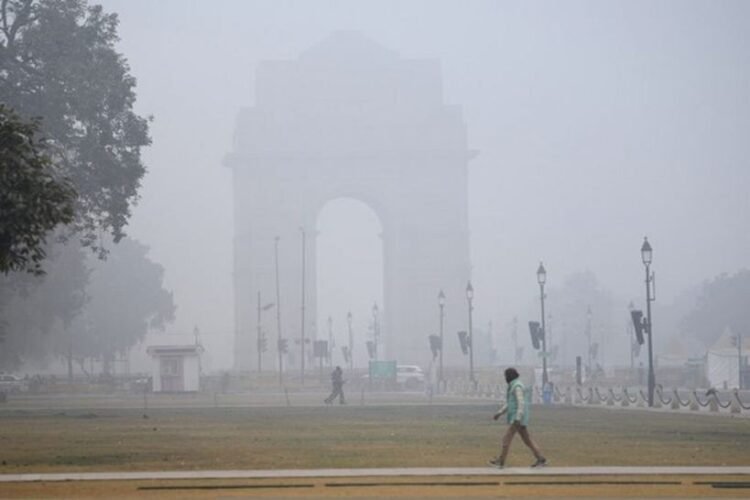
In addition to low temperatures, fog has emerged as another challenge for the city. Reduced visibility during morning hours has affected road, rail, and air traffic, causing delays and disruptions. Commuters have been advised to exercise caution while traveling, particularly during early hours when fog density tends to be higher.
Dense fog in isolated areas further complicates movement, increasing the risk of accidents on highways and arterial roads. Authorities and traffic management agencies remain on alert to minimize disruptions and ensure public safety.
Weather Forecast for the Coming Days
According to the India Meteorological Department, cold wave conditions are expected to persist on Friday as well. The forecast indicates moderate fog at many places across Delhi, with dense fog likely in isolated pockets during the morning hours.
While a slight rise in daytime temperatures may offer temporary relief, nights and early mornings are expected to remain extremely cold. Meteorologists suggest that the current weather pattern is driven by northwesterly winds and the absence of significant cloud cover, which allows heat to escape rapidly during the night.
Impact on Daily Life and Precautionary Measures
The ongoing cold spell has influenced daily routines, with people avoiding early morning outings and relying heavily on warm clothing and heating appliances. Schools, offices, and public transport systems are adjusting schedules to cope with weather-related delays.
Health experts recommend staying indoors during peak cold hours, maintaining adequate hydration, and ensuring proper ventilation when using heaters. Simple precautions such as layering clothes and consuming warm food can significantly reduce the risk of cold-related illnesses.
As Delhi continues to endure this intense phase of winter, residents are advised to stay updated with official weather advisories and take necessary precautions to remain safe and healthy.