
Delhi Pollution: Delhi-NCR Faces Severe Air Pollution and Dense Fog, Disrupting Daily Life and Transportation
Delhi Pollution: Air quality in India’s national capital has witnessed a sharp decline, pushing daily life in Delhi-NCR into serious difficulty. According to official data, the Air Quality Index reached the severe category early Tuesday morning, signaling hazardous conditions for residents. Several parts of the city recorded alarmingly high pollution levels, while cold weather and dense fog further worsened visibility across the region. Together, these factors have created a challenging situation affecting health, transportation, and overall mobility.
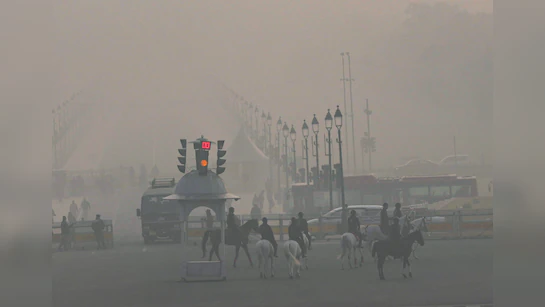
Worsening Air Quality Across Delhi-NCR
The air pollution situation across Delhi and its surrounding regions has steadily deteriorated over the past few days. Many areas reported AQI readings well above safe limits, placing them in the severe or very poor categories. Cities such as Noida, Gurugram, Ghaziabad, and Greater Noida experienced extremely unhealthy air, with some locations crossing the 400-mark. National highways and industrial zones were among the worst affected, reflecting the widespread nature of the pollution problem.
In Delhi itself, residential and commercial areas alike saw a significant rise in pollution levels. From northern zones like Alipur and Rohini to central areas such as ITO and Chandni Chowk, toxic smog remained persistent throughout the morning. Even prominent institutional and sports complexes recorded severe readings, highlighting the scale of the crisis.
Health Concerns for Residents
The dense smog has led to a noticeable increase in health complaints among residents. Many people reported symptoms such as sore throat, nasal congestion, watery eyes, headaches, and breathing discomfort. Children, elderly citizens, and individuals with respiratory conditions have been particularly vulnerable. Doctors have advised minimizing outdoor activities, wearing protective masks, and staying hydrated to reduce exposure to polluted air.
Cold temperatures have added to the discomfort. With the minimum temperature hovering around 11 degrees Celsius, the combination of winter chill and polluted air has made mornings especially harsh for commuters and morning walkers.
Impact on Flight Operations
Air travel has been significantly affected due to low visibility caused by dense fog. Flight operations at the Delhi airport have been conducted under special low-visibility procedures, which can result in delays and disruptions. Airport authorities have issued advisories requesting passengers to stay informed about their flight schedules through airlines. While operations continue, fog-related conditions remain a challenge, especially during early morning and late-night hours.
Train and Road Traffic Disruptions
Poor visibility has also impacted rail and road transportation. Several trains running to and from the national capital have faced delays as a precautionary measure. On roads, commuters have encountered slower traffic movement, particularly on highways and arterial routes. Authorities have urged drivers to maintain safe distances, use fog lights responsibly, and avoid unnecessary travel during peak fog hours.
Weather Conditions and Fog Forecast
The ongoing cold wave across North India continues to influence weather patterns in Delhi-NCR. Meteorological forecasts indicate that moderate to dense fog is likely to persist over the region for several more days. Although daytime conditions may improve slightly, mornings and evenings are expected to remain challenging due to low visibility. Commuters have been advised to plan their travel accordingly and remain cautious.
Daily Life Under Severe Pollution
The combined effect of severe air pollution and winter fog has disrupted routine activities across the region. Outdoor exercise, school commutes, and work travel have all been impacted. Authorities and health experts continue to emphasize the importance of precautionary measures until conditions improve.
As Delhi-NCR navigates through this difficult phase, coordinated efforts from government agencies, transport authorities, and citizens remain crucial to managing health risks and ensuring safety during extreme pollution and weather conditions.