
Delhi government: Delhi Moves Toward a Fully Digital Free Bus Travel System for Women with Pink Saheli Smart Card
Delhi government: The Delhi government is preparing for a significant transformation in its free bus travel initiative for women by replacing the long-running pink ticket system with a fully digital solution. This upcoming change reflects a broader push toward transparency, efficiency, and technology-driven public services, aiming to modernize how millions of women commute across the city every month.
Background of the Free Bus Travel Scheme
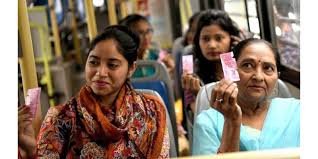
Since its launch in 2019, the free bus travel scheme for women has played a major role in improving mobility, safety, and economic participation for women in Delhi. The pink ticket system allowed women passengers to travel without paying fares on DTC and cluster buses. Over time, however, challenges such as misuse, lack of accurate data, and operational inefficiencies became more visible, prompting the government to rethink the model.
Introduction of the Pink Saheli Smart Card
To address these challenges, the government plans to introduce the Pink Saheli Smart Card, which will become mandatory for free bus travel starting in 2026. This smart card will replace paper-based pink tickets entirely. Women and girls aged 12 years and above will be required to carry and use this card while boarding buses. The goal is to create a seamless, paperless, and accountable travel system that aligns with modern urban transport standards.
How the Smart Card System Will Work
Under the new system, eligible women passengers will tap their Pink Saheli Smart Card on an electronic ticketing machine installed inside the bus. The card will securely store basic identity-related information, allowing the system to verify genuine beneficiaries instantly. This tap-and-go process is expected to reduce boarding time, minimize manual intervention, and improve the overall travel experience.
Eligibility and Documentation Requirements
To obtain a Pink Saheli Smart Card, applicants must provide an Aadhaar card with a valid Delhi address. This requirement ensures that the benefit reaches residents for whom the scheme is intended. The age criterion has been clearly defined to include adolescent girls as well as adult women, expanding the scope of safe and affordable public transport access.
Scale of Impact on Women Commuters
Government estimates suggest that nearly 2 crore women use Delhi’s bus services every month. With the introduction of the smart card system, authorities will gain accurate insights into passenger numbers, travel patterns, and scheme coverage. This data-driven approach will help policymakers assess the real impact of the initiative and make informed decisions in the future.
Expansion to Multiple Smart Card Categories
The digitization effort is not limited to women passengers alone. The transport department is working on a broader smart card ecosystem that includes three categories. The Pink Saheli Card will be exclusively for women and offer completely free travel. A Special Smart Card will cater to senior citizens, persons with disabilities, and existing pass holders by offering tailored benefits. A General Smart Card will function as a prepaid option for all other passengers, similar to a metro card, enabling easy top-ups and cashless travel.
Registration and Distribution Process
To make registration accessible, smart card enrollment counters will be set up across Delhi. These counters will operate at district administration offices, bus depots, and Common Service Centres. The issuance and management of the cards will be handled by selected private agencies or banking partners, ensuring professional operations and wide coverage.
Implementation Timeline and Phase-Out of Pink Tickets
The government plans to roll out the smart card-based free travel system from 2026, once infrastructure, technology, and registration processes are fully in place. After implementation, paper pink tickets will be discontinued entirely. Officials indicate that if preparations progress smoothly, the system could be activated anytime after mid-January once final approvals are secured.
Expected Benefits of Digitisation
According to the government, the smart card system will significantly reduce leakages, prevent fraud, and control unnecessary expenditure. Beyond financial efficiency, it will also establish a modern, integrated ticketing framework for Delhi’s bus network. This transition represents a step toward smarter urban mobility and more accountable public welfare programs.