
DAArrears – Political Tensions Rise Over Supreme Court Order in Bengal
DAArrears –A fresh political confrontation has emerged in West Bengal following the Supreme Court’s recent directive on pending Dearness Allowance (DA) payments to state government employees. The issue has triggered sharp exchanges between senior leaders, with the matter now at the center of both legal and political debate.
Union Minister Targets Chief Minister Over Legal Approach
Union Minister for Environment, Forest and Climate Change Bhupender Yadav on Tuesday accused West Bengal Chief Minister Mamata Banerjee of taking an unprecedented step by approaching the Supreme Court against her own government staff.
Addressing reporters, Yadav claimed that no other Chief Minister in the country had chosen to challenge state employees in the apex court in such a manner. He criticized Banerjee for contesting the Special Intensive Revision of electoral rolls instead of focusing on resolving the long-standing DA dispute. According to him, the state administration should prioritize clearing dues owed to its employees.
Yadav further stated that the state government should apologize to its workforce for the prolonged delay in payments, arguing that the matter has caused distress among employees across departments.
Opposition Backs Court Order, Questions State’s Stand
Leader of the Opposition in the West Bengal Legislative Assembly Suvendu Adhikari also weighed in, asserting that the DA case is no longer pending before the judiciary. He maintained that the Supreme Court’s verdict had effectively settled the matter.
Adhikari pointed out that the Chief Minister had recently described the issue as sub judice while speaking to journalists at the state secretariat, Nabanna. He countered that claim by emphasizing that the apex court had delivered its judgment and provided guidance on the payment process.
The BJP legislator from Nandigram said the court had underlined the importance of safeguarding employees’ rights and had set a timeline for releasing part of the arrears. He warned that if the state government fails to disburse 25 percent of the pending DA by March, affected employees could once again seek judicial intervention.
Chief Minister Declines Detailed Comment
Earlier this week, Banerjee refrained from elaborating on the matter when questioned by the media. She reiterated that the issue was before the court and declined to make further remarks.
Her government has consistently argued that immediate compliance with the full financial demand would place a heavy burden on the state’s finances. The administration had urged the court to consider the fiscal implications before issuing directions on payment.
What the Supreme Court Directed
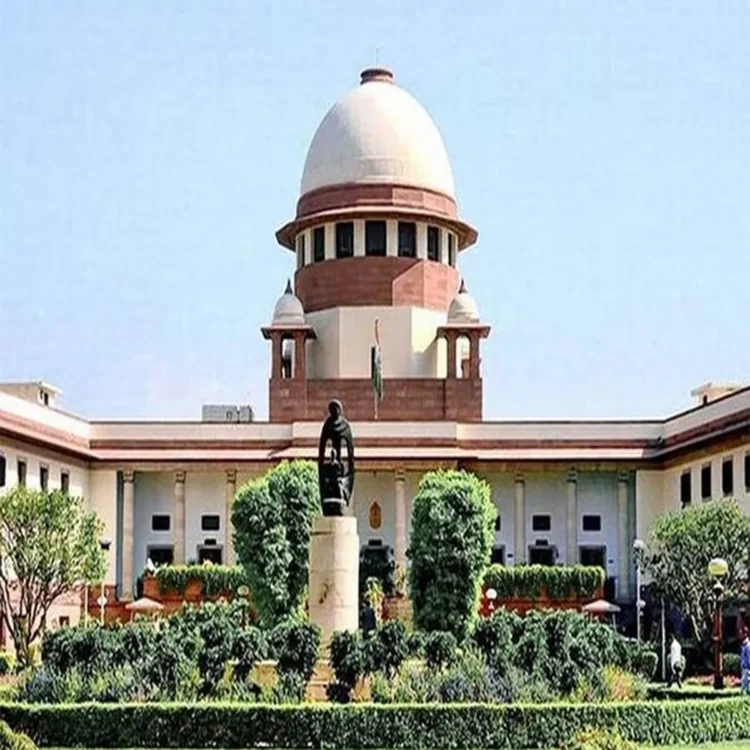
In its recent ruling, the Supreme Court instructed the West Bengal government to clear DA arrears accumulated between 2008 and 2019. The court set March 31 as the deadline for releasing the first installment, though the exact amount for that tranche has not yet been specified.
The bench rejected the state’s contention that implementing the order would severely strain its financial stability. At the same time, the court provided partial relief to the government by ruling that state employees cannot demand parity in DA rates with central government employees.
Additionally, the court clarified that government staff do not possess an automatic right to receive DA revisions twice annually. The frequency and structure of such payments, it observed, fall within the policy discretion of the state.
Broader Implications for State Finances and Workforce
The ruling has significant implications for both the state exchequer and thousands of government employees awaiting long-pending dues. Employee unions have long argued that the gap between state and central DA rates has widened over the years, affecting household incomes amid rising living costs.
With the March deadline approaching, attention will now turn to how the West Bengal government plans to implement the court’s directive while managing fiscal constraints. The coming weeks are likely to determine whether the issue remains confined to legal compliance or continues to fuel political confrontation in the state.