
CourtVerdict – Supreme Court Upholds Pay Hike for High Court Researchers
CourtVerdict – The Supreme Court on Monday declined to interfere with a Delhi High Court directive that granted retrospective salary enhancement to law researchers serving the High Court, effectively dismissing the Delhi government’s appeal against the order.
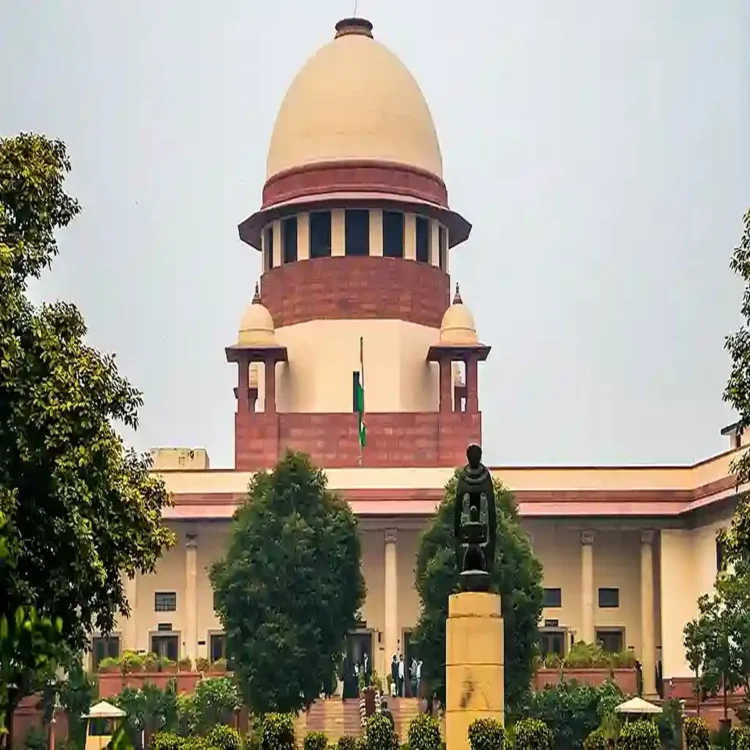
The matter was considered by a three-judge Bench led by Chief Justice Surya Kant, along with Justices Joymalya Bagchi and Vipul M Pancholi. After hearing submissions from the Delhi government, the Bench stated that it found no grounds to entertain the appeal. “There is no merit in the appeal,” the court observed, choosing not to issue any further directions.
Supreme Court Questions Delay in Implementation
During the proceedings, the Bench raised concerns about the impact of administrative delays on young professionals working within the judicial system. The judges remarked that law researchers should not face financial hardship due to procedural hold-ups on the part of the government.
The Delhi government had challenged the High Court’s direction, arguing that any order involving salaries and allowances required approval from the Lieutenant Governor under Article 229(2) of the Constitution. According to the government, the High Court’s decision to grant enhanced remuneration with retrospective effect did not properly account for this constitutional requirement.
Government Flags Financial Implications
In its submissions before the apex court, the Delhi government maintained that implementing the pay revision from an earlier date would impose an unforeseen financial burden. Officials estimated that the retrospective payout would create an additional liability of approximately Rs 9.45 crore for the state exchequer.
The government further contended that allowing the effective date of salary enhancement to be determined solely by the Chief Justice could undermine the constitutional framework that mandates approval for financial decisions related to High Court staff. It also referred to earlier Supreme Court rulings, arguing that fiscal planning and budgetary constraints are legitimate considerations when determining whether service benefits should apply prospectively rather than retrospectively.
High Court’s Earlier Order on Salary Revision
The dispute stems from a decision by the Delhi High Court to increase the monthly remuneration of its law researchers from Rs 65,000 to Rs 80,000. The revised amount was made effective from October 1, 2022. In October last year, the High Court directed that the enhanced salary be paid with retrospective effect from that date.
The order was delivered by a division bench comprising Justice Prathiba M Singh and Justice Rajneesh Kumar Gupta. The bench disposed of a plea seeking revision of the monthly remuneration, noting the responsibilities and workload handled by law researchers who assist judges in legal research and drafting.
Law researchers play a significant role in supporting the functioning of the High Court by examining case law, preparing briefs, and assisting with judicial work. The enhancement in remuneration was viewed as recognition of their professional contribution.
Apex Court Declines to Interfere
With the Supreme Court declining to set aside the High Court’s order, the direction for retrospective payment now stands. The top court’s refusal to entertain the appeal effectively brings the legal challenge to a close.
The ruling underscores the judiciary’s position that administrative or financial considerations should not unduly affect the remuneration of court-appointed legal professionals, particularly when a competent High Court has already passed a considered order on the matter.
The decision is expected to provide clarity on the status of law researchers’ pay and settle the dispute between the Delhi government and the High Court administration.