
CorruptionCase – Court Clears Kejriwal in Delhi Excise Policy Matter
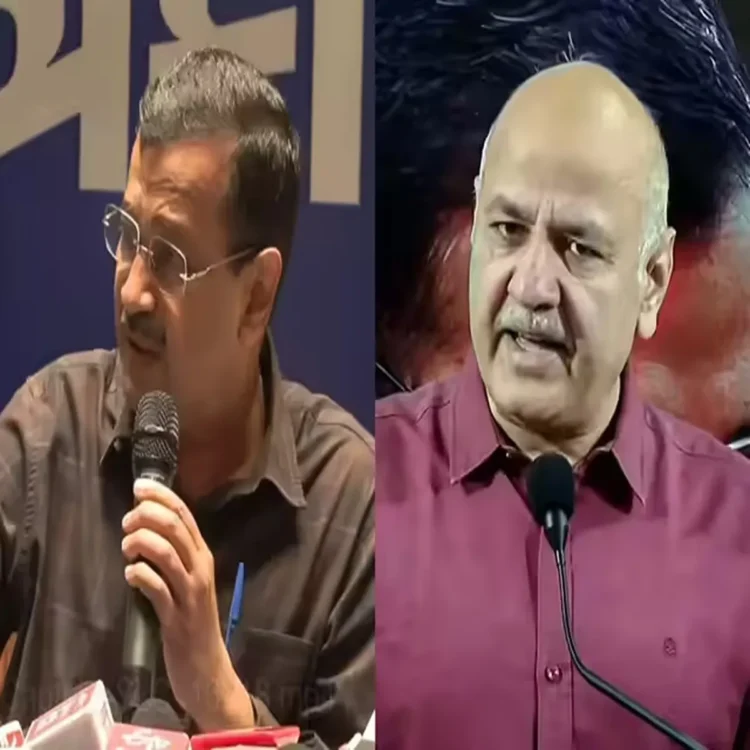
CorruptionCase – An emotional day unfolded in the national capital on Friday as a Delhi court discharged former chief minister Arvind Kejriwal in the high-profile excise policy case, bringing temporary closure to a prolonged political and legal battle.
Court Declines to Take Cognisance of Chargesheet
The decision came after the court refused to take cognisance of the Central Bureau of Investigation’s chargesheet in connection with alleged irregularities in the now-scrapped Delhi excise policy. Special Judge Jitendra Singh observed that the chargesheet contained gaps and lacked adequate evidentiary support. Alongside Kejriwal, former deputy chief minister Manish Sisodia and 21 other accused were also discharged.
The ruling marks a significant development in a case that has shaped political discourse in Delhi and beyond for more than a year.
Emotional Reaction Outside Court
Shortly after the verdict was announced, Kejriwal addressed reporters, visibly moved. He described the case as the “biggest political conspiracy” in the history of independent India. According to him, the allegations were designed to undermine both him and the Aam Aadmi Party.
He reiterated that the court’s decision vindicated his long-standing claim of innocence. “The truth has prevailed,” he told media persons gathered outside the courtroom.
His wife, Sunita Kejriwal, also spoke to reporters, expressing gratitude to the judiciary. She said her husband had always lived an honest life dedicated to public service and thanked the judge for what she termed a courageous decision.
Political Allegations and Counterclaims
Kejriwal alleged that the case was politically motivated and aimed at weakening the Aam Aadmi Party. He claimed that the charges were fabricated as part of a broader attempt to sideline his party from national politics. He also named senior leaders at the Centre in his criticism.
The Bharatiya Janata Party has consistently rejected such allegations, maintaining that investigative agencies acted independently and within the framework of the law. The case has been one of the most contentious political issues in recent years, drawing sharp reactions from multiple quarters.
Arrest, Resignation and Bail
The excise policy investigation led to dramatic developments in 2024. Kejriwal was arrested on March 21, becoming the first sitting chief minister of Delhi to be taken into custody. His arrest followed months of questioning and legal proceedings related to alleged corruption in the formulation and implementation of the liquor policy.
During his time in custody, Kejriwal resigned as chief minister, stating that he would return to office only after being cleared of wrongdoing. He was granted bail by the Supreme Court on September 13, 2024.
Manish Sisodia, who had served as deputy chief minister, was also arrested earlier in the probe. He spent approximately 17 months in jail before securing bail.
Scope of the Investigation
The Central Bureau of Investigation has been examining alleged irregularities in the now-withdrawn excise policy introduced by the Aam Aadmi Party government in Delhi. The policy had aimed to overhaul the liquor retail system in the capital but was later scrapped amid allegations of financial misconduct and procedural violations.
Among those discharged in the case was K Kavitha, a leader of the Bharat Rashtra Samithi and daughter of former Telangana chief minister K Chandrasekhar Rao.
With the court declining to proceed on the chargesheet, the immediate legal proceedings against the accused in this matter have come to a halt. However, given the political sensitivity of the issue, further legal steps or appeals cannot be ruled out.
The verdict is likely to influence political narratives in the months ahead, especially as parties prepare for upcoming electoral contests. For now, the court’s order provides relief to Kejriwal and his colleagues, even as the broader debate over governance, accountability and investigative processes continues.