
ClimateChange – Kashmir Records Warmest February in Years
ClimateChange – Kashmir is witnessing an unusually warm winter this year, with temperatures soaring far beyond seasonal averages and raising fresh concerns about the region’s changing climate. Meteorologists say February has turned out to be the warmest in nearly a decade, with daytime temperatures consistently measuring between 8 and 10 degrees Celsius above normal.
Record Temperatures Across the Valley
On Friday, Srinagar registered a daytime temperature of 20.2 degrees Celsius, marking a significant departure from the seasonal norm. According to Dr. Mukhtar Ahmad, Director of the Meteorological Department in Kashmir, the reading was 9.2 degrees above the usual average for this time of year. He noted that this is the highest February maximum recorded in the past ten years.
The previous comparable high was observed on February 24, 2016, when the city touched 20.6 degrees Celsius. This year’s figures have once again placed February temperatures near record-breaking levels, reflecting a noticeable warming trend.
The unusual warmth is not limited to the summer capital. Gulmarg, a prominent ski destination in north Kashmir, reported a maximum temperature of 11.6 degrees Celsius, which was 9.6 degrees above normal. Historical data shows that on February 11, 1993, Gulmarg had recorded 11.4 degrees Celsius, underscoring how rare such readings are during peak winter.
Forecast Points to Further Rise
Weather experts caution that the current heat spell may continue through the remainder of the month. Forecast models indicate that daytime temperatures could climb by another two degrees Celsius before February ends, particularly if the prevailing dry conditions persist.
Independent weather forecaster Faizan Arif said that the recent temperature spikes may not represent the peak of the trend. According to him, more records could be challenged in the coming days as clear skies and uninterrupted sunshine dominate the region.
Officials at the Meteorological Department echoed similar expectations. They explained that a prolonged dry spell is contributing to higher daytime temperatures, and without significant precipitation, the warming pattern is likely to intensify.
Changing Winter Patterns in Kashmir
Experts attribute the shrinking intensity of winter to broader climatic shifts. Dr. Mukhtar Ahmad pointed out that climate change and global warming have begun to alter the traditional winter cycle in Kashmir. Historically, the region experienced extended cold spells accompanied by heavy snowfall and consistent precipitation.
Now, however, winter appears shorter and less severe. The harshest phase of winter, locally known as Chillai Kalan, typically lasts 40 days. Meteorologists observe that colder conditions are increasingly confined to this limited period, with milder weather setting in sooner than expected.
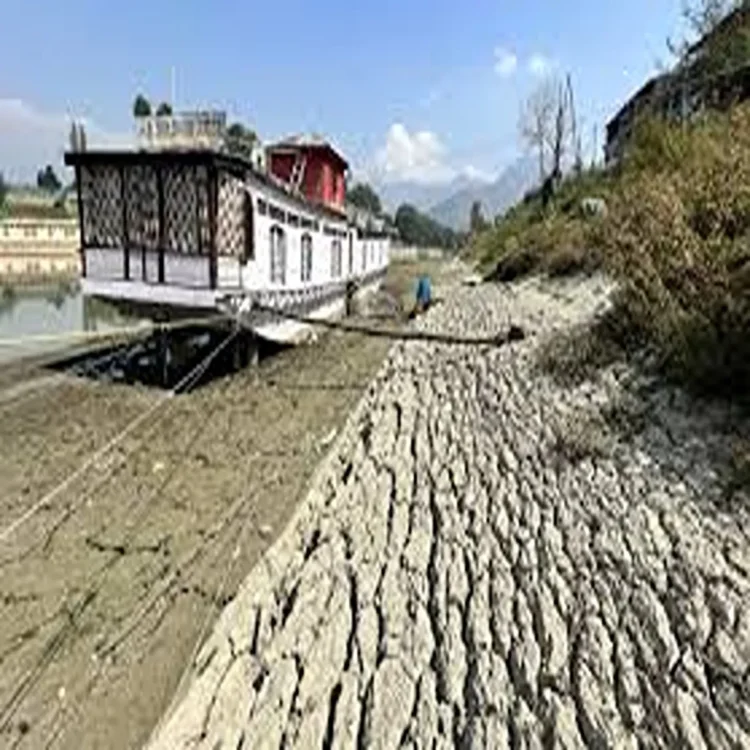
Beyond rising temperatures, changes in precipitation patterns are also becoming evident. Reduced snowfall and fewer intense cold waves are affecting water reserves, agriculture, and winter tourism, particularly in destinations that depend heavily on snow cover.
Broader Climate Concerns
Environmental observers warn that warmer winters could have long-term implications for the fragile Himalayan ecosystem. A sustained rise in temperatures may influence glacier stability, river flow patterns, and biodiversity in the region.
While a few sunny days may offer temporary relief from harsh winter conditions, experts stress that the broader climate trend demands attention. Rising temperatures during what should be the coldest months of the year reflect deeper environmental shifts that extend beyond seasonal fluctuations.
As February progresses, residents across the Valley continue to experience bright sunshine and comfortable afternoons—an unusual sight for a region traditionally known for its severe winter chill. Meteorologists will closely monitor the coming weeks to determine whether this year’s February sets new benchmarks in the region’s climate records.