
BJP : Defends Padma Award Selections Amid Opposition Criticism
BJP: A political debate has surfaced following objections raised by the Congress party over this year’s Padma award selections, prompting a firm response from the Bharatiya Janata Party. BJP leader Gourav Vallabh on Tuesday rejected the criticism, arguing that the current process focuses on recognising genuine public contribution rather than political loyalty.
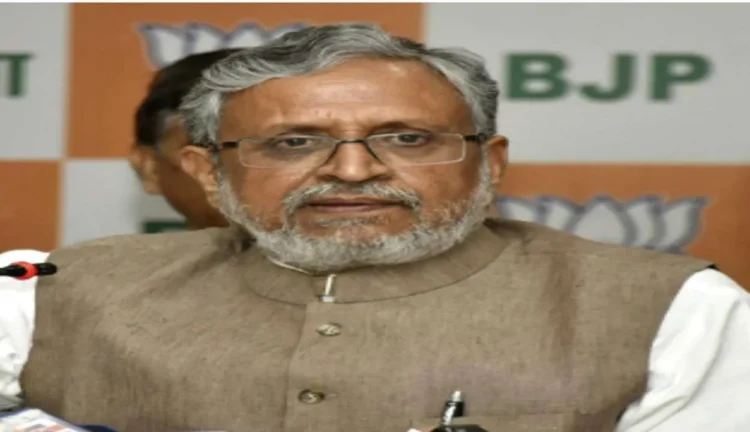
BJP Response to Opposition Objections
Addressing the controversy, Vallabh said the present government has taken deliberate steps to ensure that national honours are granted to individuals who have served society in meaningful ways. Speaking to a news agency, he maintained that the selection process cuts across political lines and personal affiliations. According to him, recognising achievement in fields such as public service, education, culture, and sports should not become a partisan issue.
He stressed that honouring individuals for their work should rise above ideological disagreements. Vallabh questioned why the Congress was objecting to awards given to people who, in his view, have contributed positively to the country in different capacities.
Allegations of Past Politicisation
Taking aim at the Congress, Vallabh alleged that during the United Progressive Alliance era, national honours were often influenced by political considerations. He claimed that individuals perceived to be close to the leadership or supportive of the government at the time were favoured for prestigious awards.
According to Vallabh, the current approach differs significantly, as decisions are made without regard to whether recipients publicly praise or criticise those in power. He argued that this shift reflects a broader attempt to restore credibility to civilian honours.
Questions Over Select Awardees
The immediate trigger for the dispute was the Congress party’s criticism of the decision to confer a Padma Bhushan on former Maharashtra Governor Bhagat Singh Koshyari. Opposition leaders have argued that his tenure was controversial and did not merit such recognition.
Vallabh dismissed these objections, asking whether the Congress was opposed to honouring public figures from varied backgrounds, including former Kerala Chief Minister V.S. Achuthanandan, cricketer Rohit Sharma, and Jharkhand leader Shibu Soren. He insisted that the awards were based on merit rather than political alignment.
Maharashtra Political Backdrop
The issue has gained particular traction in Maharashtra, where Koshyari’s term as governor between 2019 and 2023 coincided with frequent confrontations with the then Maha Vikas Aghadi government led by Uddhav Thackeray. Those tensions have continued to shape reactions to his Padma Bhushan.
Maharashtra Congress president Harshwardhan Sapkal accused Koshyari of undermining the dignity of his constitutional office and said his actions had offended public sentiment in the state. Sapkal also revealed that he had personally declined an award from a Pune-based social organisation because it was to be presented by Koshyari.
Debate Over IIT Madras Director’s Selection
Another focal point of the controversy is the selection of V. Kamakoti, the Director of the Indian Institute of Technology Madras, for a Padma award. While the official citation credits him for his contributions to education, the Congress has questioned the decision by citing remarks he made at a public event last year.
At that event, Kamakoti spoke about traditional knowledge systems and organic farming, during which he referred to the alleged medicinal properties of cow urine. Those comments had previously drawn criticism from opposition leaders and rationalist groups, who argued that such statements conflicted with scientific standards expected from the head of a premier technical institution.
Continuing Political Divide
The BJP has maintained that Kamakoti’s recognition is strictly tied to his academic and administrative achievements, not his personal views. However, the Congress argues that public statements by individuals holding influential positions should be weighed when considering national honours.
As the debate continues, the Padma awards have once again become a flashpoint in the broader political contest between the ruling party and the opposition, reflecting deeper disagreements over governance, merit, and public accountability.