
BirdCensus – Tamil Nadu Launches Statewide Two-Day Bird Survey
BirdCensus – The Tamil Nadu Forest Department is set to undertake a coordinated two-day survey of terrestrial bird species across the state beginning Saturday. The synchronised exercise will span every forest division, marking a significant step in updating current data on bird populations at the onset of the migratory season.
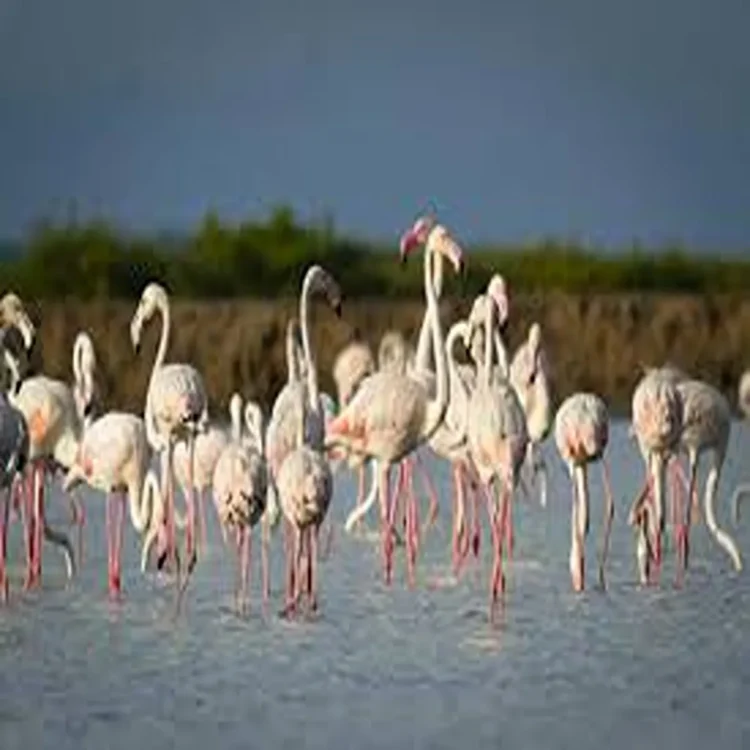
Officials describe the effort as part of a broader push to strengthen scientific wildlife monitoring and improve long-term conservation planning across Tamil Nadu.
Standardised Scientific Approach
According to Principal Chief Conservator of Forests and Chief Wildlife Warden Rakesh Kumar Dogra, the census will follow a uniform methodology to maintain consistency and accuracy in data collection. Each forest division has been instructed to identify at least 25 survey locations.
Observers will follow the line transect method, walking along two-kilometre stretches to systematically record species found in forests, scrublands, and other terrestrial habitats. By adopting a common protocol statewide, authorities aim to generate comparable and reliable baseline information.
Combining Visual and Acoustic Techniques
To ensure comprehensive coverage, survey teams will rely on both direct sightings and acoustic monitoring. While direct observation enables the identification of birds that are visible in open or semi-open areas, acoustic surveys are particularly valuable in dense forests where visibility is often limited.
Experts note that many species are more easily detected by their calls than by sight. By recording and identifying bird vocalisations, observers can document species that might otherwise go unnoticed, improving the overall accuracy of the count.
Wide Participation Across Communities
The large-scale operation will involve trained Forest Department personnel, experienced birdwatchers, wildlife photographers, representatives from non-governmental organisations, and registered volunteers. Officials have also invited interested school and college students to participate, provided they register in advance with their respective forest division offices.
Authorities believe that involving local communities and young volunteers will not only strengthen the survey but also foster greater awareness about biodiversity conservation.
Tamil Nadu’s Rich Avian Diversity
Tamil Nadu is widely regarded as one of India’s important biodiversity regions, supporting a wide range of resident and migratory bird species. From dry deciduous forests to coastal ecosystems, the state offers varied habitats that sustain hundreds of avian species throughout the year.
Environmental experts emphasise that birds serve as key indicators of ecological health. Changes in bird populations can reflect broader environmental shifts, including habitat loss, climate variation, and human disturbance. Regular monitoring therefore plays a crucial role in shaping conservation policies.
Institutional Support for Conservation
Over the years, the state has established several dedicated institutions to strengthen bird research and habitat protection. These include the Hornbill Conservation Centre, the Raptor Research Foundation at the Advanced Institute for Wildlife Conservation, and the International Bird Conservation Centre at Marakkanam.
These centres focus on scientific research, species recovery programmes, habitat management, rescue and rehabilitation of injured birds, and long-term ecological studies. Officials say data generated through statewide surveys directly support the work of such institutions.
Insights from the Previous Survey
The last state-level terrestrial bird survey was conducted on March 15 and 16, 2025. During that exercise, teams covered 1,093 locations across all 38 districts of Tamil Nadu. The survey documented 401 species, including both resident and migratory birds, and estimated the terrestrial bird population at approximately 2.3 lakh.
Forest officials said the upcoming synchronised survey is expected to build upon that dataset, offering updated insights at a time when migratory patterns begin to shift.
Long-Term Conservation Goals
Authorities underline that the primary objective of the exercise is not merely to count birds but to create a dependable scientific database. Such information will help guide habitat management strategies, inform conservation planning, and support evidence-based policy decisions.
By conducting periodic, standardised surveys, the Forest Department aims to track population trends over time and respond swiftly to emerging environmental challenges. Officials maintain that sustained monitoring is essential to safeguarding Tamil Nadu’s diverse birdlife for future generations.