
Bengal SIR: A draft voter list with 58 lakh excludable names will be released today
Bengal SIR: More than 58.08 lakh names have already been determined to be excludable for a variety of reasons as the first phase of West Bengal’s three-level Special Intensive Revision comes to a close on Tuesday.
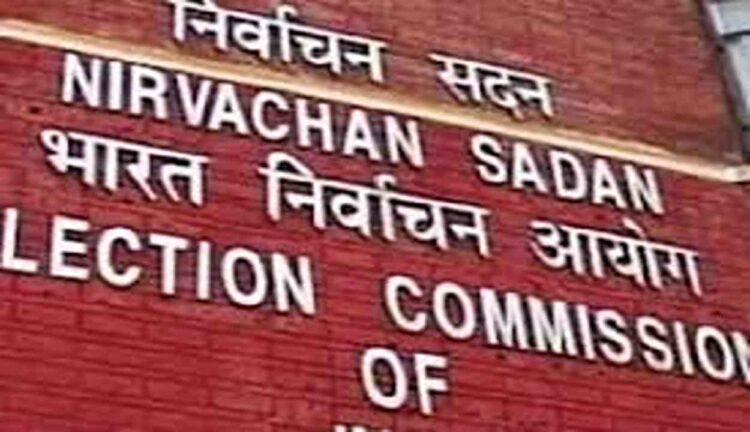
The draft voter lists for West Bengal, the two other states of Goa and Rajasthan, and the two union territories of Puducherry and Lakshadweep will also be released throughout the day.
There are 24.18 lakh dead voters out of the 58.08 lakh prospective excludable voters in West Bengal, followed by over 20 lakh relocated voters, or voters who have permanently moved.
There are around 12 lakh voters who cannot be located. 1.37 lakh votes are considered excludable for various reasons, and there are duplicate voters with names appearing twice.
Furthermore, about 1.60 crore voters have been recognized by the Election Commission of India (ECI) as having “weird” family-tree data based on “progeny mapping.”
Voters who have applied for retention names in the voters’ list by “progeny mapping” rather than “self-mapping” despite reaching the age of 45 or older fall into the first group of such voters with “weird family tree data”.
The SIR was last carried out in West Bengal in 2002. Given that 18 is the minimum voting age, anybody 45 years of age or older would have been eligible to vote in 2002. It is unclear why these voters, who are 45 years of age or older, did not register to vote in 2002. As a result, they were forced to rely on “progeny mapping” rather than “self mapping” in the current SIR in order to keep their names on the voter list.
Voters whose names appear on both the 2002 voter list and the current voter list as of October 27, 2025, are considered self-mapping voters.
Progeny-mapping voters, on the other hand, are individuals whose names appear on the 2002 voter list instead of their own.
Those whose dads were just 15 years old or younger when they became the fathers of the voters in question fall into the second group of voters with strange family tree data. ECI has already used progeny mapping to identify one situation in which a voter became the father of two kids at the age of five.
Voters whose moms and dads have the same name fall into the third group. The fourth group of voters are individuals whose grandfathers were just 40 years old or younger when they became grandfathers; the estimated number of people in this group is around 3.50 lakh.
Following the release of the draft voters’ list, all such instances will be submitted for a hearing on claims and objections in the second stage of the revision process, when explanations about any uncertainties regarding their voter data will be sought.
According to the ECI, it would be incorrect to assume that all voters who meet the requirements to be included in the draft voters’ list would not be called to the hearing.
The draft voter lists for these three states and two Union Territories will be released on Tuesday, marking the conclusion of the first phase of the three-part SIR, which started on November 4.
Following that, the second stage of the SIR will begin with the filing of claims and objections. The Electoral Registration Officers (EROs) will concurrently handle the notice phase, which includes the issuance, hearing, verification, and decision on enumeration forms as well as the disposal of claims and objections.
February 14, 2026, will see the release of the final voter list.
The dates for the Assembly elections in West Bengal are set for next year, and the ECI will make the announcement after the release of the final voters’ list.