
BeggingRehabilitation – Government Reports Progress of SMILE Scheme in Parliament
BeggingRehabilitation – The Union government informed Parliament that thousands of individuals engaged in begging have been identified and assisted under a national rehabilitation initiative launched in 2023.
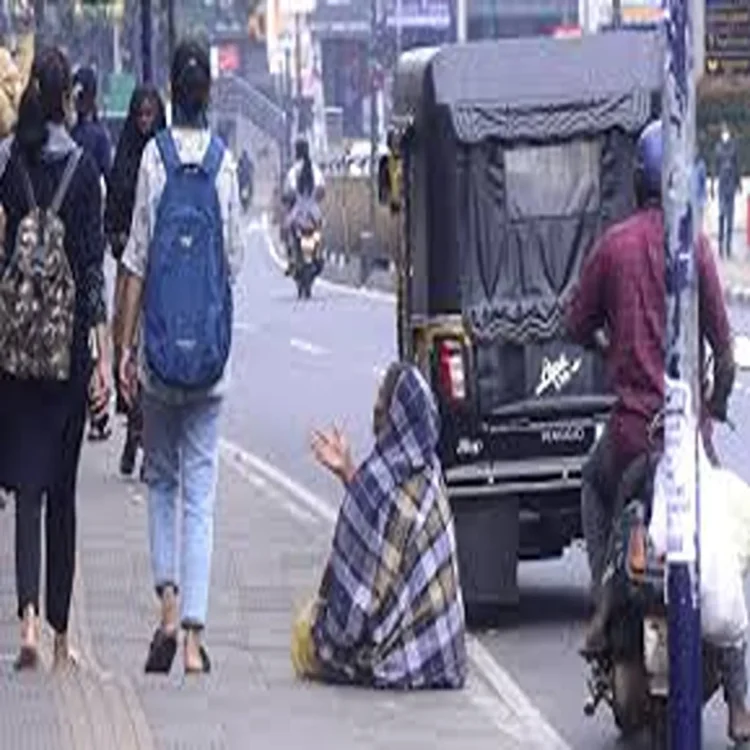
The Ministry of Social Justice and Empowerment stated in the Lok Sabha earlier this week that 9,855 people who were previously engaged in begging have been rescued and provided rehabilitation support since the launch of the Support for Marginalized Individuals for Livelihood and Enterprise (SMILE) scheme in October 2023. The information was shared on March 10 in response to a question raised by Member of Parliament Raja Ram Singh.
Survey Identifies Over Thirty Thousand Individuals
According to the ministry’s reply, surveys conducted across various parts of the country under the SMILE programme identified 31,055 individuals who were engaged in begging. Out of this group, 9,855 people have so far received rehabilitation assistance.
The government data also shows that the rehabilitated group includes 2,480 children. Officials said the surveys were carried out through coordinated efforts involving local administrations and municipal bodies.
While the number of individuals assisted marks a step in the government’s rehabilitation efforts, the data also indicates that a significant proportion of those identified have not yet been covered under the rehabilitation process.
Rehabilitation Programme Under the SMILE Initiative
The SMILE scheme includes a dedicated component focused on the rehabilitation of individuals involved in begging. The programme aims to provide opportunities for sustainable livelihoods and social support.
Implementation of the scheme involves collaboration between district administrations, urban local bodies, municipal corporations and non-governmental organisations. Through this network, beneficiaries are provided skill development opportunities and livelihood training.
Training programmes under the scheme cover several vocational areas. These include tailoring, carpentry, cooking, gardening, sanitation work, private security services and driving e-rickshaws. The goal is to help individuals develop employable skills and transition to stable income sources.
Financial Inclusion and Support Networks
Apart from skill training, the scheme also encourages beneficiaries to join self-help groups. Officials say this approach is designed to build community support systems and promote financial independence.
Participants are also connected with banks and other government welfare initiatives so that they can access financial services, credit support and social protection programmes.
The ministry said these measures are intended to create long-term alternatives to begging by linking beneficiaries with employment and income-generating opportunities.
Scale of the Issue Compared With Census Data
The government’s latest figures also provide perspective when compared with earlier national data. According to the 2011 Census, India had 4,13,670 individuals recorded as beggars, including 2,21,673 men and 1,91,997 women.
The 31,055 individuals identified under the SMILE surveys represent less than eight percent of the total number recorded in the last census. This indicates that while the scheme has begun addressing the issue, the number of people identified so far is still a relatively small proportion of the earlier national estimate.
Officials noted that the surveys conducted under the scheme are ongoing and may expand to additional locations in the future.
Government Lacks Data on Long-Term Outcomes
During the parliamentary exchange, the ministry also acknowledged that it does not currently have data on the long-term employment status of those who have been rehabilitated.
In response to the question about whether beneficiaries remain employed after rehabilitation, the ministry said it does not maintain information on whether the individuals continue to work in the occupations they were trained for.
This gap in follow-up data means that the government cannot yet confirm how many beneficiaries have successfully transitioned into sustained employment after receiving assistance through the programme.