
Artificial Intelligence – Global Leaders Convene for India AI Summit
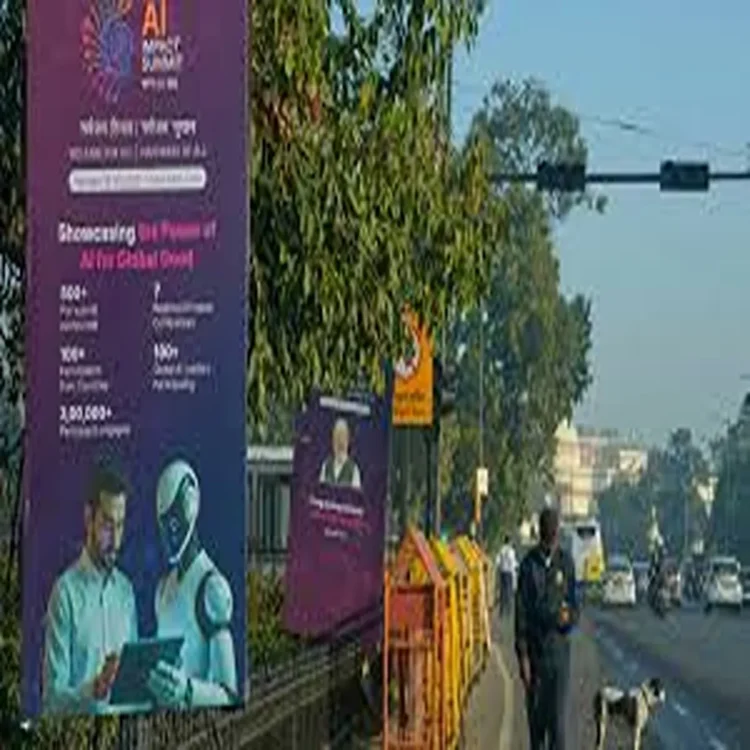
Artificial Intelligence – Prime Minister Narendra Modi on Monday formally opened the India AI Impact Summit in New Delhi, marking the start of what officials describe as the country’s largest gathering of artificial intelligence experts and policymakers. The five-day event, running from February 16 to 20, has drawn heads of state, senior ministers, technology executives, researchers and representatives from multilateral institutions to deliberate on how artificial intelligence can support inclusive growth and sustainable development.
Leaders Highlight AI’s Expanding Global Role
Speaking at the inauguration of the India AI Impact Expo 2026 at Bharat Mandapam, the Prime Minister said the summit reflects India’s growing influence in the global technology ecosystem. Addressing innovators, academics and entrepreneurs, he underlined the transformative capacity of AI and the importance of Indian talent in shaping future-ready solutions.
According to official statements, the summit theme, “Sarvajana Hitaya,” emphasizes the use of artificial intelligence for collective well-being. The government has positioned the event as a platform to promote human-centric innovation while ensuring that technology benefits society at large.
Among the international participants are prominent global technology figures, including OpenAI founder Sam Altman and Google Chief Executive Officer Sundar Pichai. More than 100 government delegations are attending, with over 20 heads of state and government and around 60 ministers and deputy ministers participating. Organisers also confirmed the presence of over 500 AI leaders from industry and academia, including CEOs, founders, chief technology officers and representatives from philanthropic organisations.
Focus on Copyright and Regulatory Frameworks
Union Minister for Electronics and Information Technology Ashwini Vaishnaw said India is actively engaging with technology companies and stakeholders to shape appropriate regulatory and technical safeguards around AI development. One of the key concerns under discussion is the protection of intellectual property rights and ensuring that artificial intelligence tools do not misuse copyrighted content.
In a conversation with US media executive Charles Rivkin, the minister indicated that India is advocating for broader international cooperation on copyright norms related to AI-generated outputs. He noted that rapid innovation in generative AI systems has raised complex legal and ethical questions that require coordinated global responses.
Policy discussions at the summit are also addressing data governance, transparency standards and accountability mechanisms in artificial intelligence deployment. Officials said these conversations are aimed at building trust while fostering innovation.
Balancing Technology and Employment
V Anantha Nageswaran, Chief Economic Advisor to the Government of India, highlighted the need to align technological advancement with employment generation. He cautioned that widespread AI adoption must be accompanied by deliberate strategies to ensure workforce participation and skill development.
According to Nageswaran, integrating AI into economic systems cannot be left to market forces alone. Instead, sustained policy support and targeted investments in education and reskilling will be essential to maximise benefits while minimising disruption.
Experts participating in panel discussions echoed similar views, noting that artificial intelligence could enhance productivity across sectors such as healthcare, agriculture, manufacturing and public administration, provided that inclusive frameworks are in place.
Opening Day Marred by Logistical Challenges
Despite the high-profile turnout, the first day of the summit was marked by operational difficulties at the venue. Long queues formed outside entry gates, and heavy traffic congestion around Bharat Mandapam caused delays for attendees, exhibitors and speakers.
Several participants reported waiting for extended periods before gaining access to the venue. Social media posts from attendees pointed to confusion regarding entry procedures, limited signage and insufficient guidance at various checkpoints.
Food courts across the premises witnessed heavy crowding throughout the day. Some visitors also flagged the absence of UPI payment options at certain counters and intermittent mobile network connectivity issues. Additional security measures for visiting dignitaries led to restricted access in some sections of the venue from mid-afternoon onwards, further complicating movement inside the complex.
Organisers have not yet issued a detailed response to the complaints but are expected to review arrangements as the summit continues through the week.