
A Family’s Long Wait: Supreme Court Weighs Decision on Passive Euthanasia After 12-Year Coma
A Family’s Long Wait: The question of dignity, compassion, and medical ethics once again came before the Indian judiciary as the Supreme Court of India reserved its verdict on a deeply emotional plea seeking permission for passive euthanasia. The petition was filed by a grieving father on behalf of his 32-year-old son, who has remained in a comatose state for more than twelve years with no medical hope of recovery.
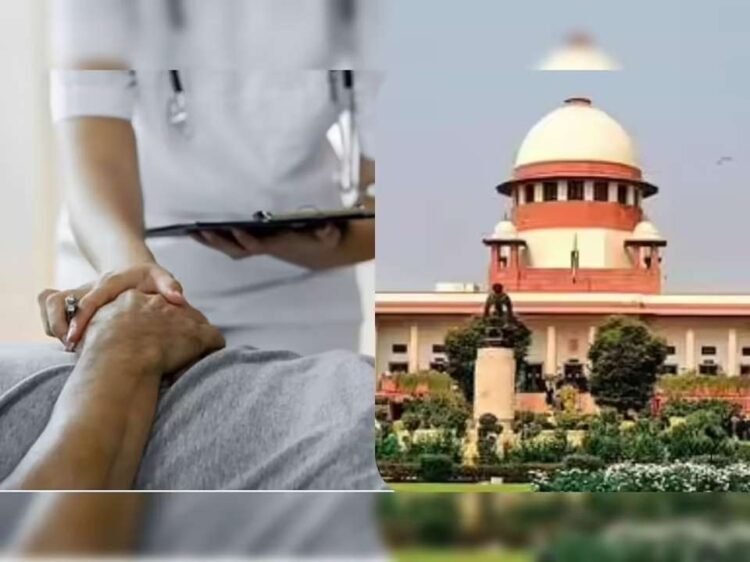
Background of the Case and the Medical Condition
The case revolves around Harish Rana, a young man whose life changed dramatically after a tragic accident in 2013. Rana suffered severe head injuries after falling from the fourth floor of a residential building. Since then, he has remained unconscious and dependent on artificial life support systems for survival. Over the years, his condition has shown no signs of improvement, leaving the family in prolonged emotional and psychological distress.
According to medical assessments placed before the court, Rana’s brain injuries are irreversible. Two independent medical boards, constituted under the supervision of the court, carefully examined his condition. Both panels unanimously concluded that there is no possibility of neurological recovery, improvement in consciousness, or return to a life with awareness. This medical opinion has become a crucial factor in the court’s consideration of the plea.
Understanding Passive Euthanasia and Legal Context
Passive euthanasia refers to the withdrawal or withholding of life-sustaining treatment when recovery is medically impossible, allowing the patient to die naturally. In India, passive euthanasia is legally permissible under strict guidelines laid down by the Supreme Court in earlier landmark judgments. These guidelines aim to balance the right to life with the right to die with dignity, while also preventing misuse or hasty decisions.
In this case, the plea does not seek any active intervention to end life. Instead, it requests permission to withdraw artificial life support that is merely prolonging biological existence without consciousness or awareness. The father argued that continuing such treatment only extends suffering, not just for the patient but also for the family that has cared for him tirelessly for over a decade.
Court’s Observations and Emphasis on Family Consent
During the hearing, the bench placed strong emphasis on the role of the family in making such a sensitive decision. The judges underlined that consent for passive euthanasia must come from a place of clarity, consistency, and emotional stability. The court noted that decisions of this nature should never be impulsive or driven by temporary distress.
On January 13, the judges took the unusual but significant step of meeting Rana’s parents and his younger brother in person. This interaction allowed the court to directly assess the family’s emotional state and their understanding of the consequences of withdrawing life support. The family reportedly expressed a unified and firm view that they did not want Harish to continue in a state of prolonged suffering without any hope of recovery.
Role of Medical Boards in Ethical Decision-Making
Medical boards play a central role in cases involving passive euthanasia. Their responsibility is to provide an objective, science-based assessment free from emotional influence. In this matter, the boards examined medical records spanning several years, evaluated current neurological status, and considered international medical standards related to coma and persistent vegetative states.
The conclusion that recovery is impossible has significant ethical implications. When medical science confirms that treatment serves no therapeutic purpose, the focus often shifts from prolonging life at all costs to ensuring dignity and humane care. The court has repeatedly emphasized that life support should not become a tool for prolonging suffering when there is no chance of regaining consciousness.
Broader Implications for End-of-Life Rights in India
This case is likely to have wider implications for end-of-life decision-making in India. It highlights the growing awareness around patient autonomy, family rights, and ethical medical practice. As medical technology advances, families are increasingly faced with difficult choices about life support, especially in cases involving long-term coma or terminal illness.
The court’s reserved verdict is awaited not only by the Rana family but also by legal experts, doctors, and patient rights advocates across the country. A clear and compassionate judgment could further strengthen existing guidelines and provide clarity to families facing similar circumstances.
Awaiting the Final Verdict
With the verdict reserved, the family continues its long wait, hoping for closure after more than twelve years of emotional pain. The decision will ultimately reflect how the law balances constitutional values, medical ethics, and human compassion. Whatever the outcome, the case stands as a reminder of the complex moral questions surrounding life, death, and dignity in modern healthcare.