
Makar Sankranti 2026: Why is Kinkrant seen as an unlucky day on Understand the Mythological Causes
Makar Sankranti 2026: is observed on January 14th, and the next day is known as Kinkrant. The Hindu calendar states that the Sankranti festival is celebrated over three days: “Bhoghi” on the first day, “Sankrant” on the second, and “Kinkrant” on the third. Now, let’s define Kinkrant.
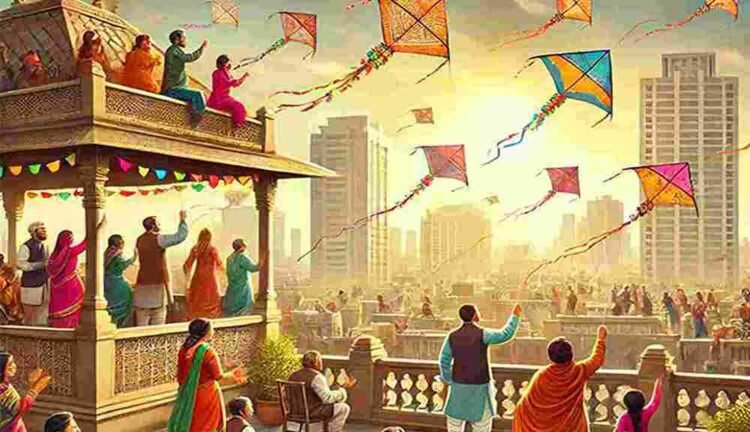
Mythology states that Goddess Sankranti slew a demon called “Sankrasur” on the day of Sankranti. Sankranti slew “Kinkar,” another very strong and vicious demon, the next day. ‘Kinkrant’ is the name given to this day to honor this triumph.
What makes the day of Kinkrant ‘inauspicious’?
According to societal perception, Kinkrant is an unlucky day for auspicious endeavors. This is due to a number of factors:
1. Day of War: Since this day was marked by violence and devastation, it is not recommended to begin any fresh, auspicious projects on this day.
2. Cautionary Period: The Sankranti period is a time of change. In the past, people avoided essential work or lengthy travels on this day because of the natural changes that occurred during this period.
3. Day of Rest: Housewives and others see this day as a day of relaxation after the commotion of Bhoghi and Sankranti.
How do I proceed on Kinkrant?
Worship of the Goddess: The Goddess should be devotedly worshiped as this day honors the triumph over a monster.
Haldi-Kumkum: In Kinkrant and many other places, married ladies often conduct Haldi-Kumkum rituals from Makar Sankranti to Rathasaptami. Giving food, clothing, or warm clothing to someone in need is seen as lucky during this chilly season.
Thus, this day is regarded favorable for prayers, rituals, and charitable deeds, with the exception of beginning new endeavors!