
Mahashivratri – Sacred Rituals and Fasting Timings for 2026 Observance
Mahashivratri – Mahashivratri, one of the most significant Hindu festivals dedicated to Lord Shiva, offers devotees an opportunity to seek divine blessings through prayer, fasting, and traditional rituals. For many unmarried women, the occasion carries special spiritual importance, as it is believed that sincere worship on this day can bring harmony in marriage and the hope of finding a suitable life partner.
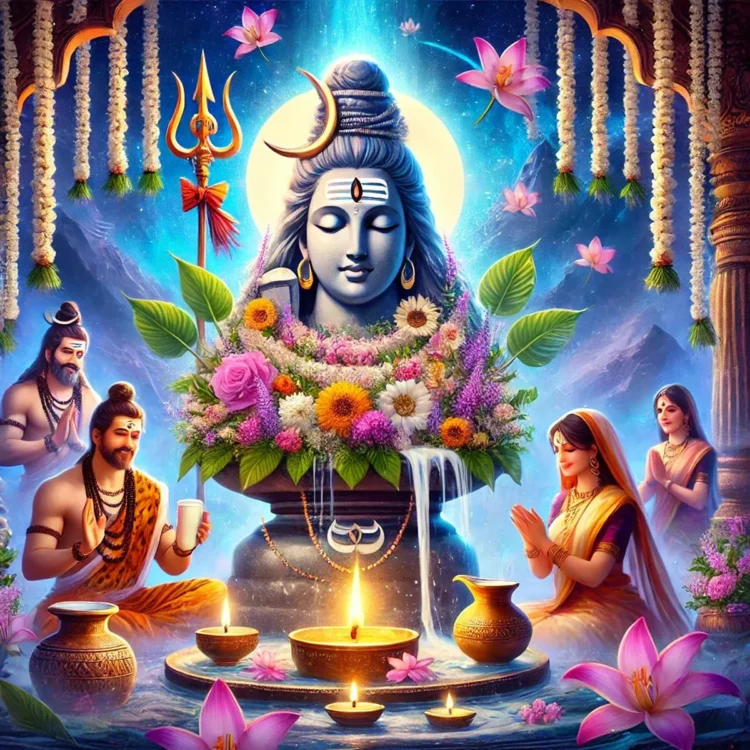
Spiritual Significance for Unmarried Women
The festival is associated with devotion, self-discipline, and faith. In many households, unmarried women observe fasts and perform special prayers dedicated to Lord Shiva, often revered as a compassionate and benevolent deity. Devotees believe that heartfelt worship on Mahashivratri strengthens their spiritual resolve and invites blessings for a stable and fulfilling married life.
According to religious traditions, performing rituals with dedication and maintaining purity of thought are considered essential aspects of the observance. The day is marked by temple visits, night-long prayers, and offerings made with reverence.
Traditional Puja Method on Mahashivratri
Unmarried women who plan to observe the fast are advised to begin their day early, ideally during the Brahma Muhurta, the pre-dawn period considered spiritually auspicious. After bathing, a vow to fast for the day is taken as a mark of devotion.
Wearing light or auspicious-colored clothing is preferred, while darker shades such as black or grey are generally avoided. Homes and prayer spaces are cleaned thoroughly, and many devotees sprinkle holy water to purify the area before beginning the rituals.
The worship typically centers around the Shivalinga. Devotees place it in a clean vessel and perform Jalabhishek by offering sacred items such as water, milk, yogurt, and honey. Afterward, sandalwood paste is applied, and offerings like bel leaves, flowers, and dhatura are presented. Incense sticks and oil lamps are lit to create a serene atmosphere for prayer.
Special offerings are also made to Goddess Parvati, symbolizing marital harmony. Traditional food items such as kheer, sugar candy, sweets, and seasonal fruits are offered during the puja. Devotees then recite sacred hymns, chant Shiva mantras, and conclude the ritual with aarti. The fast is observed throughout the day and night with devotion and restraint.
Mahashivratri 2026 Date and Tithi Details
According to the Hindu calendar, the Chaturdashi Tithi of the Krishna Paksha in the month of Phalguna will begin at 5:04 pm on February 15, 2026, and conclude at 5:24 pm on February 16, 2026. Based on these timings, Mahashivratri will be observed on February 15, 2026.
Devotees often plan their fasting and night-long worship in accordance with these specific tithi timings, as the observance of rituals during the prescribed period is considered highly auspicious.
Fast Breaking Timings and Guidelines
The ritual of breaking the fast, known as Paran, will take place on February 16, 2026. The recommended time window for concluding the fast is between 7:06 am and 3:46 pm.
Traditionally, devotees end their fast by consuming sattvik food, which excludes onion, garlic, and non-vegetarian items. Many prefer to begin with light meals or fruits before returning to their regular diet. Religious scholars advise that the fast should be concluded within the specified time to maintain the sanctity of the observance.
Mahashivratri remains a deeply spiritual occasion marked by faith, discipline, and devotion. For many, especially unmarried women seeking marital blessings, the festival is seen as a meaningful opportunity to express prayerful intent and reaffirm their spiritual connection with Lord Shiva.