
Jaggery: Actually Superior to Sugar? What You Need to Know
Jaggery: Many individuals are switching from sugar to jaggery as a result of rising health consciousness and the prevalence of illnesses like diabetes. Is jaggery actually safer than sugar, despite its rise in popularity as a “natural” substitute? There are differing views among experts on this. Dieticians and diabetologists say that while jaggery has certain advantages, too much of it may be just as harmful as sugar.
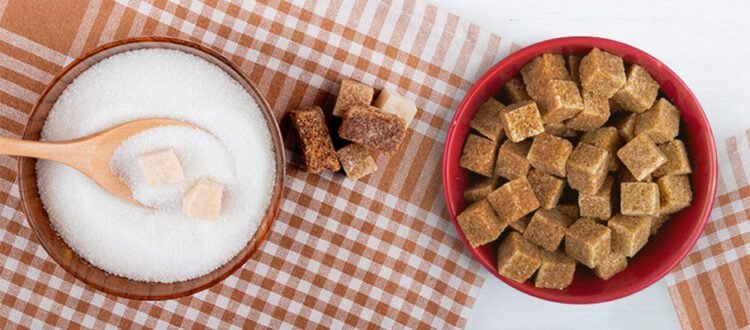
What distinguishes jaggery from sugar?
Jaggery is a less processed, mineral-rich sweetener, while sugar is fully processed sucrose.
Chemical composition: Both are mostly composed of sucrose, with trace amounts of calcium, potassium, and iron found in jaggery.
Effects on blood sugar: Both sugar and jaggery raise blood sugar levels quickly, however sugar has a higher GI than jaggery.
Advantages of consuming jaggery enhances digestion, offers warmth, contains certain minerals, and is said to relieve coughs and colds.
Is jaggery a sufficient source of iron?
Experts claim that jaggery contains very little iron and therefore using it as a treatment is incorrect.
Is eating jaggery just as harmful as eating sugar?
Indeed, jaggery has the same number of calories as sugar, and excessive use carries the same risk of weight gain, fatty liver, and elevated blood sugar.
Although jaggery has its uses, it is not a “healthy sugar.” It offers minerals, although in very little amounts. Patients with diabetes or those who are obese should abstain from both sugar and jaggery. Both have glycemic effects that are equally harmful. Although jaggery is not a sugar replacement, it is preferable to consume cold beverages only for immediate energy rather than a little amount of it mixed with water.