
Hindu New Year 2026: Date, importance, Chaitra Shukla Pratipada, and local festivities
Hindu New Year 2026: The Hindu calendar is distinct from the rest of the world, which celebrates the new year on January 1. The Sun and Moon’s movements influence its rhythm. Vikram Samvat 2083 starts in March of 2026, when the Hindu New Year, also called Hindu Nav Varsh, begins.
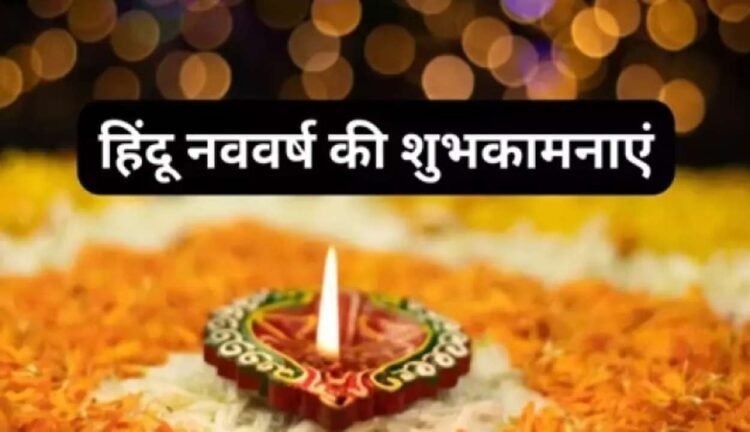
The day, which is celebrated in many places under many names and traditions, represents rebirth, new beginnings, and a restoration to spiritual and seasonal equilibrium.
Date of the Hindu New Year 2026
Hindu Nav Varsh will be observed on Thursday, March 19, 2026, to commemorate Chaitra Shukla Pratipada, the first day of the lunar fortnight’s brilliant phase in the month of Chaitra.In many parts of India, it is considered the beginning of the Hindu New Year according to the lunar calendar.
The significance of Chaitra Shukla Pratipada
In Hinduism, Chaitra Shukla Pratipada signifies the start of creation. This day is considered particularly auspicious to start new endeavors, rituals, and resolutions since scriptures link it to Lord Brahma beginning the cosmic cycle.
Celebrations of the regional New Year on the same day
Across India, the event has distinct cultural identities even if the date is the same.
This day is known as Gudi Padwa in Maharashtra, when the Gudi is raised outside each home as a sign of triumph, wealth, and defense against evil. In Andhra Pradesh, Telangana, and Karnataka, the celebration of Ugadi, which often begins with temple visits and the custom of eating Ugadi Pachadi, which combines the many flavors of life, ushers in the new year.
With prayers, almanack readings, and peaceful family customs, the day is observed as Hindu Nav Varsh or Nav Samvat in a number of North Indian states.
The start of Chaitra Navratri
Chaitra Navratri, a nine-day festival honoring the Goddess Durga, is also celebrated at the start of the Hindu New Year. Due to the religious and personal importance of the Hindu New Year, believers begin fasting on March 19, do their pujas, and, on an interior level, start again. More than just a calendar date
A Hindu “Nav Varsh” must be flexible, cyclical, and introspective in contrast to a strict Gregorian calendar. “Nav Varsh” is about the meeting of time, nature, and purpose; it is not about “countdowns” to an event.