
Venezuela – Interim Leader Reshapes Military Leadership After Maduro Ouster
Venezuela – Venezuela’s interim president, Delcy Rodríguez, has carried out a sweeping overhaul of the country’s top military leadership, marking another significant step in the nation’s ongoing political transition following the removal of former president Nicolás Maduro earlier this year.
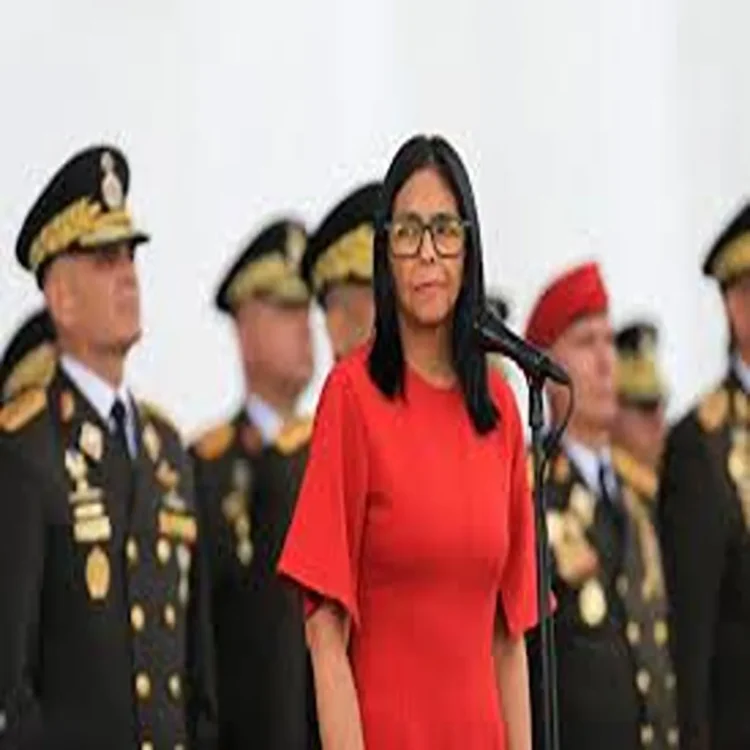
Major Changes in Military Leadership
In a statement shared on social media Thursday, Rodríguez confirmed that a completely new Military High Command has been appointed. The announcement came shortly after she dismissed the long-serving defense minister, a key ally of Maduro, and replaced him with a former intelligence official.
Rodríguez, who previously served as vice president under Maduro, said the reshuffle is aimed at strengthening institutional stability during a period of major political change. The move signals a clear departure from the previous administration’s influence over the armed forces.
Transition Amid External Pressure
The leadership changes are unfolding against a backdrop of strong pressure from the United States, which played a decisive role in Maduro’s removal in early January. Since then, Washington has remained closely involved in shaping the direction of Venezuela’s interim government.
Rodríguez now faces the challenge of steering a deeply divided nation while responding to international expectations. The country, despite holding the world’s largest proven oil reserves, continues to struggle with a severely weakened economy and widespread shortages of essential goods such as food and medicine.
Policy Shifts and Reform Measures
Since assuming office, Rodríguez has introduced a series of reforms aimed at addressing both domestic concerns and international demands. One of her most notable decisions has been the approval of an amnesty law that has led to the release of political prisoners detained during Maduro’s rule.
In addition, her administration has begun revising regulations governing the oil and mining sectors. These changes are intended to attract foreign investment and align Venezuela’s policies more closely with global market expectations, particularly those of the United States.
Balancing Domestic and International Expectations
Rodríguez’s position remains politically sensitive. While she continues to receive backing from the United States, she must also manage internal divisions within Venezuela, where a segment of the population and political establishment still supports Maduro.
Former president Maduro was taken to New York following his removal and is currently facing charges related to drug trafficking. His detention has further intensified political tensions within the country.
Role of the Military in Governance
The Venezuelan military remains a central force in the country’s power structure. Beyond its traditional defense role, it has significant involvement in key sectors including oil production, mining operations, food distribution, and customs administration.
With the armed forces pledging loyalty to Rodríguez, her decision to restructure the top command is seen as an effort to consolidate authority and ensure continued support from one of the country’s most influential institutions.
However, the military has also faced longstanding allegations of corruption and abuse of power, adding another layer of complexity to the interim government’s reform agenda.
Uncertain Path Ahead
As Venezuela navigates this transitional phase, the effectiveness of Rodríguez’s reforms and leadership decisions will be closely watched both domestically and internationally. The reshaping of the military leadership may provide short-term stability, but broader challenges tied to economic recovery and political reconciliation remain unresolved.
The coming months are expected to be critical in determining whether the country can move toward a more stable and functional governance system.