
Trump-Kennedy: Center will replace the Kennedy Center
Trump-Kennedy: White House Press Secretary Karoline Leavitt revealed that the board of the Kennedy Center unanimously decided to rename the venerable performing arts organization the Trump-Kennedy Center.
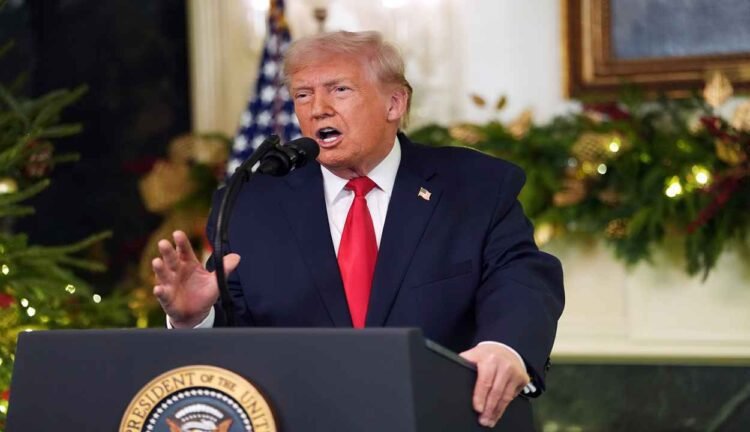
According to Leavitt, “the highly respected Board of the Kennedy Center,” which includes “some of the most successful people from all parts of the world,” made the choice.
According to her, the action was taken in response to what the board considered President Donald Trump’s stabilizing and reviving efforts during the previous 12 months.
In a statement on X, Leavitt said, “They just voted unanimously to rename the Kennedy Center to the Trump-Kennedy Center because of the unbelievable work President Trump has done over the last year in saving the building.”
According to her, Trump’s impact on the center’s budget and public image went beyond its actual renovation. “Not just in terms of its reconstruction, but also in terms of its reputation and finances,” she said.
Leavitt praised Trump on the choice and connected the renaming to the history of the center’s original namesake, former President John F. Kennedy.
“This will be a really great team for a long time to come,” she remarked, adding that she also congratulated President Kennedy and President Donald J. Trump.
It was anticipated that the rebranded institution would achieve unprecedented success, she noted. According to Leavitt, “the building will undoubtedly attain new levels of success and grandeur.”
When the name change would officially go into effect and if any more permissions would be needed were not specified in the release.
One of the most well-known cultural institutions in the US is the Kennedy Center, which is situated in Washington along the Potomac River and hosts opera, dance, theater, and music events. It has long been a national performing arts center that draws both performers and spectators from all over the globe.
The facility, which bears President John F. Kennedy’s name, was created as a living monument after his murder and opened to the public in 1971. Historically, it has been governed by a board of trustees and funded by a combination of private contributions, government grants, and earnings from events and performances.