
TradeDeal – Congress Questions India-US Interim Trade Framework
TradeDeal – Congress Member of Parliament Syed Naseer Hussain has strongly criticised the Centre over the recently announced interim trade framework between India and the United States, alleging that the agreement reflects external pressure rather than balanced negotiation.
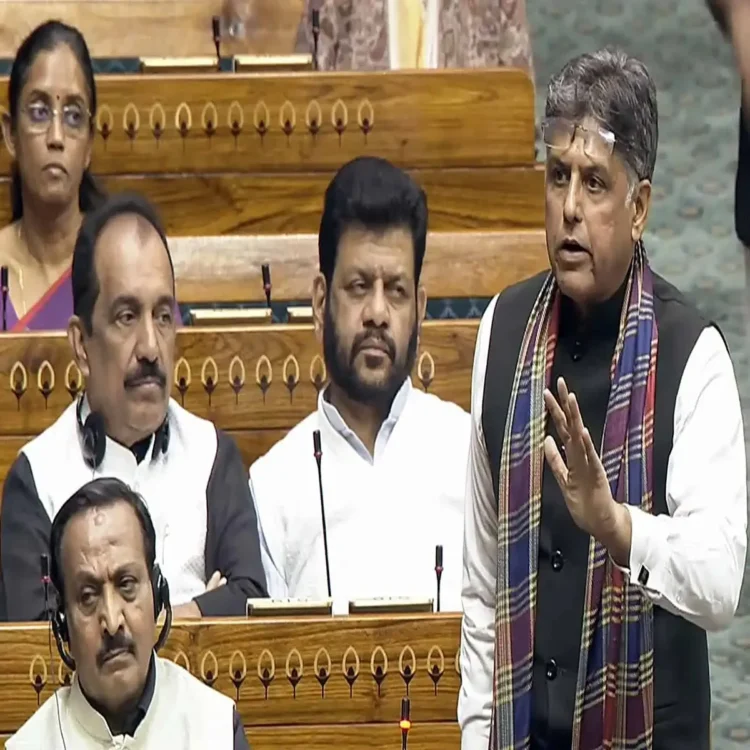
Congress Demands Parliamentary Discussion
In remarks made to the media, Hussain argued that the trade arrangement does not serve India’s broader economic interests, particularly those of farmers. He said the Indian National Congress had repeatedly called for a detailed discussion in Parliament, but claimed the government avoided allowing a full debate.
According to Hussain, the absence of an open exchange on the matter raises concerns about transparency. He maintained that lawmakers should have the opportunity to seek clarifications and examine the potential long-term implications of the agreement. He further alleged that the government appeared to have conceded ground in response to diplomatic pressure.
Hussain also referred to international relations issues, stating that no foreign leader should dictate India’s decisions on matters such as energy imports or bilateral ties. He described the development as troubling and reiterated the party’s demand for a comprehensive parliamentary review.
Framework Announced by India and the United States
The interim trade framework was jointly announced by India and the United States as part of ongoing efforts to deepen economic cooperation. Both sides described the arrangement as reciprocal and mutually beneficial, while reaffirming their commitment to concluding a broader Bilateral Trade Agreement.
The larger trade initiative was launched earlier this year following discussions between US President Donald Trump and Prime Minister Narendra Modi on February 13, 2025. Officials from both countries have since been working on outlining the legal and commercial structure of the proposed agreement.
Under the interim framework, India has agreed to reduce or eliminate tariffs on a range of American industrial goods. The concessions also extend to several agricultural and food items, including dried distillers’ grains used for animal feed, red sorghum, tree nuts, fresh and processed fruits, soybean oil, wine and spirits, among other products.
Tariff Adjustments on Indian Exports
In return, the United States has introduced an 18 per cent reciprocal tariff on certain Indian exports. The affected categories include textiles and apparel, leather goods and footwear, plastic and rubber items, organic chemicals, home decor products, artisanal goods, and selected machinery.
Trade experts note that these tariff adjustments could influence export competitiveness in specific sectors. Industry representatives are closely assessing how the revised duties might impact pricing and market access in the US.
While supporters of the agreement argue that the framework lays the groundwork for stronger economic ties and expanded market opportunities, critics contend that the balance of concessions requires closer scrutiny.
Negotiations Moving Toward Formal Agreement
Meanwhile, Rajesh Agrawal, India’s Chief Negotiator and Special Secretary in the Department of Commerce, confirmed that discussions between the two countries are continuing. He stated that virtual meetings have been taking place regularly and that a delegation led by the chief negotiator will travel to Washington next week.
According to Agrawal, the upcoming visit is aimed at finalising the legal structure necessary for a formal agreement. He indicated that work on drafting and reviewing the legal text will progress in the coming days as both sides attempt to bring clarity to the terms of cooperation.
The interim framework represents a significant step in the evolving economic partnership between India and the United States. However, as political debate intensifies domestically, calls for greater transparency and parliamentary engagement are likely to continue in the weeks ahead.