
TradeAgreement – India and US Seal Interim Tariff Deal
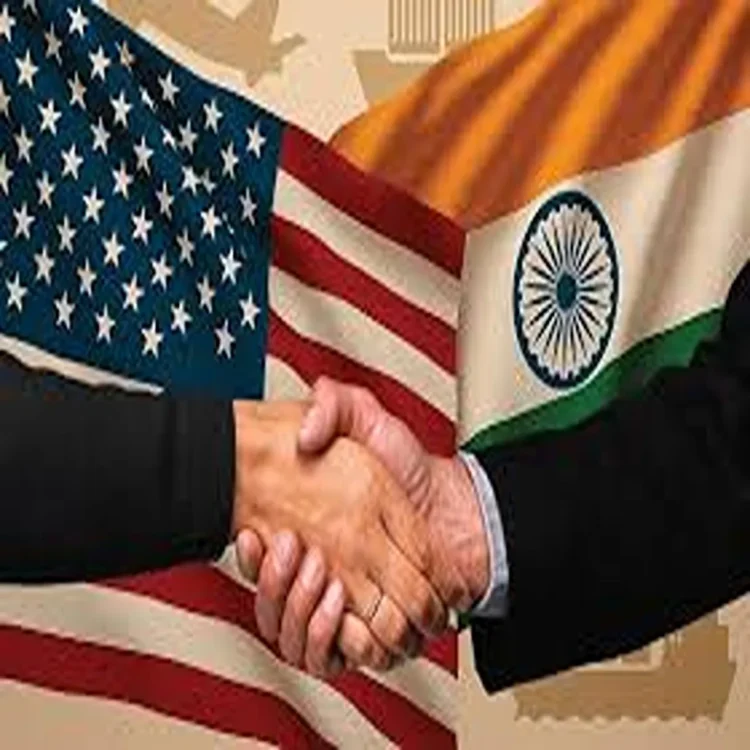
TradeAgreement – India and the United States have agreed on a framework for an interim trade agreement that will reduce American tariffs on Indian goods to 18 percent, marking a significant step in strengthening economic ties between the two countries. The development was confirmed by External Affairs Minister S Jaishankar, who described the framework as a foundation for a more balanced and mutually rewarding trade relationship.
Framework Aims to Expand Market Access
In a statement shared on social media, S. Jaishankar said the interim arrangement would help build a trade partnership that benefits both sides. He noted that the agreement is designed to widen market access for Indian products in the United States and create new commercial opportunities for exporters.
According to him, the framework is expected to give fresh momentum to India’s manufacturing sector by supporting domestic producers seeking access to global markets. The reduction in tariffs is seen as a key move that could make Indian goods more competitive in the US market, especially in sectors where pricing plays a decisive role.
Prime Minister Calls It a Positive Milestone
Prime Minister Narendra Modi welcomed the announcement, calling it encouraging news for both nations. He expressed appreciation for the commitment shown by US President Donald Trump in advancing bilateral ties.
The Prime Minister said the interim framework reflects the increasing trust and cooperation between the two democracies. He emphasized that the agreement would reinforce India’s domestic manufacturing ambitions while offering expanded opportunities for farmers, entrepreneurs, micro, small and medium enterprises, startups, and workers in traditional sectors such as fisheries.
Modi also pointed out that greater export activity could generate substantial employment, particularly for women and young people entering the workforce. He underlined that the agreement aligns with India’s broader development goals and its push to position itself as a reliable global manufacturing and innovation hub.
Focus on Innovation and Supply Chains
Highlighting the strategic dimension of the partnership, the Prime Minister said India and the United States share a common interest in promoting innovation and technological advancement. The interim agreement, he noted, is expected to strengthen collaboration in investment and technology-driven industries.
He further stated that closer economic engagement would help both countries build more resilient and trusted supply chains. In the context of shifting global trade patterns, policymakers in New Delhi and Washington have increasingly stressed the importance of dependable trade networks that can withstand external disruptions.
The Prime Minister added that as India works toward its long-term development objectives, it remains committed to forging global partnerships that foster shared growth and long-term prosperity.
Commerce Ministry Highlights Economic Impact
Earlier in the day, Commerce and Industry Minister Piyush Goyal said the interim trade framework would allow India and the United States to deepen economic cooperation while pursuing sustainable growth.
He described the United States as a $30 trillion market that presents vast opportunities for Indian exporters. According to the minister, sectors such as MSMEs, agriculture, and fisheries stand to benefit significantly from improved access to American consumers.
Goyal noted that higher export volumes could translate into large-scale job creation, particularly for women and young professionals. He stressed that stronger trade engagement would not only boost business prospects but also reinforce the broader economic partnership between the two countries.
A Step Toward Broader Economic Engagement
While the interim agreement sets out the immediate contours of tariff reduction and trade facilitation, officials view it as part of a larger trajectory of cooperation. Over recent years, India and the United States have expanded ties across defense, technology, energy, and digital services, with trade playing a central role in the relationship.
The new framework is expected to serve as a bridge toward a more comprehensive trade arrangement in the future. By easing tariff barriers and encouraging market access, both governments aim to create a predictable environment for businesses and investors.
As negotiations continue, the focus remains on translating policy commitments into measurable gains for exporters, workers, and industries on both sides.