
TaiwanDefense – Chinese Aircraft and Naval Vessels Detected Near Island
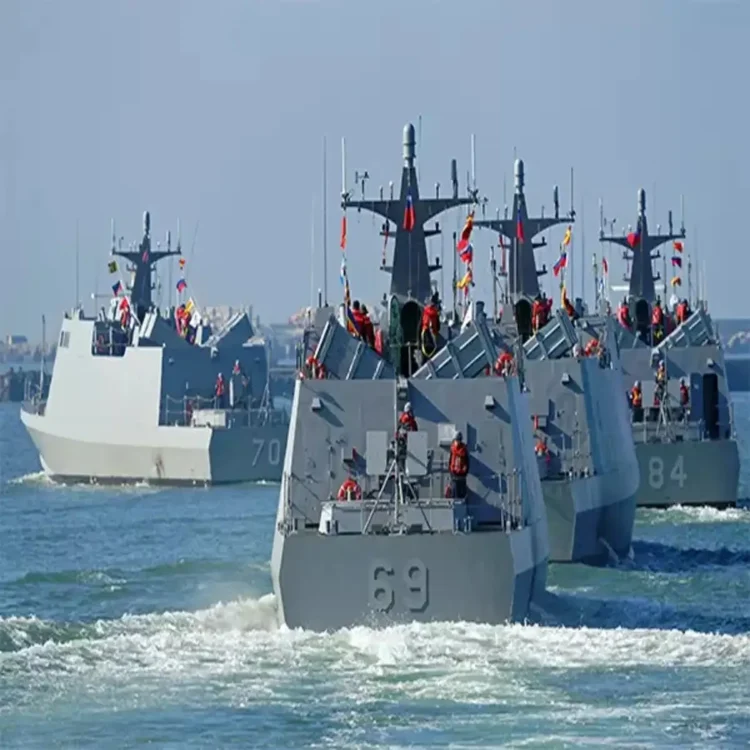
TaiwanDefense – aiwan’s Ministry of National Defense reported early Saturday that it had tracked six Chinese military aircraft and seven naval vessels operating in areas surrounding the island. The activity was recorded as of 6 a.m. local time, with several aircraft entering Taiwan’s air defense identification zone, according to officials.
Aircraft Movements Enter Air Defense Zone
In a statement shared on social media platform X, the defense ministry said five of the six detected aircraft flew into Taiwan’s southwestern and eastern ADIZ. The ministry noted that it had kept the situation under close observation and taken appropriate response measures.
Taiwan’s ADIZ is not considered sovereign airspace, but the government routinely monitors and publicizes incursions as part of its broader national security strategy. Such movements have become a regular feature of cross-strait tensions, with Taipei describing them as attempts to apply military pressure.
The ministry did not disclose specific aircraft models or the precise duration of their presence. However, officials emphasized that Taiwan’s armed forces remained vigilant and capable of responding to developments in the surrounding air and maritime areas.
Increased Activity Reported a Day Earlier
The latest report follows similar activity detected on Friday. On that day, Taiwan’s defense authorities tracked eight aircraft from the People’s Liberation Army and six vessels from the People’s Liberation Army Navy near the island.
According to the ministry, six of those eight aircraft crossed the median line of the Taiwan Strait and entered the southwestern and eastern sections of the ADIZ. The median line has long served as an informal boundary between the two sides, though Beijing does not formally recognize it.
As with Saturday’s activity, Taiwan said its military monitored the movements and implemented standard response protocols. Over the past few years, Taipei has frequently released daily updates detailing Chinese military operations near its territory, reflecting what analysts describe as a sustained pattern of pressure.
Diplomatic Signals Amid Strategic Competition
The military developments come at a time of broader geopolitical maneuvering between Washington and Beijing. Earlier this week, the United States convened discussions with several countries focused on securing supply chains for critical minerals, an initiative widely interpreted as an effort to reduce dependence on China in key sectors.
Amid these developments, US President Donald Trump held a phone conversation with Chinese President Xi Jinping. Trump described the exchange as extensive and constructive in a post on his social media platform, Truth Social.
According to Trump, the leaders discussed a wide range of issues, including trade, military matters, Taiwan, the conflict between Russia and Ukraine, and tensions involving Iran. He also confirmed plans to visit China in April, saying he looked forward to the trip.
The US president stated that bilateral ties were in good shape and expressed confidence that cooperation could produce positive outcomes during his current term in office. He highlighted discussions on agricultural exports, including potential increases in soybean purchases, as well as energy trade and aircraft engine deliveries.
Regional Stability Remains in Focus
While Washington and Beijing exchange diplomatic messages, Taiwan continues to find itself at the center of strategic rivalry between the two powers. China regards the island as part of its territory, while Taiwan maintains its own government and armed forces.
Security analysts note that military activity around Taiwan often coincides with major diplomatic or economic developments. Although such operations have become more frequent, both sides have so far avoided direct confrontation.
Taiwan’s defense ministry reiterated that it remains committed to safeguarding national security and maintaining stability across the Taiwan Strait. Officials said surveillance and readiness efforts would continue as part of routine defense operations.