
South Korea: Political Scrutiny Intensifies Around Budget Ministry Nominee
South Korea: The nomination of Lee Hye-hoon to lead South Korea’s newly formed Ministry of Planning and Budget has rapidly evolved into a major political controversy. What initially appeared to be a routine cabinet appointment has now become a flashpoint in national politics, raising broader questions about ethics, accountability, and standards of conduct for public officials. Allegations concerning her past behavior as a lawmaker and suspicions related to her family’s real estate dealings have placed her under mounting pressure from across the political spectrum.
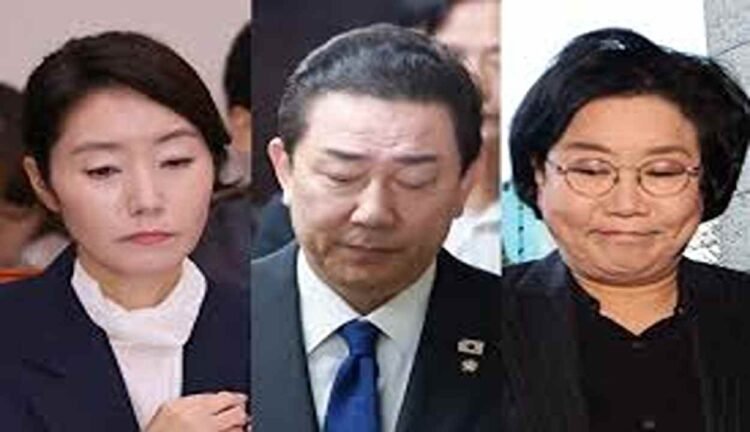
Background of the Nomination
Lee Hye-hoon is a former three-term lawmaker with a professional background in economics and public policy. Her surprise nomination by President Lee Jae Myung was intended to signal a focus on fiscal discipline and long-term budget planning. The Ministry of Planning and Budget itself is a newly established institution, designed to streamline government spending and improve policy coordination. Because of the ministry’s importance, the choice of its first leader carries symbolic as well as practical weight.
However, almost immediately after the announcement, lawmakers from both the ruling and opposition parties began expressing reservations. Some members of the ruling Democratic Party voiced discomfort over Lee’s earlier political statements, particularly those perceived as sympathetic to controversial actions taken by a previous administration. This internal unease weakened early support that might otherwise have helped her weather opposition criticism.
Allegations of Workplace Misconduct
One of the most damaging aspects of the controversy involves allegations that Lee mistreated an intern during her tenure as a member of the National Assembly. Recently disclosed audio recordings reportedly capture her using harsh and demeaning language toward the intern. These recordings have circulated widely, fueling public debate about power imbalance, workplace ethics, and the responsibilities of elected officials toward junior staff.
Critics argue that such behavior reflects deeper issues of leadership temperament and respect for democratic values. In a political climate increasingly sensitive to workplace harassment and abuse of authority, the accusations have resonated strongly with the public. Opposition figures have framed the incident not as an isolated lapse in judgment, but as evidence of an entrenched culture of privilege.
Real Estate Speculation Claims
Adding to the pressure are allegations concerning Lee’s husband and his past real estate transactions. According to claims raised by opposition lawmakers, he purchased a large plot of land near what would later become Incheon International Airport roughly a year before the airport officially opened in 2001. At the time of purchase, the couple reportedly lived in Seoul, leading critics to question the intent behind the investment.
Documents released by opposition representatives indicate that the land, located on Yeongjong Island in Incheon, was later expropriated by state-run development corporations several years later. The compensation amount cited by critics suggests a significant financial gain, with claims that the profit amounted to more than three times the original investment within a relatively short period.
While no court has ruled the transaction illegal, the timing and scale of the profit have raised ethical concerns. In South Korea, where public sensitivity to real estate speculation is high due to housing affordability issues, such allegations can be politically damaging even without legal wrongdoing.
Political Reactions and Escalation
The main opposition People Power Party has taken a particularly aggressive stance, calling on Lee to apologize publicly and withdraw from political life. Party spokespersons have argued that the combination of alleged workplace abuse and questionable financial gains undermines public trust. Their criticism has been framed around broader themes of fairness, integrity, and the proper use of power.
Within the ruling party, reactions have been more cautious but still significant. Some lawmakers worry that proceeding with the nomination could distract from the government’s legislative agenda and erode public confidence. The controversy has also complicated the upcoming confirmation hearing, which is expected to be contentious and closely watched.
Broader Implications for Governance
Beyond the fate of a single nominee, the situation highlights enduring challenges in South Korean politics. Ethical standards for public officials, transparency in personal financial dealings, and the treatment of junior staff have all become central issues. The controversy underscores how personal conduct and family financial history can intersect with public responsibilities in ways that shape political outcomes.
For the administration, the decision of whether to stand by the nominee or seek an alternative candidate will signal its priorities and tolerance for controversy. For the opposition, the case offers an opportunity to press accountability narratives ahead of future electoral contests.