
Privatisation – PIA Sale Sparks Debate Over Public Losses
Privatisation – The federal government’s decision to privatise Pakistan International Airlines has been presented as a landmark restructuring effort aimed at ending years of financial instability. However, a recent report has raised serious questions about the financial structure of the transaction and its long-term implications for public finances.
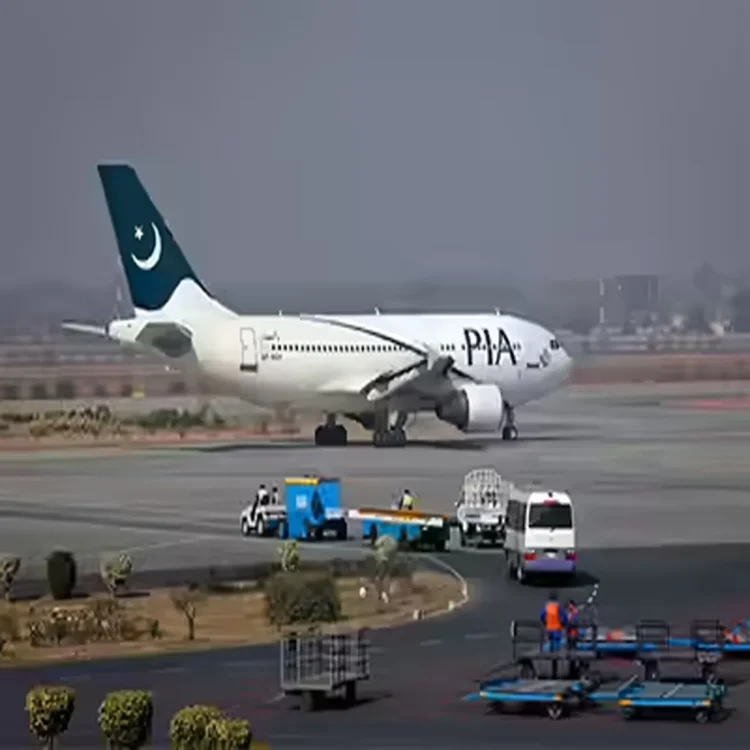
Structure of the Transaction
According to the report published by the Colombo-based Asian News Post, the government transferred approximately Rs 650 billion in accumulated liabilities of Pakistan International Airlines into a separate holding company prior to the sale. This move effectively shielded the incoming buyer from the airline’s long-standing debt burden.
The operational wing of the airline, now free from most of its historic debt, has been handed over to a private consortium led by Arif Habib Corporation. The deal carries a headline valuation of roughly Rs 135 billion. Yet, only about Rs 10 billion of that figure represents direct cash proceeds to the state. The remaining amount is structured as equity to be injected back into the airline to support its future operations.
Financial analysts note that when compared with the vast liabilities absorbed by the public sector, the immediate fiscal benefit appears limited. The one-time cash inflow represents a fraction of the total debt transferred to the holding entity.
Public Debt and Fiscal Impact
For decades, PIA has relied heavily on taxpayer support to stay operational. The airline’s mounting losses were repeatedly covered through state-backed loans, guarantees and capital injections. With the latest arrangement, the public sector continues to shoulder responsibility for approximately Rs 650 billion in outstanding obligations.
Critics argue that the structure of the deal results in a negative net position for the public exchequer. While the state absorbs the historical financial burden, the buyer gains control of a leaner entity with reduced leverage and the potential for improved profitability.
The report contends that this approach shifts financial risk away from private investors and keeps the weight of past mismanagement on taxpayers. It suggests that although privatisation was framed as reform, the cost of earlier governance failures remains largely socialised.
Strategic Assets and Valuation Concerns
Over the years, Pakistan International Airlines developed an extensive network of international routes and secured valuable landing slots at major global airports. It also built a sizeable fleet and maintained brand recognition in key markets.
Observers have questioned whether these strategic assets were adequately valued in the transaction. In aviation markets where airport slots and bilateral route rights are limited and highly competitive, such privileges can hold significant commercial value. Some analysts argue that once network strength, brand equity and regulatory advantages are taken into account, the sale price may fall short of replacement cost.
The report suggests that when a state absorbs liabilities, injects fresh capital and then transfers valuable assets to private ownership, the transaction can resemble a redistribution of economic benefits rather than a straightforward market-driven divestment.
Governance and Future Outlook
Supporters of privatisation maintain that private management could introduce operational discipline, improve service standards and reduce political interference that has historically affected the airline’s performance. They argue that structural reform was necessary to prevent further financial erosion.
However, critics point out that broader governance reforms in the aviation and public enterprise sector remain incomplete. Without systemic changes, they caution, the underlying issues that contributed to PIA’s decline may persist elsewhere.
As the transition moves forward, attention will likely focus on whether the new management can achieve sustainable profitability and whether the restructuring ultimately delivers long-term value for Pakistan’s economy. For now, the debate over the balance between public cost and private gain continues to shape discussion around one of the country’s most significant privatisation efforts.