
Peru Train Accident: Train Collision Near Machu Picchu Raises Safety and Tourism Concerns in Peru
Peru Train Accident: A tragic train accident near the world-famous archaeological destination Machu Picchu shocked Peru on Tuesday, highlighting ongoing safety and infrastructure challenges in one of South America’s most visited tourism corridors. Two passenger trains carrying tourists collided on a rail line that serves as a vital connection between the ancient Incan site and the historic city of Cuzco. The crash resulted in the death of at least one person and left nearly 30 passengers injured, according to local authorities.
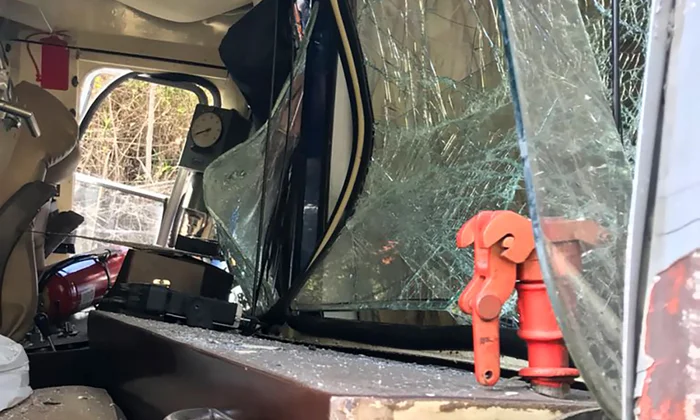
The individual who lost his life was identified as a railway worker performing his duties at the time of the incident. Police officials confirmed that train services along the affected route were immediately suspended as emergency teams responded and safety inspections began. The railway line is a crucial transport artery for visitors traveling to Machu Picchu, making the disruption significant for both tourists and the local economy.
Details of the Train Accident
According to the company operating the railway, the collision occurred in the early afternoon near Qoriwayrachina, itself an area of archaeological importance. One train was traveling from Machu Picchu, while the other was heading toward the site when the crash took place. At the time of reporting, officials had not released specific information regarding the cause of the accident, leaving questions about operational safety and signaling systems unanswered.
Local media footage showed damaged train cars stranded on narrow tracks surrounded by dense green forest and towering rock formations. Broken windows and visibly dented metal sides illustrated the force of the impact. Rescue personnel were seen assisting injured passengers and securing the area to prevent further risks.
Impact on Rail Services and Passenger Safety
Following the incident, railway authorities suspended all services along the line connecting Machu Picchu and Cuzco. This decision was taken as a precautionary measure to allow investigators to examine the tracks, trains, and communication systems involved. Passenger safety has become a major concern, particularly given the growing number of tourists who rely on rail transport to reach the site.
For many travelers, the train journey is not only the most convenient option but also an integral part of the Machu Picchu experience. Any interruption in service can cause delays, overcrowding, and logistical challenges for visitors already in the region.
Machu Picchu and Its Importance to Tourism
Machu Picchu remains one of the most iconic travel destinations in the world, attracting around 1.5 million visitors every year. Most tourists arrive by train to the nearby town of Aguas Calientes, which serves as the primary gateway to the ancient citadel. Built in the 15th century by the Incas, the site is renowned for its precisely cut stone structures and its historical role as a royal sanctuary.
Over the past decade, visitor numbers to Machu Picchu have increased by approximately 25 percent. This steady growth underscores the site’s global appeal but also places increasing pressure on transportation infrastructure, conservation efforts, and crowd management strategies.
Challenges Facing Tourism in the Region
Despite its popularity, tourism around Machu Picchu has not been without challenges. Political unrest and disputes over site management have periodically disrupted travel in the region. In some instances, protesters have blocked railway lines as part of demonstrations, directly affecting access to the site and raising concerns about reliability and safety.
Additionally, the remote geography of the area makes infrastructure maintenance complex. Rail lines pass through rugged terrain, dense vegetation, and narrow valleys, all of which require constant monitoring and investment to ensure safe operation.
Alternative Routes to Machu Picchu
While trains remain the most common way to reach Machu Picchu, travelers also have the option of hiking. One popular route begins in the small town of Ollantaytambo and involves a multi-day trek through mountainous landscapes. The journey typically takes about four days and appeals to adventure-seeking visitors looking for a more immersive experience.
As investigations into the recent train collision continue, attention will likely focus on improving rail safety measures to protect both workers and passengers. Ensuring reliable and secure access to Machu Picchu is essential not only for tourism but also for preserving Peru’s cultural heritage and international reputation as a travel destination.