
Nikki Haley: Visa Delays, Political Commentary, and the Growing Debate Around the H-1B Program
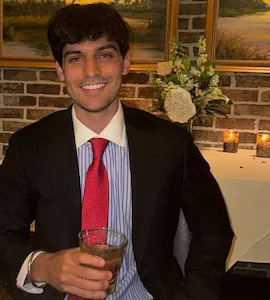
Nikki Haley: The recent controversy surrounding delayed US H-1B visa processing has sparked intense discussion across political, professional, and social media circles. At the center of this debate is Nalin Haley, son of former US ambassador and Republican leader Nikki Haley, whose online remarks about Indian professionals caught in prolonged visa delays have drawn sharp criticism. The situation highlights not only the human cost of immigration policies but also the widening divide in perspectives around skilled foreign workers in the United States.
Social Media Remarks and Public Backlash
Nalin Haley became a focal point of criticism after engaging with social media posts that mocked Indian professionals unable to return to the United States after traveling to India for routine visa stamping. Many of these professionals expected short visits but instead found themselves stuck due to sudden and extended delays in visa interview appointments at US consulates.
In his posts, Haley repeated arguments often used by critics of the H-1B program. He questioned the use of the term “stranded,” suggesting that Indian citizens could not be stranded in their own country. He also implied that India’s concerns were driven more by the potential loss of remittance income than by the personal hardships faced by its citizens. His call for a complete ban on the H-1B visa program intensified the backlash, particularly among immigrant communities and industry professionals.
Longstanding Criticism of Skilled Immigration
This is not the first time Haley has expressed opposition to foreign worker programs. He has previously argued that international professionals take away employment opportunities from Americans, pointing to his own peers who are struggling to secure jobs in a challenging economic climate. These views align with a broader political narrative in the US that links domestic unemployment to immigration, even within highly specialized sectors such as technology, healthcare, and engineering.
Critics, however, argue that such claims oversimplify complex labor market dynamics. Many economists and business leaders maintain that skilled immigration fills critical gaps, supports innovation, and contributes significantly to economic growth rather than displacing local workers.
Indian Government Responds to the Situation
As the debate intensified online, the Indian government formally acknowledged the growing number of complaints from affected nationals. Officials confirmed that multiple representations had been received from Indian citizens facing uncertainty due to postponed US visa appointments. Authorities stated that they were in communication with their American counterparts to better understand the scope of the issue and to seek clarity on possible timelines.
The government emphasized that it was aware of the professional, financial, and emotional stress caused by the delays, particularly for individuals employed by US companies who are now unable to resume work or meet contractual obligations.
Policy Changes and Enhanced Screening Measures
The disruption stems from a policy change implemented by the United States in mid-December. Beginning December 15, enhanced social media vetting was expanded to include all H-1B visa applicants and their dependents. This move significantly increased background checks, resulting in operational slowdowns at US consulates worldwide.
US officials stated that visa processing timelines may vary due to these enhanced screening requirements. According to embassy spokespersons, the measures are part of broader efforts to ensure national security and public safety, with interview schedules adjusted based on staffing and operational capacity.
From Holiday Travel to Indefinite Uncertainty
For many professionals, what was meant to be a brief holiday trip to visit family has turned into an open-ended wait. Applicants who had interviews scheduled between December 15 and December 26 received notifications that their appointments had been postponed, in some cases by six months or more.
Immigration attorneys have noted that nearly all interviews scheduled after mid-December were impacted. The uncertainty has created logistical challenges, including employment disruptions, financial strain, and emotional distress for families caught between two countries.
A Broader Conversation on Immigration Policy
The episode has reignited discussions around the balance between security, economic needs, and humanitarian considerations in immigration policy. While governments emphasize safety and compliance, affected professionals and employers argue that abrupt policy shifts without transition mechanisms can cause disproportionate harm.
As visa backlogs grow and political rhetoric intensifies, the H-1B debate is likely to remain a contentious issue. The situation underscores the need for transparent communication, predictable processes, and policies that recognize both national interests and the real lives shaped by immigration systems.