
Israel-Iran Conflict – Daylight Strike Rocks Tehran Amid Rising Tensions
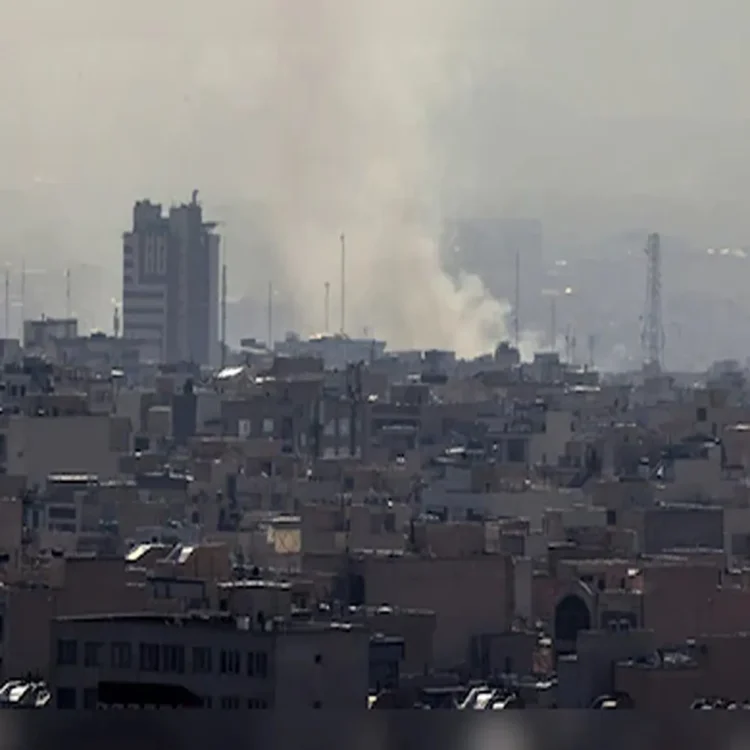
Israel-Iran Conflict – A major escalation unfolded in the Middle East on Saturday after Israel carried out a daytime airstrike targeting central Tehran, sending thick plumes of smoke into the sky above the Iranian capital. The first explosion was reported near offices associated with Supreme Leader Ayatollah Ali Khamenei, though officials did not immediately confirm whether the senior leader was present at the time.
U.S. Involvement Reported in Military Operation
According to a U.S. official and another individual familiar with the mission, the United States played a role in the operation. Both spoke on condition of anonymity due to the sensitive nature of the military action. However, the scope of Washington’s involvement has not been publicly clarified. The White House declined to comment when contacted shortly after reports of the strike emerged.
The development comes as the United States has significantly increased its military presence in the region in recent weeks. Fighter jets and naval assets have been deployed as part of broader efforts to pressure Tehran over its nuclear program. President Donald Trump has previously expressed interest in securing a new agreement aimed at limiting Iran’s uranium enrichment activities.
Uncertainty Surrounds Khamenei’s Whereabouts
It remains unclear whether Ayatollah Khamenei, 86, was inside his office complex during the strike. He has not made a public appearance in recent days, as tensions between Tehran and Washington intensified. Following the initial blast, Iranian authorities closed roads leading to the Supreme Leader’s compound in downtown Tehran.
Witnesses in the capital described hearing multiple explosions after the first strike. Iranian state television later acknowledged that an explosion had occurred near the leadership offices but did not specify what caused it.
Israeli Targets and Official Response
An official briefed on the operation indicated that the Israeli campaign focused on military facilities, intelligence-linked sites, and other state-related symbols within Iran. The individual was not authorized to speak publicly and provided details anonymously.
Israeli Defense Minister Israel Katz stated that the operation was conducted to remove threats facing Israel but did not elaborate further on specific objectives. At the same time, air raid sirens sounded across Israel as authorities prepared for the possibility of retaliatory missile fire.
The Israeli military announced it had issued what it called a proactive alert, urging residents to remain prepared for potential attacks. Israel also temporarily closed its airspace as a precautionary measure.
Hospitals and Civil Precautions Activated
Medical centers across Israel initiated emergency procedures following the strike. Several hospitals moved patients and surgical operations to reinforced underground areas designed to withstand missile attacks.
In Iran, authorities shut down the country’s airspace soon after the explosions. Mobile phone services were also disrupted in parts of Tehran, adding to public uncertainty. No official information regarding casualties or damage has been released by Iranian authorities.
Regional Tensions and Nuclear Dispute
The strike takes place against the backdrop of longstanding disputes over Iran’s nuclear program. Tehran maintains that its uranium enrichment activities are for peaceful purposes and insists it has the sovereign right to continue them. Iranian leaders have also rejected discussions about limiting their ballistic missile program or altering their support for regional armed groups, including Hamas and Hezbollah.
Iran has previously warned that any attack involving the United States would put American military bases and personnel across the region at risk. It remains unclear whether Tehran will respond immediately or opt for a different course of action.
As the situation develops, governments across the region are closely monitoring events amid fears that the confrontation could widen into a broader conflict affecting Middle East stability.