
Iran : at a Crossroads: Global Reactions, Domestic Unrest, and the Struggle for a New Future
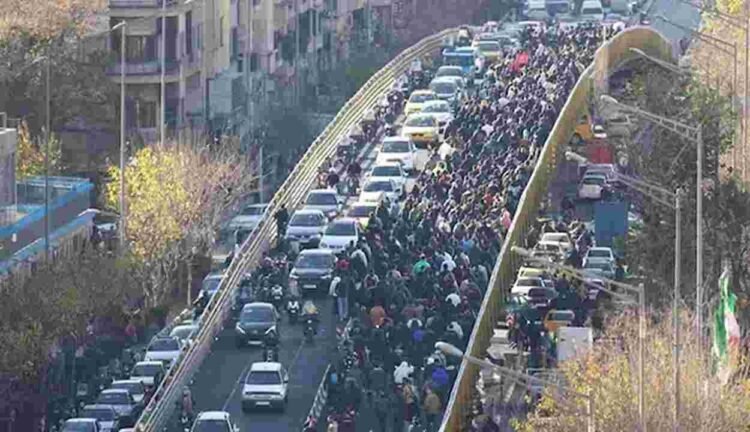
Iran: The political situation in Iran has once again drawn intense international attention as nationwide protests continue to challenge the existing power structure. Rising prices, prolonged economic stagnation, and public frustration have pushed citizens across multiple provinces into the streets. These developments have triggered strong reactions not only within Iran but also from influential global figures, reshaping diplomatic conversations and raising concerns about regional stability.
International Warning and Its Impact
The protests gained further momentum after a strong warning was issued by the President of the United States, Donald Trump. Through a public social media statement, he cautioned Iranian authorities against the violent suppression of peaceful protesters, signaling potential intervention if security forces resorted to lethal force. His remarks immediately escalated tensions and placed Iran’s internal crisis firmly on the global stage.
This warning resonated deeply with opposition figures and members of the Iranian diaspora, who interpreted it as an unprecedented show of solidarity with ordinary Iranians seeking change. It also intensified diplomatic exchanges between Tehran and international institutions.
Reza Pahlavi’s Message to the Iranian People
Former Crown Prince Reza Pahlavi publicly welcomed the statement from Washington, expressing gratitude for what he described as moral and political support for the Iranian people. According to him, Iranians are no longer willing to tolerate decades of instability, repression, and economic decline. He emphasized that many citizens are demanding an end to what he called a multi-decade period of chaos and fear, and they aspire to rebuild constructive relations with the United States.
Pahlavi framed the current protests as more than a reaction to inflation or unemployment. In his view, they represent a broader national movement aimed at restoring dignity, opportunity, and Iran’s historical role as a stabilizing force in the Middle East. He highlighted the desire among Iranians to revive international cooperation that once contributed to peace and prosperity across the region.
Support from Farah Pahlavi
Backing these sentiments, the former Iranian queen Farah Pahlavi also voiced strong support for the protesters. In an emotional message, she appealed directly to Iran’s security forces, urging them to stand with the people rather than against them. She reminded Iranians of their rich cultural heritage, intellectual legacy, and history of innovation, expressing confidence that the country could once again become a symbol of progress.
Her statement framed the protests as a historic turning point, encouraging unity, mutual trust, and perseverance. According to her, the sacrifices being made by ordinary citizens would not be forgotten and could define a new chapter in Iran’s national story.
United Nations and Human Rights Concerns
The unfolding events also drew the attention of the United Nations. Volker Turk, the UN High Commissioner for Human Rights, called on Iranian authorities to respect fundamental freedoms, including the rights to peaceful assembly, expression, and association. He stressed that individuals must be allowed to voice grievances without fear of violence or retaliation.
These remarks reinforced long-standing concerns from international organizations regarding civil liberties in Iran, particularly during periods of political unrest.
Iran’s Response at the United Nations
Iran’s government reacted sharply to the statements from Washington. The country’s permanent representative to the United Nations, Amir Saeed Iravani, formally addressed a letter to UN Secretary-General Antonio Guterres and the President of the UN Security Council. In the letter, Tehran condemned what it described as unlawful and provocative threats, arguing that they violated international law and the UN Charter.
Iranian officials insisted that any attempt to legitimize unrest or hint at external intervention undermines national sovereignty. The government reiterated its position that it retains the right to defend its territorial integrity and warned that responsibility for any escalation would lie with the United States.
Situation on the Ground in Iran
Despite diplomatic exchanges, protests have continued across the country. Demonstrations have been reported in cities such as Qom, Mashhad, Hamedan, Yasuj, and several neighborhoods of Tehran. What began as economic اعتراض intensified after shopkeepers went on strike, highlighting widespread frustration with rising living costs and limited opportunities.
Reports indicate that clashes between protesters and security forces have resulted in casualties and arrests. While authorities attribute some incidents to attempts at provoking chaos, human rights groups remain concerned about the use of force and the overall handling of the demonstrations.
A Defining Moment for Iran
The current unrest represents one of the most serious challenges faced by Iran in recent years. With growing international scrutiny, vocal support from opposition figures, and continued calls for restraint from global institutions, the country stands at a critical crossroads. Whether these protests lead to meaningful reform, further repression, or prolonged instability will shape Iran’s future and its role in regional and global politics.