
Inside Adiala Jail: Imran Khan’s State of Mind, Prison Conditions, and the Growing Political Debate in Pakistan
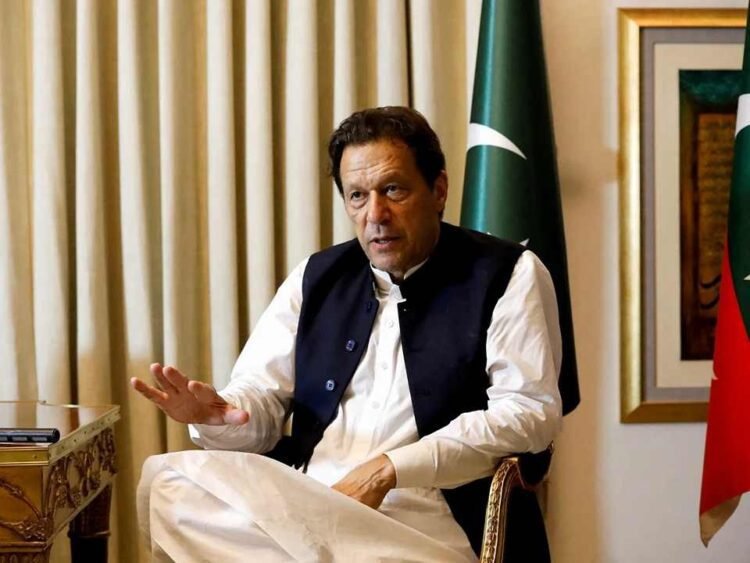
Inside Adiala Jail: The recent statements made by Pakistani religious scholar Muhammad Ali Mirza have once again brought national and international attention to the imprisonment of Imran Khan. According to Mirza, who himself was recently held in Adiala Jail before being granted bail, the former Prime Minister remains deeply frustrated during his continued incarceration. These remarks have reignited political discussion, legal scrutiny, and human rights concerns across Pakistan.
Background of Muhammad Ali Mirza’s Statement
Muhammad Ali Mirza made these comments during an interview with a private television channel shortly after his release on bail. His statements are considered significant because they come from someone who recently experienced the same detention facility. Mirza emphasized that prolonged imprisonment naturally leads to psychological stress, particularly for a political leader who once held the country’s highest executive office. His observations were widely reported by national media and quickly became part of the broader political discourse.
Imran Khan’s Daily Life and Mental State in Jail
According to Mirza, Imran Khan has been lodged in Adiala Jail since September 2023 and continues to show visible signs of frustration. This emotional state, Mirza noted, is not unexpected for someone who has spent nearly two years in confinement under intense legal and political pressure. Despite these challenges, Khan reportedly maintains a structured daily routine and tries to remain mentally engaged.
Access to News and Prison Facilities
One of the most debated aspects of Imran Khan’s imprisonment relates to the facilities available to him. Mirza disclosed that the former Prime Minister has access to two newspapers and a television set in his room. This allows him to stay informed about national and international developments. Such access has fueled public debate, with critics arguing that these facilities amount to preferential treatment, while supporters maintain that access to information is a basic right, especially for a former head of government.
Allocation of Barracks and Living Arrangements
Mirza further revealed that Imran Khan has been allotted six barracks inside Adiala Jail. Five of these are reportedly for his personal use, while the sixth is designated for his attendant. This disclosure intensified discussions around prison rules, equality before law, and whether political detainees are treated differently from ordinary prisoners. Legal experts remain divided, with some pointing out that security considerations often dictate such arrangements.
Legal Developments in the Mirza Case
The comments came soon after the Rawalpindi Bench of the Lahore High Court granted bail to Muhammad Ali Mirza in a blasphemy case registered in Jhelum. Justice Sadaqat Ali Khan approved the bail on December 3, 2025, directing Mirza to submit two surety bonds of 500,000 Pakistani rupees each. His release enabled him to speak publicly, adding credibility and immediacy to his remarks.
PTI’s Appeal to Parliamentary Authorities
The political party founded by Imran Khan, Pakistan Tehreek-e-Insaf, has formally raised concerns over what it describes as solitary confinement and violations of fundamental rights. In a letter addressed to the Chairman of the Pakistani Senate, the party demanded the immediate formation of a parliamentary committee to investigate the detention conditions of Imran Khan and his wife, Bushra Bibi. The letter emphasized constitutional responsibility and proposed several senior senators for the committee.
Concerns Over Bushra Bibi’s Treatment
Beyond Imran Khan’s situation, PTI also expressed alarm over the isolation and treatment of Bushra Bibi. The party characterized her detention conditions as a serious breach of basic human rights. Supporters argue that family members of political figures should not be subjected to undue hardship, while critics maintain that legal processes must be allowed to proceed without political pressure.
International Human Rights Perspective
International attention further amplified the issue when the United Nations Special Rapporteur on torture, Alice Jill Edwards, urged the Pakistani government to take immediate action. She warned that the reported detention conditions could be considered inhumane and undignified, potentially amounting to torture or degrading treatment. Her statement added global human rights credibility to domestic concerns and increased diplomatic pressure on Pakistan.
Ongoing Debate and Political Impact
The situation continues to generate intense debate within Pakistan. Supporters view Imran Khan’s detention as politically motivated, while opponents argue it is the outcome of lawful accountability. Regardless of perspective, the issue has far-reaching implications for democratic norms, judicial independence, and human rights standards in the country. As legal proceedings and political negotiations continue, the conditions of detention at Adiala Jail remain a focal point of national and international scrutiny.