
Immigration – Senate Divided Over Federal Enforcement in Minnesota
Immigration – The United States Senate has entered a contentious debate over the scope and conduct of federal immigration enforcement operations, following a major deployment of Immigration and Customs Enforcement officers in Minnesota that has drawn national attention.
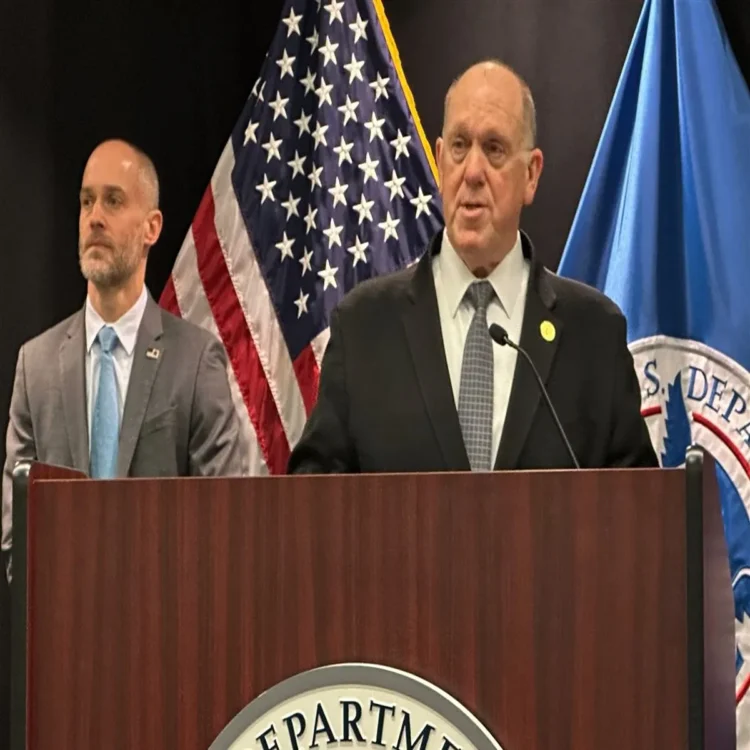
Senate Panel Reviews Minnesota Enforcement Operation
The Senate Homeland Security and Governmental Affairs Committee convened a hearing to examine what authorities described as “Operation Metro Surge,” an expansive federal action carried out by Immigration and Customs Enforcement in parts of Minnesota. The deployment came after days of public demonstrations and confrontations between federal agents and protesters.
The hearing unfolded against the backdrop of two fatal incidents involving federal officers. Renee Goode and Alex Preedy, both American citizens, were killed in separate encounters during the unrest. Their deaths became a central focus of the proceedings, with lawmakers from both parties pressing officials for answers.
Committee Chairman Senator Rand Paul said the purpose of the hearing was to rebuild public confidence in government institutions. He emphasized that recording law enforcement officers in public spaces is protected under the Constitution, underscoring the importance of civil liberties even during tense situations. Paul cautioned that inflammatory language from political leaders could further escalate already fragile conditions.
Allegations of Excessive Force and Narrative Disputes
Democratic members of the committee raised concerns about the methods used during the operation. Senator Gary Peters, the panel’s ranking member, criticized what he described as aggressive enforcement tactics. He argued that federal authorities had mischaracterized those involved in the incidents, suggesting that official statements unfairly portrayed the victims as dangerous agitators.
Minnesota Attorney General Keith Ellison offered pointed testimony, calling the deployment the largest concentrated immigration enforcement action in the state’s history. He urged federal authorities to scale back the operation, saying it had strained relations between communities and law enforcement. Ellison maintained that Minnesota was not obstructing lawful federal activity but distinguished between broad sweeps and targeted actions against individuals with final deportation orders. According to him, the latter approach has not been the source of controversy.
Republican Lawmakers Defend Federal Approach
Republican lawmakers countered that the surge was a necessary response to policies they believe have weakened immigration enforcement at the state level. Representative Tom Emmer argued that Minnesota’s leadership had created conditions that allowed undocumented individuals with criminal records to remain in the state. He described the unrest as avoidable and attributed it to local decisions that, in his view, limited cooperation with federal agencies.
The debate highlighted broader tensions over how states and federal authorities should coordinate on immigration matters. Supporters of the operation said it was aimed at upholding federal law and ensuring public safety, while critics warned of civil rights implications and strained community relations.
Federal Officials Respond to Questions
On a second panel, Acting ICE Director Todd Lyons defended his agency’s conduct. He told senators that officers had encountered significant resistance while attempting to carry out arrests, including physical assaults. Lyons firmly stated that U.S. citizens are not subject to immigration enforcement actions, rejecting claims that Americans were being targeted.
Customs and Border Protection Commissioner Rodney Scott echoed that sentiment and confirmed that filming federal officers in public settings is not illegal. He said both fatal incidents remain under investigation and pledged transparency once inquiries are complete. According to Scott, body camera footage will be released at an appropriate time to ensure accuracy and fairness in the review process.
Ongoing Debate Over Coordination
Lawmakers also explored whether clearer communication between Minnesota officials and federal agencies could prevent similar conflicts. Senator Paul suggested that better coordination regarding individuals with final deportation orders might reduce confusion and limit confrontations in the future.
As investigations continue, the Senate’s examination of Operation Metro Surge reflects a broader national conversation about immigration enforcement, public accountability, and the balance between security and civil liberties. For immigrant communities, including visa holders and permanent residents, the outcome of these discussions may shape both policy direction and public trust in the months ahead.