
EnergyCrisis – Iran Warns of Retaliation After Strikes on Fuel Facilities
EnergyCrisis – Iran has issued a strong warning to countries in the region, urging them to prevent further military attacks by the United States and Israel on its energy facilities. Iranian military officials cautioned that continued strikes could trigger reciprocal actions across the region, potentially escalating tensions and affecting global energy markets.
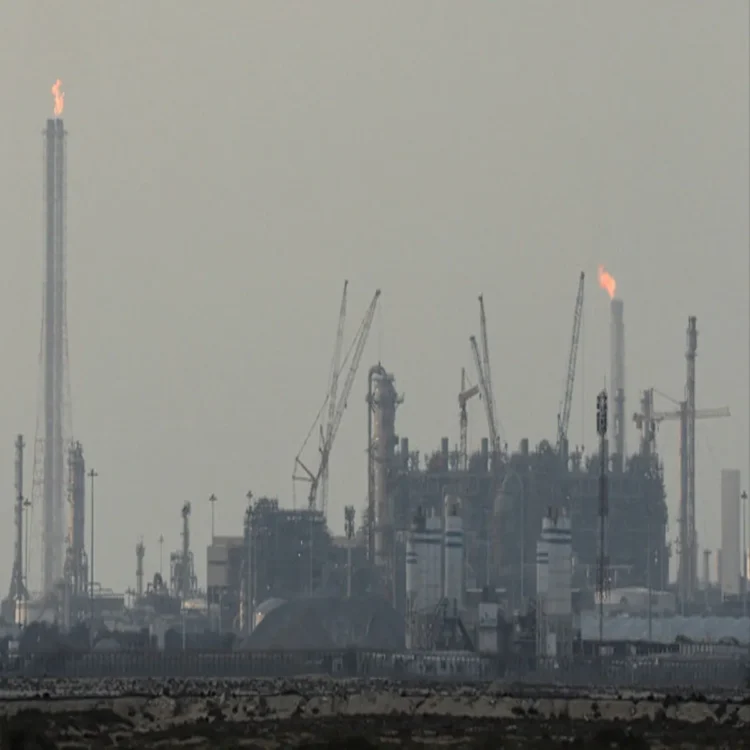
Iran Calls on Regional Nations to Act
Iran’s Khatam al-Anbiya Central Headquarters, a key military command body, appealed to Muslim-majority countries in the Middle East to intervene diplomatically. Officials said regional governments should caution Washington and Tel Aviv against targeting Iran’s fuel and energy infrastructure.
The warning was delivered by spokesperson Ebrahim Zolfaghari after several fuel storage sites in Tehran and the neighboring province of Alborz were struck late Saturday night. The attacks disrupted fuel supplies temporarily and raised concerns about potential environmental damage and public health risks.
Zolfaghari accused the United States and Israel of carrying out deliberate attacks on facilities that support essential services. According to him, the strikes not only damaged infrastructure but also resulted in civilian casualties.
Threat of Reciprocal Measures
Iran’s military leadership signaled that the country could respond with similar actions if the attacks continue. Zolfaghari suggested that further escalation could have wider consequences for the region, including serious impacts on global oil prices.
He warned that ongoing hostilities could push crude oil prices above $200 per barrel, highlighting the broader economic implications of the conflict. Such a surge could significantly affect energy markets worldwide and increase pressure on global supply chains.
Iranian officials stressed that their message to regional governments was intended to prevent the conflict from expanding further.
Background of Recent Escalation
The latest warning comes after a series of joint strikes reportedly carried out by Israel and the United States on February 28. Those attacks targeted multiple locations in Tehran and other Iranian cities.
According to Iranian sources, the strikes resulted in the deaths of several senior figures, including Supreme Leader Ali Khamenei, members of his family, high-ranking military commanders, and civilians. The developments have significantly heightened tensions in the region.
Following those strikes, Iran launched several waves of missile and drone attacks aimed at Israeli targets and United States military bases across the Middle East. These retaliatory actions marked one of the most intense exchanges between the parties in recent years.
Iran Claims Strike on Haifa Refinery
On Saturday, Iran’s Islamic Revolution Guards Corps said it had carried out an attack on a refinery located in Israel’s port city of Haifa. The operation was described as a direct response to the earlier strikes on Iranian energy infrastructure.
In a statement released through its official media outlet Sepah News, the IRGC said the facility was targeted using Kheibarshekan missiles. The group described the strike as retaliation for what it called aggression against Iran’s strategic energy sector.
The reported attack on the refinery has raised further concerns about the vulnerability of energy infrastructure across the region.
Damage to Iranian Fuel Facilities
Iran’s National Iranian Oil Refining and Distribution Company confirmed that several oil storage facilities in Tehran and Alborz provinces were struck during the Saturday night attacks.
Missiles reportedly hit multiple depots, causing fires that required emergency response teams to intervene. Firefighting units were deployed quickly to contain the flames and prevent further damage to surrounding areas.
Authorities said efforts were underway to stabilize the affected facilities and restore normal fuel supply operations as soon as possible.
Explosions Reported in Tehran
Residents in Tehran reported hearing large explosions across several parts of the capital during the latest wave of attacks late Saturday night. The blasts were described as powerful and were heard across multiple districts.
While officials have not released a full assessment of the damage, the attacks underscore the rising volatility in the Middle East and the potential for further escalation if hostilities continue.
Analysts warn that continued targeting of energy infrastructure could have far-reaching consequences, not only for regional security but also for global oil markets.