
Elections – Seven Women Win Seats in Bangladesh Polls
Elections – Seven women have secured seats in Bangladesh’s 13th parliamentary elections, marking a modest breakthrough in a contest that recorded the lowest level of female participation in recent years. According to unofficial results cited by local media on Friday, the victories come amid broader concerns about women’s limited presence in national politics.
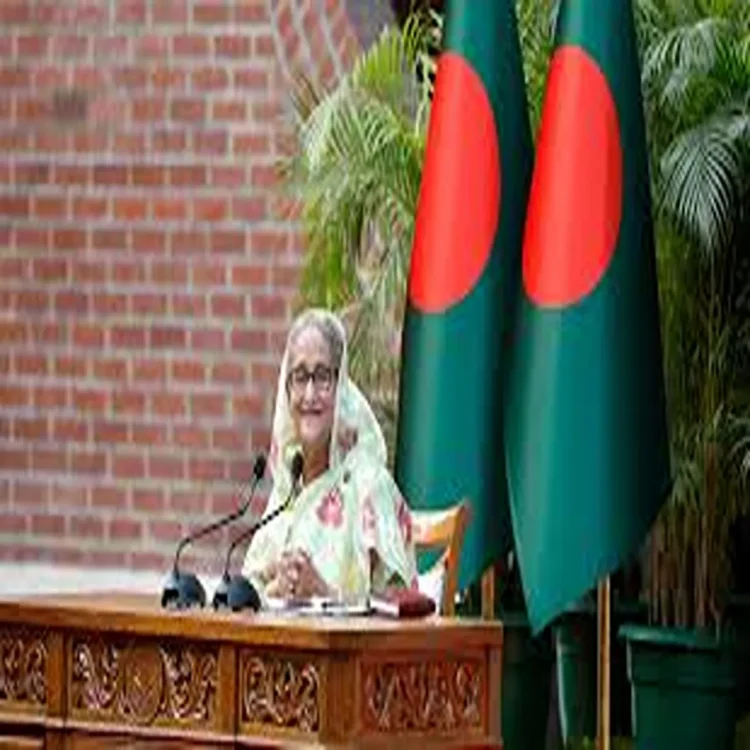
BNP Secures Majority With Six Female Winners
The Bangladesh Nationalist Party (BNP), poised to form the next government with an absolute majority, saw six of its female nominees win under the party’s paddy sheaf symbol. The outcomes provide a small but notable boost for women’s representation within the incoming administration.
Among the successful candidates is Afroza Khan Rita, elected from Manikganj-3. Israt Sultana Elen Bhutto claimed victory in Jhalokati-2, while Tahsina Rushdir Luna secured Sylhet-2. Shama Obaid won in Faridpur-2, and Nayab Yusuf Kamal emerged victorious in Faridpur-3. Farzana Sharmin Putul captured the Natore-1 constituency.
Each of these candidates now joins the new parliament at a time when the role of women in public life remains a topic of national and international discussion.
Independent Victory in Brahmanbaria-2
Rumin Farhana won the Brahmanbaria-2 seat as an independent contender. Previously affiliated with the BNP, she had been expelled from the party before the polls. Her victory adds an independent female voice to the new legislature, separate from the party-backed winners.
Local reporting described her win as one of the more closely watched races among women candidates.
UN Raises Concerns Over Harassment
As voters cast their ballots, the United Nations voiced concern about reports of intimidation and harassment targeting women candidates and voters. In a statement issued from the resident coordinator’s office in Dhaka, the UN stressed that participation in public life must remain safe and inclusive.
The statement noted an increase in digital abuse directed at women in politics, including cyberbullying, manipulated images, coordinated online attacks, and the spread of altered or sexualized content generated using artificial intelligence tools. The UN called for a zero-tolerance approach toward such practices, emphasizing that equal political participation is a fundamental right.
Sharp Gender Gap in Candidate List
Data released last month by Bangladesh’s Election Commission underscored the significant imbalance in candidate representation. Out of 2,568 individuals contesting the February 12 elections, only 109 were women, accounting for just 4.24 percent of the total. Of these, 72 were nominated by political parties, while the remainder ran as independents.
Despite women making up roughly half of the country’s population, their presence among parliamentary hopefuls remains disproportionately low.
The disparity was particularly evident among certain political parties. Jamaat-e-Islami fielded 276 candidates without including a single woman. Islami Andolan Bangladesh nominated 268 candidates, also without female representation.
Although the BNP has historically been led by a woman for decades, it nominated only 10 women among its 328 aspirants for the 300 parliamentary seats.
Several other parties also excluded women entirely from their candidate lists. Bangladesh Khilafat Majlis fielded 94 candidates, Khilafat Majlis nominated 68, and the Bangladesh Islami Front put forward 27—all of them men.
Wider Debate on Women’s Political Inclusion
The election results arrive against the backdrop of growing debate over women’s role in governance. During the eighteen-month tenure of the interim government led by Muhammad Yunus, advocacy groups and critics raised concerns about rising incidents of violence against women and children, along with limited inclusion of women in key decision-making positions.
While seven electoral victories represent progress for the individual candidates involved, the overall figures point to persistent structural barriers. Observers note that meaningful improvement in women’s political participation will likely depend on broader reforms within party nomination processes and stronger protections against harassment, both online and offline.
For now, the newly elected women lawmakers are set to take their seats in parliament, entering an institution where female representation continues to fall far short of parity.