
ElectionBan – Supreme Court Seeks ECP Reply on Imran Khan Disqualification
ElectionBan – The Supreme Court has formally sought a response from the Election Commission of Pakistan (ECP) over the five-year electoral disqualification imposed on former Prime Minister Imran Khan following his conviction in the Toshakhana case. The notice was issued during proceedings that examined a series of petitions filed by the Pakistan Tehreek-e-Insaf (PTI) founder challenging the ban.
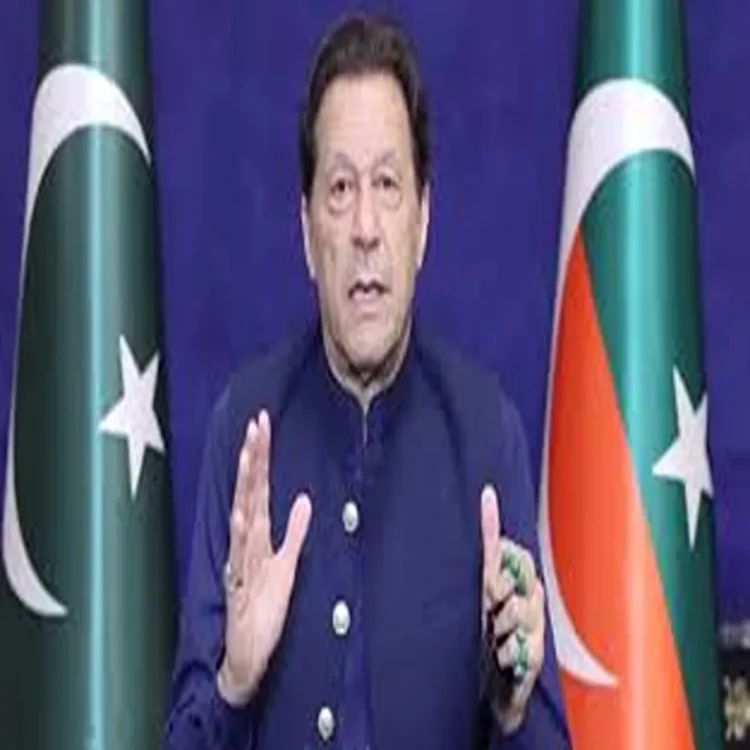
Bench Reviews Petitions Filed by PTI Founder
A three-member bench headed by Justice Muhammad Hashim Khan Kakar heard the matter on Wednesday. The courtroom saw the presence of several prominent political figures, including National Assembly Opposition Leader Mehmood Khan Achakzai, Senate Opposition Leader Raja Nasir Abbas, Khyber Pakhtunkhwa Chief Minister Sohail Afridi, PTI interim chairman Barrister Gohar Ali Khan, and senior lawyer Barrister Ali Zafar.
The petitions question the legal standing of the disqualification that followed Khan’s conviction in the assets concealment case. The Supreme Court indicated that clarity from the Election Commission was essential before any determination could be made.
Questions Over Delay in Challenging Disqualification
During the hearing, Justice Salahuddin Panwhar asked why the notification declaring the disqualification had not been legally contested at an earlier stage. The observation underscored concerns about procedural timing and the strategy adopted by the defence.
Justice Kakar also stressed that the court needed to hear directly from the Election Commission to better understand the legal basis for imposing the electoral ban. Without the ECP’s position on record, the bench suggested that it would be difficult to evaluate the matter comprehensively.
Legal Debate Over Conviction and Sentence Suspension
Representing Khan, senior counsel Sardar Latif Khosa argued that although the sentence handed down in the Toshakhana case had been suspended, the conviction itself remained formally intact. He maintained that this distinction should be taken into account when considering the impact of the disqualification.
Justice Kakar pointed out, however, that the defence had specifically sought suspension of the sentence from the Islamabad High Court rather than a suspension of the conviction. The court had granted exactly what was requested — relief limited to the sentence.
Khosa attempted to draw support from a 2019 Supreme Court ruling in the Nasir Mehmood case, suggesting that suspending a sentence effectively halts the operation of the judgment. In response, Prosecutor General Islamabad Sarwar Nahang clarified that the law treats suspension of a sentence and suspension of a conviction as two separate legal remedies, each with distinct consequences.
Court Refers to 2019 Precedent
The bench directed counsel to carefully review a specific section of the 2019 judgment being cited. That ruling makes it clear that unless a conviction is explicitly suspended or overturned on appeal, it remains legally effective. Consequently, any disqualification flowing from such conviction continues to apply.
Justice Kakar observed that relying on a precedent that appeared to contradict the defence’s own position weakened the case for immediate relief. In a lighter moment, the judge remarked humorously on counsel’s reading of the judgment, drawing brief laughter in the courtroom.
Nonetheless, the bench reiterated that it would require the Election Commission’s explanation before moving forward.
Proceedings Deferred Without Date
After preliminary arguments, the Supreme Court deferred further proceedings without specifying a new hearing date. The matter will resume once the Election Commission submits its response.
In a related development, the same bench adjourned proceedings in the cipher case involving former Foreign Minister Shah Mehmood Qureshi after Special Prosecutor Zulfikar Naqvi requested additional time.
Separately, appeals connected to a defamation lawsuit filed by Prime Minister Shehbaz Sharif against Imran Khan were also postponed. The court indicated that those appeals would be taken up after Ramazan.
The latest hearing reflects the continuing legal and political ramifications of the Toshakhana case, which remains central to the evolving legal challenges facing the former prime minister.