
Congress – Michigan Urologist Anil Kumar Enters House Race
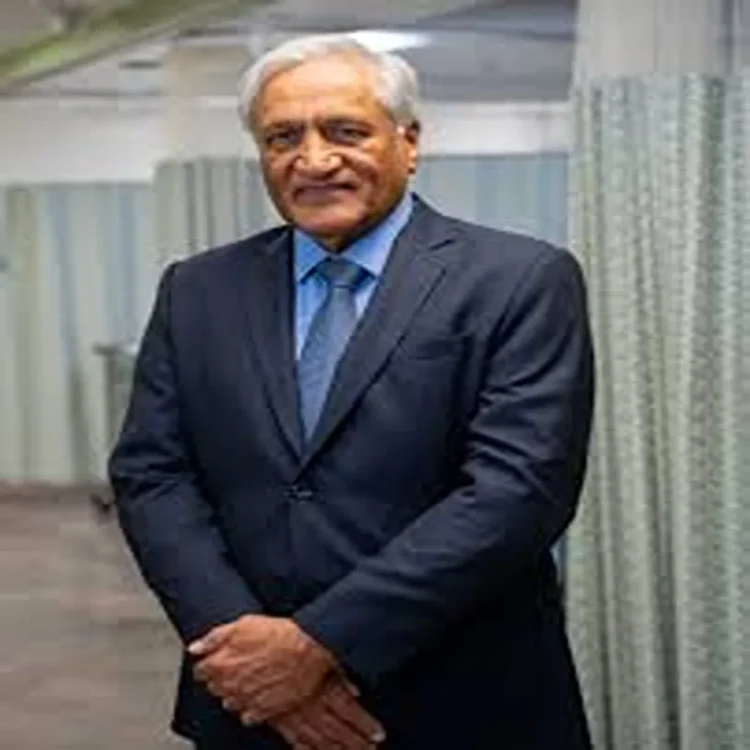
Congress – Indian-American physician Dr. Anil Kumar has formally entered the race for the US House of Representatives from Michigan’s 11th Congressional District, positioning himself as an independent candidate in a contest opened by the departure of incumbent Democrat Haley Stevens. Stevens is pursuing a seat in the US Senate, leaving the suburban Detroit-area district without an incumbent for the first time in years.
Open Seat Creates Rare Political Opportunity
Speaking about his decision, Kumar said the absence of a sitting lawmaker provides a practical opportunity for new voices to compete. Michigan’s 11th District includes nearly 750,000 residents, with voter turnout typically reaching about 200,000 in congressional elections. Open-seat races, he noted, are uncommon and can level the playing field for candidates outside the traditional party structure.
The district, once considered competitive, has leaned Democratic since recent redistricting reshaped its boundaries. Still, Kumar believes shifting voter sentiment could alter the dynamics of the race.
Healthcare Concerns Drive Campaign Message
A practicing urologist for decades, Kumar traces his political ambitions back more than ten years to concerns about the direction of the American healthcare system. Despite annual spending that exceeds $4 trillion nationwide, he argues that outcomes do not match the investment.
He said conversations with patients who struggled to afford prescriptions and treatments left a lasting impression. According to Kumar, the gap between rising medical costs and access to care convinced him that structural reforms are necessary.
Healthcare policy now sits at the center of his campaign platform, alongside proposals aimed at improving cost efficiency and expanding access.
Education and University Governance Experience
Beyond medicine, Kumar has also been active in higher education leadership. He currently serves on the Board of Governors at Wayne State University, an elected statewide position. He pointed out that more than a million Michigan residents participated in that election, reflecting public engagement in university governance.
Kumar has raised concerns about student preparedness across both urban and rural communities, arguing that literacy and math proficiency rates signal deeper systemic problems. Education reform, he said, is as urgent as healthcare reform.
Break From Party Politics
Kumar previously sought congressional office three times as a Democrat. This year, however, he is running without party affiliation. He described the move as a response to what he sees as rigid party structures that limit independent thinking among elected officials.
He contends that candidates supported by major parties often remain tied to party directives once in office. Running as an independent, he said, would allow him to advocate more freely on issues ranging from domestic policy to matters affecting the Indian American community.
Nationally, voter identification trends have shown a rise in Americans who consider themselves politically independent. Kumar believes that sentiment, combined with dissatisfaction among segments of Democratic primary voters, could benefit his campaign.
Personal Journey From India to Michigan
Kumar’s path to politics began far from Washington. Born in Jaipur and later educated in Mumbai, he moved to the United States in the 1980s. Wayne State University sponsored his green card in 1984, anchoring his professional and personal life in Michigan.
He describes himself as deeply connected to his Indian heritage while also expressing strong support for American democratic institutions. That dual identity, he says, shapes his perspective on public service.
Call for Greater Civic Participation
A recurring theme in Kumar’s campaign is political engagement among Indian Americans. He has urged members of the community to become more active in civic life, whether through volunteering, local office participation, or financial contributions to campaigns.
While Indian Americans are widely recognized as one of the most economically successful immigrant groups in the United States, their representation in elected office remains limited compared to their demographic growth. Kumar argues that sustained involvement at local and national levels is essential for long-term influence.
As the race in Michigan’s 11th District begins to take shape, Kumar’s independent bid adds a new dimension to an already evolving political landscape. Whether voter frustration with traditional party politics translates into electoral support will become clearer as the campaign progresses.