
Ceasefire – Lebanon Pushes Peace Plan as Fighting Disrupts Talks
Ceasefire – Lebanese President Joseph Aoun has reiterated that a proposed roadmap aimed at ending hostilities between Israel and the Iran-backed group Hezbollah remains under consideration, despite ongoing violence complicating progress. His remarks came during a meeting with French Foreign Minister Jean-Noel Barrot in Beirut on Thursday.
Ceasefire Proposal Faces Growing Challenges
According to an official statement from the Lebanese presidency, Aoun emphasized the urgent need for a ceasefire and called for firm guarantees from all involved sides to ensure any agreement holds. He noted that while the proposal has not been withdrawn, continuous military escalation is making it difficult to initiate meaningful negotiations.
The framework, introduced earlier this month, includes a comprehensive truce with Israel, increased backing for the Lebanese armed forces to strengthen internal security, and a pathway toward direct discussions between Beirut and Tel Aviv.
Escalation Intensifies Regional Tensions
Lebanon became directly involved in the wider regional conflict on March 2, when Hezbollah launched rockets toward Israel. The move was described as a response to the killing of Iran’s Supreme Leader, Ali Khamenei, during joint Israeli-US military operations.
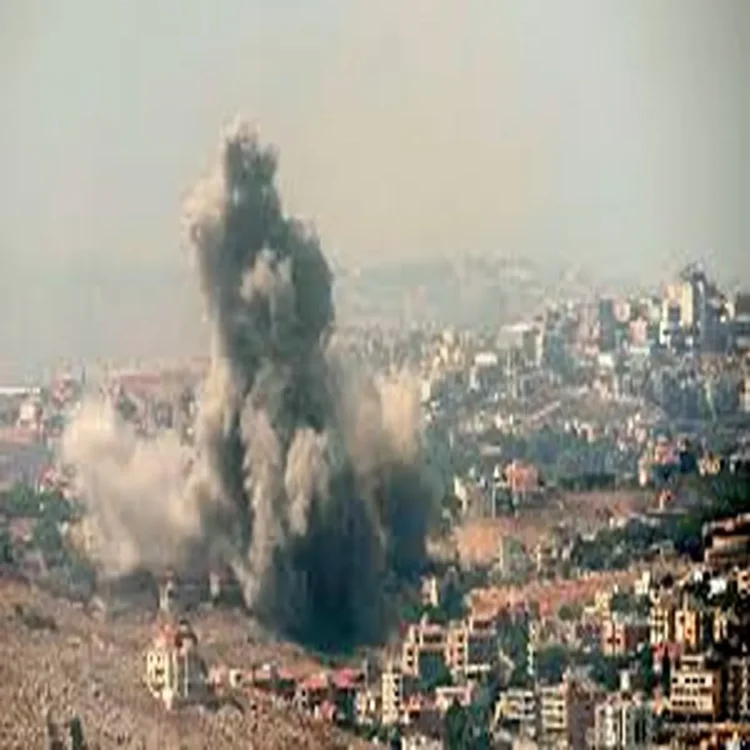
Israel responded with extensive air raids across Lebanese territory, along with limited ground operations near the southern border. These actions have resulted in significant casualties, with reports indicating over 1,000 deaths in Lebanon. On the Israeli side, the military confirmed the deaths of two soldiers during clashes in southern Lebanon.
Aoun stressed that halting the cycle of escalation remains the immediate priority, warning that continued violence risks derailing diplomatic efforts entirely.
France Signals Support for Lebanon
Barrot’s visit to Beirut was described by the French foreign ministry as a gesture of solidarity with the Lebanese population, who, officials say, have been drawn into a conflict beyond their control. During his trip, the French minister held discussions with several senior Lebanese leaders and visited a school near Beirut that has been converted into a shelter for displaced families.
France has maintained an active diplomatic role in the region, advocating for de-escalation and humanitarian support. The visit also reflects broader European concerns about the potential expansion of the conflict.
Macron Backs Direct Negotiations
French President Emmanuel Macron has also voiced support for renewed diplomatic engagement. Speaking in Brussels following a European summit, Macron expressed hope that Israel would agree to direct talks with Lebanon.
He indicated that such negotiations would require formal approval from Israel and the establishment of official delegations from both sides. France has offered to host potential discussions in Paris, building on its earlier involvement in supporting a ceasefire agreement between Israel and Hezbollah in 2024.
However, Macron dismissed reports suggesting that France had proposed Lebanon formally recognize Israel as part of any agreement, clarifying that no such condition is under consideration.
Diplomatic Efforts Continue Amid Uncertainty
Following his visit to Lebanon, Barrot is scheduled to travel to Israel for further talks with Israeli officials. The discussions are expected to focus on the evolving security situation, humanitarian concerns, and possible avenues to reduce tensions.
This marks Barrot’s first trip to Israel since France recognized the State of Palestine last year, a move that strained relations with the Israeli government.
As diplomatic efforts continue, the situation on the ground remains volatile. While proposals for a ceasefire are still being discussed, their success will depend heavily on whether both sides are willing to step back from ongoing military actions and engage in sustained dialogue.