
Bangladesh Crisis: Bangladesh Political Landscape Shifts Ahead of February Elections Amid Rising Tensions
Bangladesh Crisis: Bangladesh is entering a decisive phase in its political journey as preparations for the upcoming general elections intensify. With democratic expectations running high, recent statements from Chief Advisor Muhammad Yunus, developments around international diplomacy, and domestic unrest linked to political violence have brought the country into sharp global focus. The coming weeks are expected to test the resilience of Bangladesh’s interim administration and its commitment to restoring public trust in the electoral process.
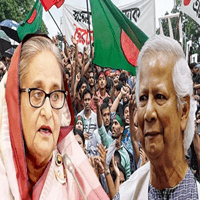
Commitment to February Elections and Democratic Transition
Chief Advisor Muhammad Yunus has reiterated that the general elections will be held on February 12, reaffirming the interim government’s stance on restoring democratic norms. According to Yunus, citizens across the country are eager to reclaim their voting rights after years of political uncertainty. He emphasized that the right to vote had been undermined under the previous regime, and the upcoming election represents a critical opportunity for national renewal.
Yunus made these remarks during a detailed telephone conversation with Sergio Gor, the United States Special Envoy for South and Central Asia. The discussion reflected growing international attention on Bangladesh’s political transition and the importance of ensuring credibility in the electoral process. Yunus expressed confidence that the administration is prepared to handle potential disruptions and remains focused on delivering a transparent and peaceful election.
Dialogue with the United States on Trade and Governance
The conversation between Yunus and Sergio Gor extended beyond elections, covering trade relations and tariff negotiations between Bangladesh and the United States. Yunus highlighted recent progress in economic diplomacy, noting that Bangladesh successfully reduced reciprocal tariffs imposed by the US on Bangladeshi goods to 20 percent. This development was seen as a positive signal for bilateral trade and economic stability during a politically sensitive period.
Gor reportedly congratulated Yunus on his leadership during the negotiations, underlining Washington’s recognition of Bangladesh’s efforts to balance economic priorities with democratic reforms. The discussion also touched on Bangladesh’s broader democratic transition, indicating that international partners are closely monitoring how the interim government navigates both governance and economic challenges.
Allegations of Disruption and Preparedness of the Interim Government
Yunus acknowledged concerns that supporters of the ousted autocratic regime are allegedly attempting to destabilize the electoral environment. He claimed that large sums of money are being used to disrupt the process and that fugitive political figures are inciting violence from abroad. Despite these challenges, Yunus asserted that the interim government is fully prepared to maintain law and order.
With less than two months remaining before the polls, the administration has stressed its determination to make the election not only free and fair but also memorable for its integrity. Security arrangements, administrative oversight, and coordination with law enforcement agencies are expected to play a central role in ensuring voter confidence.
Rising Demands for Justice in Osman Hadi Killing
Political tensions have further escalated following the killing of young political activist Sharif Osman Hadi. The platform Inqilab Moncho has demanded that those responsible for the murder be brought to justice before the national election and a planned referendum. The group has called for the formation of a judicial tribunal with international involvement, including agencies such as the FBI and Scotland Yard, to ensure an impartial investigation.
According to reports, Inqilab Moncho has outlined several demands, including the prosecution of alleged collaborators within civil and military intelligence structures. The group has also urged key advisors within the interim government to provide explanations regarding the case and step down from their positions if necessary. These demands reflect growing public frustration over accountability and transparency.
Threat of Mass Movement Against Interim Government
Inqilab Moncho has warned that failure to deliver justice in the Hadi killing could trigger a mass movement aimed at removing the interim government. The warning was issued during an emergency press conference, signaling the seriousness of the group’s stance. Leaders of the platform claim that a 24-hour ultimatum issued after Hadi’s funeral prayers has passed without meaningful action from authorities.
Such warnings have added pressure on the Yunus administration, which is already navigating a complex political environment. The possibility of widespread protests raises concerns about stability in the lead-up to the election and underscores the urgency of addressing high-profile cases of political violence.
Police Investigation and Lack of Breakthrough
Bangladesh Police have acknowledged that they currently lack specific information regarding the whereabouts of the prime suspect in the Hadi killing. Senior police officials stated that law enforcement and intelligence agencies are actively working to locate the suspect, identified as Faisal Karim Masud. Authorities have clarified that there is no confirmed evidence suggesting the suspect has fled the country.
The absence of concrete progress in the investigation has fueled criticism from political groups and civil society. For many observers, the case has become a symbol of broader concerns about justice, security, and the rule of law during a sensitive transitional period.
Suspension of Visa Services Amid Diplomatic Strain
Adding another layer to the unfolding situation, Bangladesh has suspended visa services at its high commission in New Delhi and its mission in Tripura. The decision comes amid mounting strain in relations with India, following protests outside Bangladeshi diplomatic missions. Officials cited unavoidable circumstances as the reason for the suspension.
The move reflects the interconnected nature of domestic politics and foreign relations, particularly at a time when Bangladesh is seeking international support for its democratic transition. How long the suspension will last remains unclear, but it highlights the broader regional implications of internal political developments.
Looking Ahead to a Critical Moment
As February approaches, Bangladesh stands at a crossroads. The interim government’s ability to conduct credible elections, address demands for justice, and maintain stability will shape the country’s political future. International partners, domestic stakeholders, and ordinary citizens alike are watching closely. The coming weeks will determine whether Bangladesh can successfully turn this period of uncertainty into a foundation for democratic renewal.