
AfghanJournalists – Pakistan Crackdown on Afghan Refugee Journalists Raises Global Concern
AfghanJournalists – A major international organisation advocating for press freedom has voiced deep concern over what it describes as a growing pattern of repression against Afghan refugees in Pakistan, including journalists who fled their country after the Taliban takeover. The organisation warned that several Afghan media professionals living in exile are facing arrest and the risk of deportation, developments that could place them in grave danger if they are forced to return to Afghanistan.
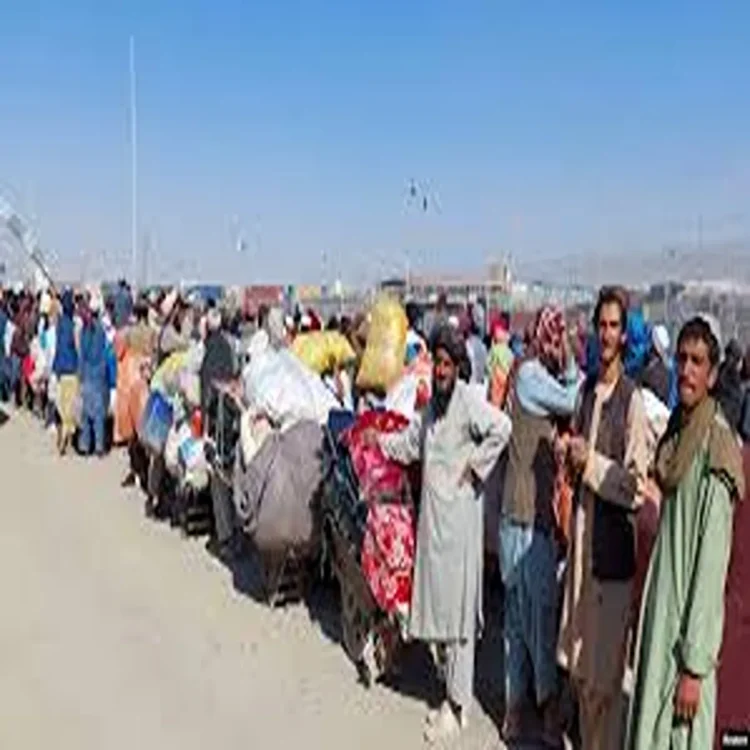
Rising tensions between Pakistan and Afghanistan
Reporters Without Borders (RSF) said the situation has worsened amid rising hostilities between Pakistan and Afghanistan. According to the organisation, tensions escalated sharply after Pakistan announced on February 27 that it considered the situation with Afghanistan to be an “open war.”
RSF believes the current political and military climate is being used as justification for intensified actions against Afghan refugees. The organisation stated that Afghan journalists who sought safety in Pakistan are now encountering arrests and threats of deportation, placing them at risk of severe consequences if they are sent back to Taliban-controlled Afghanistan.
Arrests of exiled journalists increase
In the past week alone, several Afghan journalists living in Pakistan have reportedly been taken into custody. RSF noted that those detained are being held in various detention centres. These recent arrests add to nearly twenty cases documented by the organisation since the beginning of 2026.
The group also reported that at least six Afghan journalists receiving assistance from RSF were forcibly sent back to Afghanistan within the past two weeks. With these latest deportations, the total number of such cases recorded since January has reached nine.
Human rights advocates warn that deporting journalists back to Afghanistan could expose them to retaliation because many of them previously reported on political or social issues considered sensitive by the Taliban authorities.
Reports of intimidation and pressure
Several Afghan journalists interviewed by RSF described increasing pressure from local authorities. One journalist explained that police checks targeting Afghan residents have become more frequent since the end of February.
According to the journalist, officers have been conducting repeated inspections and operations in neighbourhoods where Afghan refugees live. Such actions have created an atmosphere of uncertainty among those who sought refuge in the country after fleeing Afghanistan.
Other journalists shared accounts of financial demands allegedly made by security officials outside any formal legal process. These claims suggest that some refugees have been compelled to pay significant amounts of money in order to avoid deportation.
One journalist told RSF that he spent an entire day in a police detention centre before being released. He said he had to pay 115,000 Pakistani rupees, roughly equivalent to 400 US dollars, to prevent deportation and secure his freedom. Shortly afterward, he said, his landlord asked him to vacate the rented property, leaving him uncertain about his future.
Journalists fled Taliban restrictions
RSF emphasized that many Afghan journalists currently in Pakistan left their homeland after the Taliban imposed strict limitations on media activity. Since returning to power in 2021, the Taliban authorities have introduced measures that significantly restrict independent journalism and freedom of expression.
Numerous media outlets in Afghanistan have closed or reduced operations, and reporters who continue to work in the country face strict regulations and possible punishment for coverage considered critical.
Because of these conditions, many journalists chose to leave Afghanistan in search of safety and the ability to continue their profession.
Call for protection and legal safeguards
Celia Mercier, head of RSF’s South Asia desk, urged Pakistani authorities to reconsider current actions against Afghan journalists. She said the present security tensions should not serve as a reason to carry out arbitrary arrests or deportations.
Mercier stressed that returning journalists to Afghanistan could expose them to serious threats, including detention, violence, or other forms of retaliation. She called on Pakistan to respect the international principle of non-refoulement, which prohibits sending individuals back to places where they may face persecution.
RSF also urged the Pakistani government to halt arrests and deportations of Afghan journalists and to ensure that those seeking protection receive proper legal safeguards.
Part of a broader refugee policy
The organisation noted that the recent developments appear to be linked to a broader policy adopted by Pakistan in 2023 aimed at removing large numbers of Afghan refugees from the country. That policy emerged during a period of strained relations between Islamabad and the Taliban administration in Kabul.
As political tensions persist between the two neighbouring countries, human rights groups say the situation of Afghan refugees, particularly journalists, remains increasingly uncertain.