
Afghanistan – US Accuses Taliban of Wrongful Detention of American Citizens
Afghanistan – The United States has formally classified Afghanistan under the Taliban administration as a state responsible for wrongful detention, with Washington demanding the immediate release of American citizens currently being held in the country. US Secretary of State Marco Rubio made the announcement on Monday, sharply criticizing the Taliban leadership and urging them to end what he described as the unjust detention of US nationals.
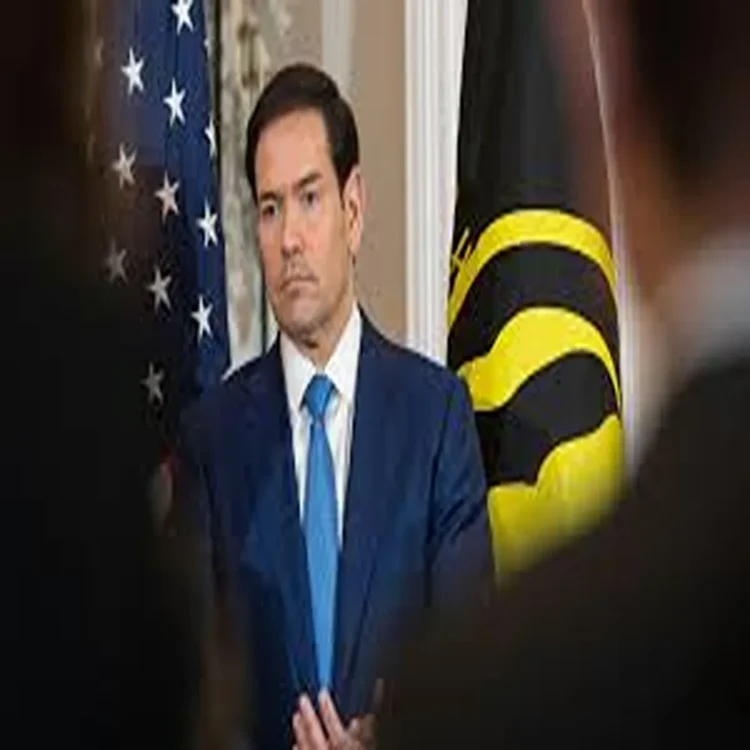
Washington Condemns Taliban Detention Practices
In an official statement, Rubio said the Taliban had continued to rely on tactics that resemble hostage diplomacy, accusing the group of detaining individuals to pressure governments or extract concessions. According to the statement, such practices mirror methods historically associated with extremist groups and are unacceptable under international norms.
Rubio warned that the continued detention of foreign nationals raises serious safety concerns for Americans in the region. He reiterated that travel to Afghanistan remains highly dangerous for US citizens and urged the Taliban authorities to immediately change course.
The US government specifically called for the release of Dennis Coyle, Mahmood Habibi, and any other American citizens believed to be unjustly detained in Afghanistan. Rubio emphasized that these individuals must be freed without conditions and that the Taliban should permanently abandon what he referred to as hostage diplomacy.
Case of Dennis Coyle Draws Attention
One of the cases highlighted by US officials involves Dennis Coyle, a 64-year-old American academic who was detained in January last year. Reports indicate that Coyle was taken into custody by the Taliban’s General Directorate of Intelligence.
Family members have stated that Coyle had been working legally in Afghanistan as a researcher supporting local language communities. They maintain that he had not violated any laws and had been engaged in academic work at the time of his detention.
The US State Department officially designated Coyle as wrongfully detained in June of last year. According to statements from his family, his conditions in custody have raised serious concerns. They claim he has been held in near-isolation, with restrictions on basic daily activities and limited access to proper medical care.
Uncertainty Surrounds Mahmood Habibi
Another case drawing attention is that of Mahmood Habibi, a 38-year-old American citizen who was born in Afghanistan. Habibi previously served as a director within the Afghan civil aviation sector before working with a private telecommunications company.
Reports indicate that Habibi was taken from his vehicle in Kabul in August 2022. Although 29 employees from the same company were later released, Habibi’s location and condition remain unknown. US officials say the Taliban has yet to provide clear information about his status.
The uncertainty surrounding his disappearance has continued to alarm both US authorities and his family members, who have repeatedly called for answers.
Long Shadow of the Afghanistan War
The current diplomatic tension comes several years after the Taliban regained control of Afghanistan in 2021 following the withdrawal of US and allied forces. The end of the two-decade military mission marked the conclusion of the longest war in American history.
Research from Brown University’s Costs of War Project estimates that the conflict required roughly 2.3 trillion dollars in US spending. The human toll was also significant, with 2,324 US service members, 3,917 American contractors, and more than 46,000 Afghan civilians losing their lives during the war.
Analysts have also noted the long-term financial burden of caring for veterans of the conflict. Projections suggest that medical treatment and related support for veterans could cost between 2.2 trillion and 2.5 trillion dollars by 2050.
Taliban Rule Faces Limited Internal Opposition
Despite the economic and human costs of the war, recent analysis suggests that the Taliban government currently faces little organized resistance within Afghanistan. A March 2025 report by the Congressional Research Service stated that no major political or armed movement currently poses a serious threat to the group’s control of the country.
However, international criticism of the Taliban government continues to grow. Human rights organizations and several governments have repeatedly raised concerns about strict policies imposed on Afghan women and girls, including severe restrictions on education, employment, and public life.
US officials say the issue of detained American citizens will remain a priority in diplomatic discussions concerning Afghanistan.