
UTIs: A guide to gendered bladder health Why men have prostate problems and women experience more
UTIs: Bladder problems seldom make a dramatic entrance. They start off subtly, with a little sense of urgency, a diminished stream, and discomfort that appears at inappropriate moments, before they begin to influence everyday activities. Additionally, while urinary issues may affect both men and women, the causes of these symptoms might vary significantly.
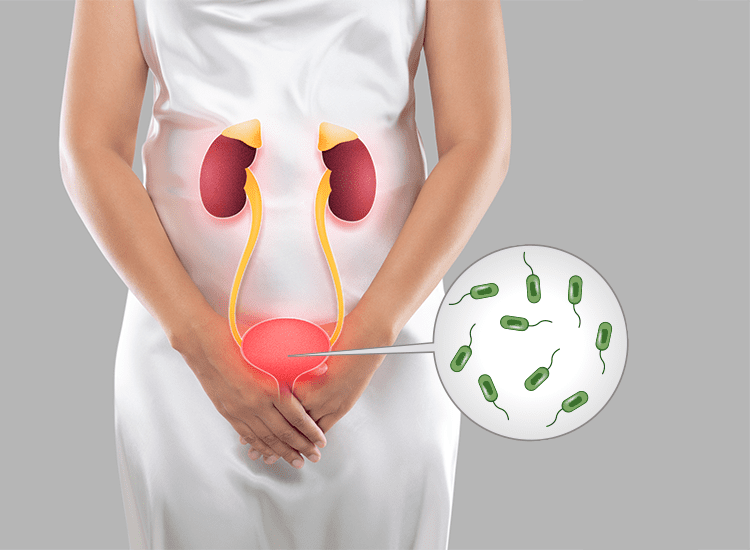
Let’s dissect the gender-specific differences in anatomy, hormones, lifestyle triggers, and therapeutic approaches. This will enable you to identify early warning indicators and seek appropriate treatment as needed.
The basis for bladder differences is anatomy.
Structure alone explains why certain urinary problems affect women earlier and more often than males, according to Dr. Piyush Tripathi, Associate Director–Urology at Regency Health, Kanpur.
Women are more susceptible to UTIs due to their shorter urethras.
The urethra is much shorter in women, which facilitates urination but gives germs a faster route to the bladder. Because of this, women are far more likely than males to have urinary tract infections.
The pressure point is the male prostate.
Men’s prostates are positioned slightly below the bladder and form a ring around the urethra. Even a little enlargement with age may cause the urinary tract to shrink, which can result in:
Poor urine flow
Frequent urination at night
The most frequent cause of bladder symptoms in older men is a sensation of incomplete emptying, which is caused by blockage associated to the prostate.
Women’s bladder health is influenced by hormones, whereas men’s prostate changes
Bladder function is directly influenced by women’s hormones.
The urethral and bladder tissues are kept robust, flexible, and resistant to infection by estrogen. Particularly for women whose pelvic floor has already been impacted by delivery, declining estrogen levels after menopause may weaken these tissues, resulting in urgency, recurring infections, and stress incontinence.
The key to change in males is the prostate, not hormones.
The bladder is far less directly impacted by male hormones. Instead, the primary cause is age-related prostate enlargement, which increases urine flow resistance and progressively wears down the bladder muscle.
Various time periods: Men later, women first
For women, issues often begin considerably earlier in life due to pregnancy, childbirth, and hormonal changes throughout the menstrual cycle. Pelvic floor weakness, incontinence, and overactive bladder may all begin early and worsen if left untreated.
Men often experience the symptoms after the age of 50, since this is when the prostate enlargement becomes more noticeable. If symptoms are ignored for years, the bladder may gradually weaken, stretch, and even retain water.
How men and women are being affected differently by lifestyle choices.
For each gender, certain behaviors have a varied impact on bladder health:
For Ladies
Urinary symptoms may also be made worse by weight fluctuations, persistent constipation, and pelvic tension associated with delivery.
For males
Smoking, excessive alcohol use, and untreated metabolic diseases may all make prostate issues worse.
Regardless of sex, common behaviors that impair bladder function include dehydration, excessive coffee use, extended periods of inactivity, and retaining pee for extended periods of time.
Gender-specific diagnosis and therapy are necessary.
Because reasons vary, there is no one-size-fits-all approach to medical examination.
For Ladies
A doctor’s examination often involves a review of the patient’s history of delivery, hormonal factors, infection patterns, and pelvic floor strength. Hormone support, pelvic physical therapy, and overactive bladder medicines are among possible treatments.
For males
Exams may include scans to look for blockage, urine flow investigations, and prostate assessment. Prostate-relaxing drugs and, if necessary, minimally invasive surgeries are among the solutions.