
Sialorrhea (Drooling While Sleeping): Common Causes of Natural Ways to Avoid It
Sialorrhea (Drooling While Sleeping): We often find our pillows damp when we get up in the morning. Sleeping while drooling is a typical issue that affects both adults and children. ‘Sialorrhea’ is the medical word for this condition. Below is comprehensive information on the causes of this ailment and how to avoid it.
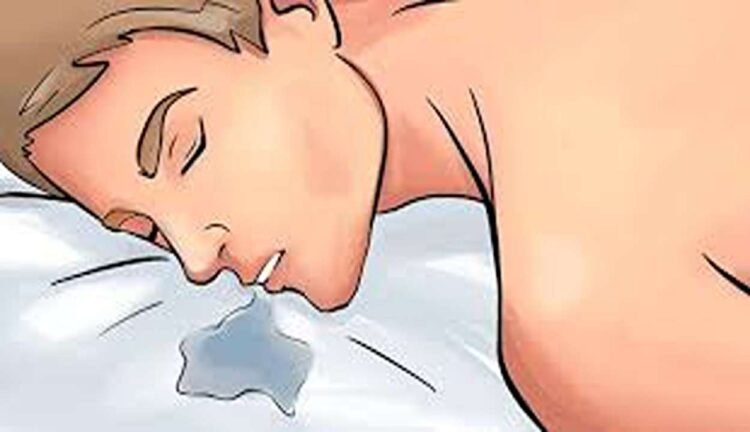
Why does drooling happen when you’re asleep?
1. Incorrect sleeping position: Gravity causes saliva that builds up in your mouth to flow out if you sleep on your stomach or side. Those who sleep on their backs are less likely to have this issue.
2. nose Congestion: We involuntarily begin breathing through our lips when the nose channel is obstructed by a cold, allergies, or sinusitis. Saliva tends to spill out when the mouth is open.
3. Acidity or Gastroesophageal Reflux (GERD): The salivary glands begin to produce more saliva during sleep if there are digestive issues or an increase in the body’s acidity.
4. Sleep Disorder (Sleep Apnea): Drooling is another symptom of sleep apnea, which is characterized by difficulty breathing while you sleep.
5. Drug side effects: Certain drugs, such as antipsychotics or drugs for Alzheimer’s disease, might speed up the production of saliva.
How to stop drooling
Modify your sleeping position: Make an effort to spend as much time as possible on your back. As a result, saliva might pass down the throat rather than out.
Nasal hygiene: Before you go to bed, wash your nose. Steam can help you breathe through your nose if you have a cold.
Drink plenty of water since dehydration causes the saliva to thicken. As a result, stay hydrated throughout the day. Eating lemon water: Either drinking lemon water or chewing a slice of lemon before bed helps reduce excessive salivation.