
iPhone SE: Apple’s 2025 Product Streamlining Signals a New Hardware Philosophy
iPhone SE: As 2025 comes to a close, Apple’s product ecosystem looks noticeably more focused than it did just twelve months earlier. Rather than expanding its catalog, the company has spent the year quietly refining it. Across smartphones, tablets, wearables, computers, and accessories, Apple has retired a wide range of familiar devices. This was not a sudden shift or reactionary move but a carefully paced transition aimed at simplifying choices, removing legacy designs, and aligning the entire lineup with modern hardware standards. The result is a leaner portfolio that reflects Apple’s long-term vision rather than short-term experimentation.
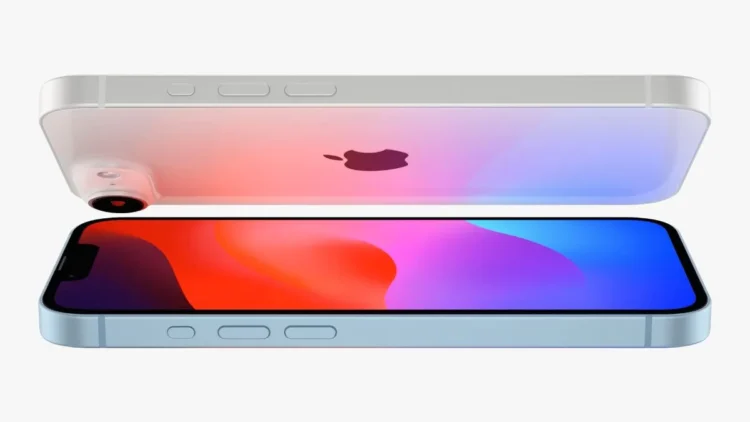
The Final Goodbye to the iPhone SE Identity
One of the most emotionally significant changes of 2025 was the discontinuation of the third-generation iPhone SE. For nearly a decade, the SE line represented a bridge between classic iPhone design and newer internal technology. It appealed to users who valued compact size, Touch ID, and a traditional Home button experience.
With the introduction of the iPhone 16e, Apple officially closed that chapter. This move marked the end of smaller LCD displays, sub-six-inch form factors, and the physical button era that defined earlier iPhones. The decision reflects Apple’s belief that its future lies in uniform design language, edge-to-edge displays, and Face ID-driven interaction. While the SE once played a critical role in attracting budget-conscious users, 2025 made it clear that Apple is no longer interested in maintaining older design philosophies alongside modern devices.
The Gradual Exit of the iPhone Plus Models
Another notable shift came with the quiet removal of the iPhone Plus models. During 2025, both the iPhone 14 Plus and iPhone 15 Plus were removed from active sales channels. Industry expectations suggest that the iPhone 16 Plus may also face a similar fate, further reinforcing Apple’s changing approach to large-screen phones.
Instead of positioning the Plus as a middle ground between standard and professional models, Apple appears to be redirecting attention toward slimmer and more distinctive alternatives, such as the rumored iPhone Air. This strategy suggests a clearer separation between everyday devices and premium offerings. In total, seven iPhone models were discontinued throughout the year, including professional variants that stepped aside to make room for the next-generation iPhone 17 Pro lineup.
iPad and Apple Watch Adjust Through Incremental Evolution
The iPad family experienced a quieter, more technical transition in 2025. Rather than dramatic redesigns, Apple focused on internal upgrades. New chipsets arrived, and older versions gradually disappeared from the catalog. Devices such as earlier iPad Pro and iPad Air configurations were retired as refreshed models took their place.
A similar pattern was evident in the Apple Watch lineup. The Watch Ultra 2, Watch Series 10, and Watch SE 2 were phased out after updated models became available. These changes were less about visual transformation and more about performance, efficiency, and software alignment. Apple’s approach emphasized continuity while still ensuring that outdated hardware did not linger in the ecosystem.
Portfolio Refinement Across Macs and Accessories
Mac users also saw meaningful changes during the year. Apple discontinued the Mac Studio models powered by earlier high-performance chips, along with select MacBook Pro and MacBook Air configurations. This cleanup reduced overlap within the notebook range and clarified performance tiers for consumers.
Accessories were not left untouched. The transition from AirPods Pro 2 to AirPods Pro 3 highlighted Apple’s ongoing focus on audio quality and ecosystem integration. Vision hardware also evolved, with earlier versions replaced by updated models. Perhaps most symbolically, Apple discontinued the Lightning to 3.5mm audio cable, reinforcing its full commitment to USB-C as a universal standard across devices.
Why 2025 Stands as a Defining Transition Year
Rather than introducing disruptive changes, Apple used 2025 as a year of intentional refinement. By removing legacy components, outdated chips, and overlapping product categories, the company strengthened the consistency of its hardware ecosystem. This strategy reduces fragmentation and prepares the groundwork for future innovations built on a unified foundation.
For consumers, this means clearer choices and longer-term software support. For Apple, it represents confidence in its design direction and technological roadmap. Looking back, 2025 may be remembered not for a single revolutionary product, but as the year Apple decisively shaped its modern hardware identity.