
Economy – India Set to Become Third Largest Economy by Decade End
Economy – India is steadily moving up the global economic rankings and is expected to surpass major economies in the coming years, but experts say maintaining this momentum will depend on strengthening key sectors and addressing long-standing structural challenges.
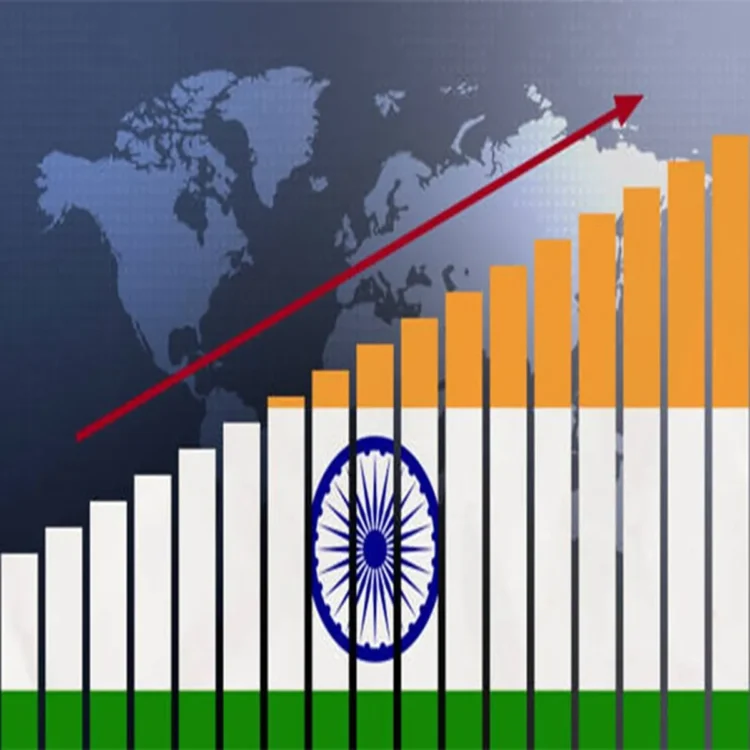
India’s economic expansion has drawn global attention, with projections indicating that the country could overtake Germany to claim the position of the world’s third-largest economy before the decade concludes. A recent report highlights that India is also on track to surpass Japan in terms of nominal gross domestic product in the near future, further reinforcing its growing influence in the global economy.
Manufacturing Sector Needs Renewed Focus
Despite the strong growth outlook, the report raises concerns about the declining role of manufacturing in India’s economy. Over the past decade, the sector’s contribution to GDP has dropped from 17 percent to 13 percent. This trend is seen as a critical issue because manufacturing plays a vital role in generating employment at scale.
According to the findings, each new job created in manufacturing tends to produce more than two additional jobs across related sectors. In contrast, employment growth in the services sector typically leads to only one additional job. This difference highlights why boosting manufacturing is essential not only for economic output but also for widespread job creation.
Job Creation Remains a Key Challenge
India’s expanding workforce presents both an opportunity and a challenge. While the country has a large pool of young talent, ensuring adequate employment opportunities remains crucial. The report suggests that without a stronger push in labor-intensive sectors like manufacturing, the economy may struggle to absorb its growing workforce effectively.
Experts emphasize that job creation must be aligned with economic growth to ensure that the benefits of expansion are distributed across different sections of society. Without this balance, income disparities could widen, especially in rural and semi-urban areas.
Agricultural Inefficiencies Affect Rural Incomes
The report also points to inefficiencies in the agricultural supply chain as a barrier to inclusive growth. Farmers currently receive only about 25 percent of the final price paid by consumers for agricultural produce. This gap limits income growth in rural areas, even as the broader economy continues to expand.
Improving distribution systems, reducing intermediaries, and strengthening infrastructure could help farmers secure a larger share of consumer spending. Addressing these issues is considered essential for boosting rural prosperity and ensuring balanced economic development.
Artificial Intelligence Seen as Growth Driver
Another major theme highlighted in the report is the importance of artificial intelligence in shaping India’s economic future. Companies are encouraged to move beyond pilot projects and integrate AI into their core business strategies.
The report notes that India has a strong base of technical talent capable of driving AI adoption. Businesses that successfully incorporate AI into their operations and demonstrate measurable outcomes are expected to gain a competitive edge in the coming years.
Urban Development Critical for Long-Term Progress
As India aims to transition into a high-income economy, improving urban living conditions will be essential. The report stresses the need for investments in infrastructure, affordable housing, and efficient public transport systems.
Making cities more livable is not only important for quality of life but also for sustaining economic growth. Well-planned urban centers can support productivity, attract investment, and provide better opportunities for residents.
Coordinated Efforts Required
The path ahead will require close collaboration between the government and private sector. Policymakers and businesses must work together to address structural challenges while leveraging emerging opportunities such as AI and advanced manufacturing.
Experts conclude that India’s economic trajectory remains strong, but sustained success will depend on strategic planning, inclusive growth policies, and a renewed focus on sectors that generate large-scale employment