
War – US-Iran Conflict Raises Oil Prices and Deepens Political Divide
War – The ongoing conflict between the United States and Iran is increasingly affecting global energy markets and political debate in Washington. Now entering its third week, the war has disrupted shipping routes through the Strait of Hormuz, a critical passage for global oil transport, while also fueling sharp disagreements among American political leaders about the direction and consequences of the military campaign.
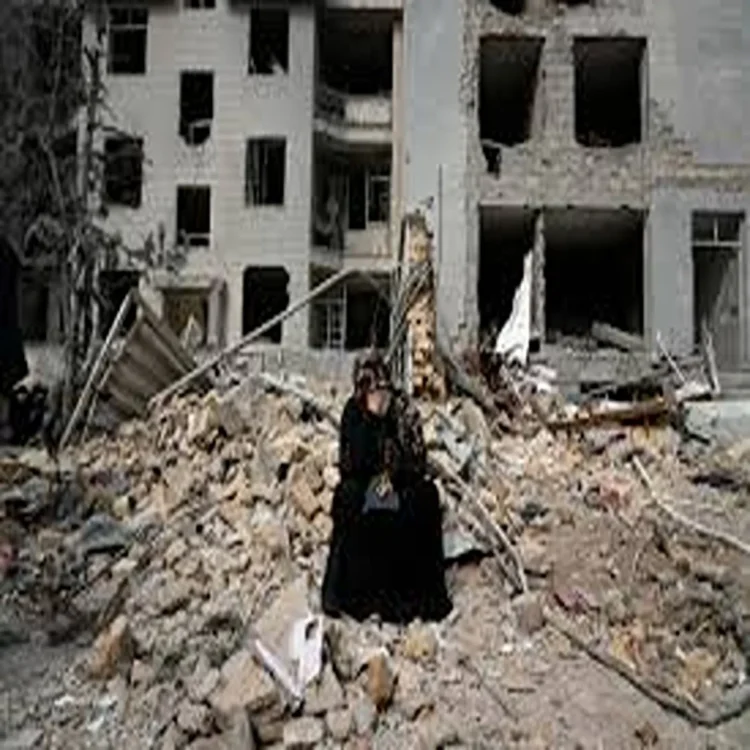
Energy Routes Under Pressure as Conflict Continues
The Strait of Hormuz, one of the world’s most vital energy corridors, has become a focal point of the conflict. Military activity in the region has raised concerns about the stability of global oil supplies, pushing energy prices upward and creating uncertainty in international markets.
With a significant share of the world’s oil shipments moving through the narrow waterway each day, even limited disruptions can have far-reaching economic effects. Analysts warn that prolonged instability could continue to influence global fuel costs and shipping operations.
US Officials Claim Significant Military Gains
Senior US officials have argued that the military campaign has dealt a major blow to Iran’s armed capabilities. Speaking during an interview on CNN’s State of the Union, United States Ambassador to the United Nations Mike Waltz said American forces had severely weakened Iran’s air force and missile systems.
According to Waltz, US operations have also targeted Iran’s air defense networks and missile production facilities. He described the results as a decisive military outcome, suggesting the campaign has significantly reduced Iran’s ability to conduct large-scale aerial or missile attacks.
In addition to battlefield outcomes, Waltz claimed that Iran is facing increasing diplomatic pressure on the global stage. He pointed to support within the United Nations for resolutions condemning attacks on civilian infrastructure as evidence that Tehran’s international standing is weakening.
White House Signals Conflict Could Continue
President Donald Trump indicated that the duration of the conflict will depend on whether Washington believes its objectives have been achieved. In remarks broadcast on Fox News, the president avoided providing a specific timeline for an end to the fighting.
Trump suggested that military operations would continue as long as necessary to meet the administration’s strategic goals. The statement reflects the uncertainty surrounding how long the conflict might last and what conditions would lead to a ceasefire or settlement.
Strait of Hormuz Remains Strategic Pressure Point
Iran has sought to use its geographic position near the Strait of Hormuz as leverage in the conflict. The narrow passage connects the Persian Gulf to international waters and carries a large portion of global energy exports.
Waltz noted that the disruption of this route particularly affects Asian economies. According to him, around 80 percent of oil shipped from the Gulf region is destined for Asian markets. He suggested that countries heavily dependent on these energy supplies should contribute to efforts aimed at safeguarding maritime routes in the region.
Political Divisions Grow in Washington
The war has also intensified political debate within the United States. Several Democratic leaders have criticized the administration’s decision to launch military operations without seeking approval from Congress.
Senator Cory Booker argued that initiating such a major conflict without legislative authorization raises constitutional concerns. He emphasized that decisions involving large-scale military engagement should be debated and approved by Congress.
Booker also highlighted the financial and human costs associated with the operation. He warned that the military campaign represents a significant expenditure of public funds and carries serious consequences for American service members.
Economic Concerns Raised by Critics
Former transportation secretary Pete Buttigieg also voiced concerns about the broader economic impact of the conflict. While expressing support for American troops, he questioned the political leadership guiding the military effort.
Buttigieg warned that the conflict could place additional financial pressure on American households. Rising mortgage rates, increasing food prices, and higher fuel costs are among the economic effects he said are already being felt by consumers.
Casualties Reported as Investigation Continues
The Pentagon has confirmed that 13 US service members have died since the conflict began. Among them were six personnel who lost their lives in Iraq after a refueling aircraft crashed during operations. Officials say the cause of the crash is still under investigation.
As the conflict continues, global energy markets, diplomatic relations, and domestic political debates remain closely tied to developments in the region.