
Iran – US Announces $10 Million Reward Targeting Mojtaba Khamenei
Iran – The United States has announced a reward of up to $10 million for information that could help identify or locate Mojtaba Khamenei, who has recently been identified by Washington as Iran’s new supreme leader. The announcement was made by the United States Department of State as part of a wider effort to gather intelligence on senior Iranian officials amid rising tensions in the Middle East.
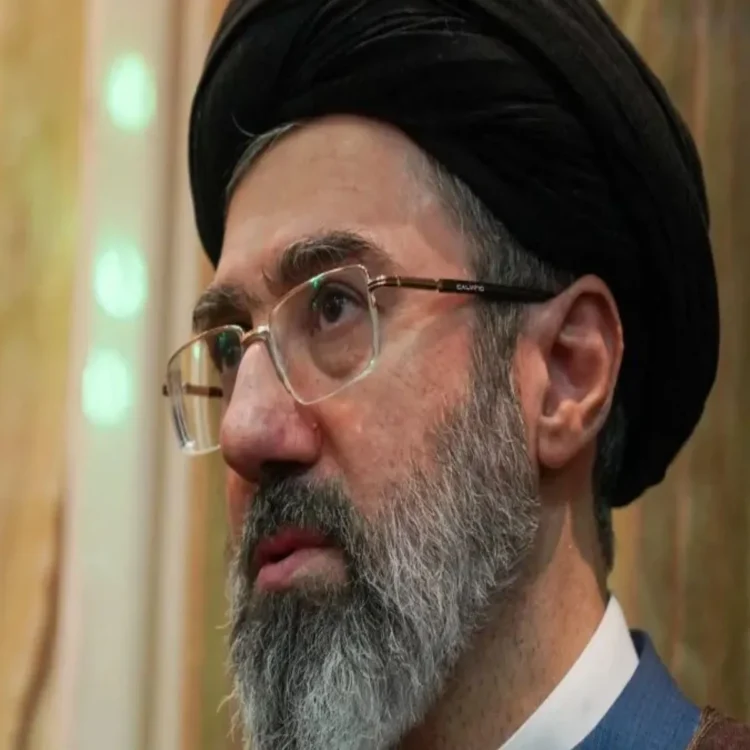
The financial incentive is being offered through the long-running Rewards for Justice Program, which encourages individuals worldwide to provide information that may assist authorities in tracking or prosecuting individuals suspected of involvement in activities targeting the United States.
Reward Offer Expands to Other Iranian Officials
Along with Mojtaba Khamenei, the updated list released by the program also names several other high-ranking figures in the Iranian government. Among those included are Iran’s interior minister and the country’s minister of intelligence and security. According to US officials, the reward applies to credible intelligence that could lead to identifying the individuals’ whereabouts or provide actionable details that would help bring them before international justice systems.
In a message shared through the program’s official social media accounts, authorities encouraged potential informants to come forward. The post stated that individuals who provide valuable information could qualify for a financial reward and may also receive relocation assistance to ensure their safety.
The State Department said the reward announcement is part of a broader strategy to disrupt networks believed to support operations considered hostile to American interests.
Rising Tensions After Military Strikes
The announcement comes against the backdrop of escalating hostilities across the Middle East. In late February, coordinated military strikes conducted by the United States and Israel targeted several Iranian military facilities. The operation triggered a swift response from Tehran.
Iran retaliated with a series of missile and drone attacks across multiple locations in the region on February 28, marking one of the most significant military exchanges between the parties in recent years. Analysts say the developments have further heightened security concerns throughout the Middle East, with both sides maintaining heightened military readiness.
Regional observers warn that the ongoing cycle of strikes and counterstrikes risks expanding the conflict if diplomatic channels fail to reduce tensions.
Trump Claims Iran Nearing Surrender
Amid the continuing confrontation, Donald Trump made strong remarks about the situation, claiming that Iran’s government is close to capitulating under mounting pressure. His comments were reportedly made during a virtual meeting with leaders of the Group of Seven nations.
According to reports cited by Axios, the US president discussed the outcomes of a military campaign referred to as Operation “Epic Fury.” During the discussions, Trump suggested that the strikes had removed what he described as a serious threat to global stability.
Officials familiar with the meeting said Trump told allies that the operation had eliminated a danger that could have posed risks to several countries.
War of Words as Conflict Continues
As military exchanges continue into a second week, political rhetoric has intensified alongside the conflict. Trump issued harsh criticism of Iran’s leadership, using strong language to condemn those in power in Tehran.
He also described the military operations against Iranian targets as part of a broader effort to dismantle what he called a hostile regime. According to the president, Washington’s strategy involves sustained military pressure aimed at weakening Iran’s leadership structure.
Despite the strong rhetoric, international observers say the situation remains fluid. Diplomatic efforts are ongoing behind the scenes, while regional governments and global powers continue monitoring developments closely.
Security experts warn that the coming weeks could be critical in determining whether tensions move toward further confrontation or begin to ease through negotiations.