
Security – US Warning to Iran After Strikes on Boats Near Strait
Security – The United States has issued a stern warning to Iran over any attempt to deploy naval mines in the strategically important Strait of Hormuz, after American forces carried out strikes that destroyed several vessels suspected of being involved in mine-laying operations. The developments have intensified tensions in one of the world’s most critical shipping routes for energy supplies.
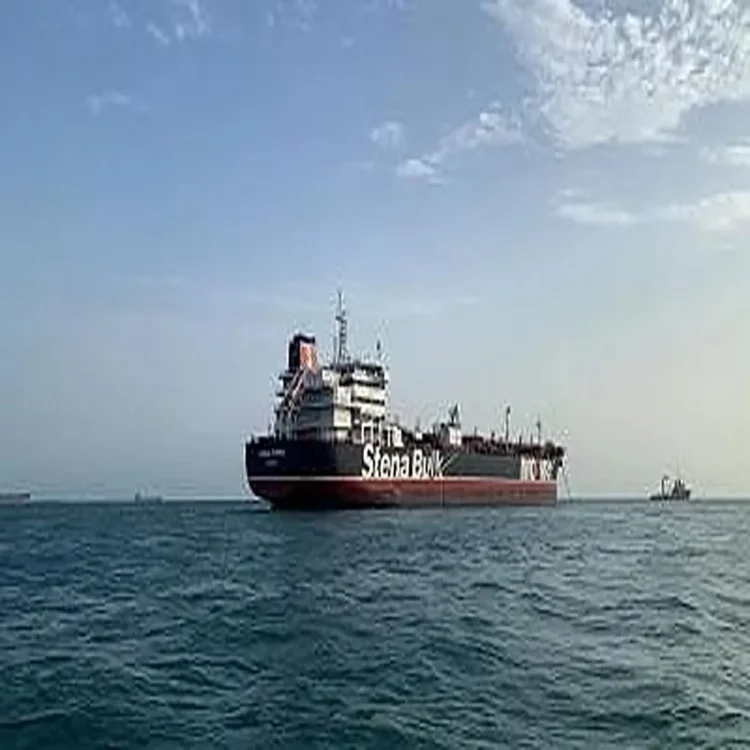
Washington Warns Tehran Over Strait of Hormuz Activities
US President Donald Trump cautioned Iran against placing mines in the narrow maritime corridor connecting the Persian Gulf with global energy markets. In a message shared on his social media platform Truth Social, Trump said the United States was closely monitoring any activity that could threaten navigation through the strait.
He emphasized that Washington had not yet confirmed the presence of mines in the waterway but warned that any such action would require immediate removal. According to the president, failing to comply could lead to severe military consequences.
Trump’s remarks signaled a strong stance from the United States as tensions in the region continue to rise.
Threat of Military Response if Mines Are Deployed
In his statement, Trump said that if Iran had deployed naval mines in the Strait of Hormuz and did not remove them quickly, the consequences would be unprecedented. He warned that the United States would respond with decisive force to protect the vital sea lane used by a large portion of the world’s oil shipments.
The president also indicated that American forces were prepared to use advanced technology and missile systems to stop any vessel attempting to lay mines in the strategic waterway. Such measures, he suggested, would be implemented rapidly to ensure safe passage for international shipping.
US Forces Destroy Suspected Mine-Laying Boats
Shortly after issuing the warning, Trump announced that American military units had already conducted operations targeting vessels suspected of involvement in mine deployment. According to his post, US forces destroyed ten boats believed to be connected to potential mine-laying activity.
He said the strikes had taken place within hours and hinted that further operations could follow if necessary.
Operation Epic Fury Intensifies Military Pressure
The US Central Command confirmed the strikes and said they were part of a broader military campaign known as Operation Epic Fury. The command stated that a large number of aircraft were continuing to conduct missions against Iranian maritime capabilities.
According to CENTCOM, the objective of the operation is to weaken Iran’s ability to threaten shipping routes and project military power at sea. Officials said the campaign involves sustained air operations designed to neutralize threats in the region.
Pentagon Says Action Aimed at Protecting Global Shipping
US Defence Secretary Pete Hegseth said the strikes were carried out under direct instructions from President Trump and were intended to safeguard international trade routes. He described the operations as highly precise efforts to eliminate vessels believed to pose a potential threat to maritime security.
Hegseth also warned Iranian authorities that the United States would not allow the Strait of Hormuz to become a point of disruption for global shipping. The waterway remains one of the most critical routes for oil transportation worldwide, making stability in the region essential for global energy markets.
Strategic Importance of the Strait of Hormuz
Military officials have long considered the Strait of Hormuz a highly sensitive maritime corridor because a significant portion of the world’s crude oil exports pass through it. Any attempt to block or disrupt the passage could have wide-ranging consequences for international trade and energy supply chains.
CENTCOM noted that Iranian forces have previously been accused of threatening freedom of navigation in the region. The current operations, according to the command, aim to reduce such risks and maintain open access to international waters vital to global economic stabil