
WarPowers – Trump Officials to Brief Congress on Iran Strikes
WarPowers – Senior members of President Donald Trump’s national security team are scheduled to address lawmakers on Tuesday, March 3, offering detailed briefings on recent US-led military strikes targeting Iran. The sessions come amid growing debate in Washington over both the scope of the operation and the legal authority under which it was carried out.
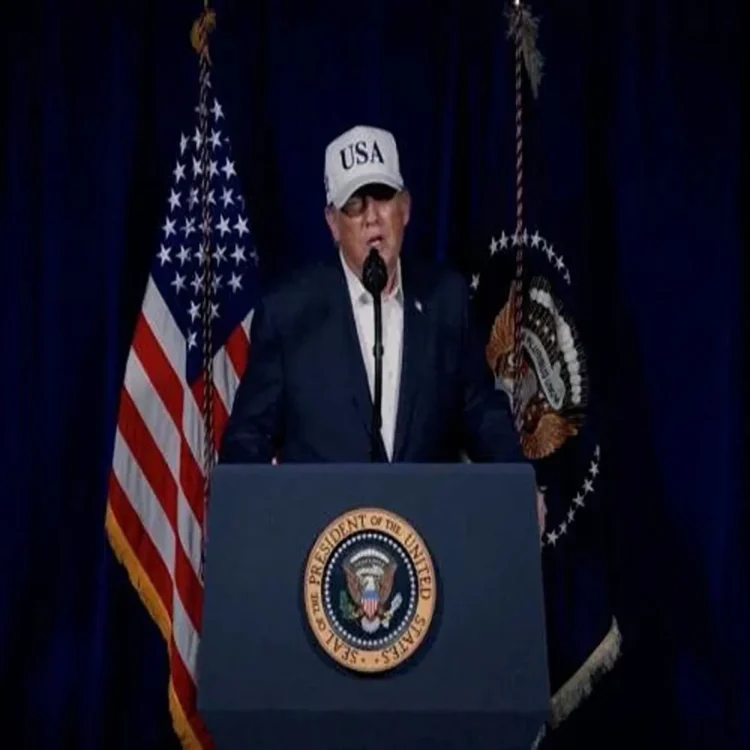
Administration to Address Full Congress
According to the White House, the briefings will be delivered to the full membership of both the House and Senate. The lineup includes Secretary of State Marco Rubio, Defense Secretary Pete Hegseth, CIA Director John Ratcliffe, and Gen. Dan Caine, chairman of the Joint Chiefs of Staff.
White House spokesperson Dylan Johnson said the officials will outline the objectives and execution of the military campaign, which has intensified tensions between Washington and Tehran.
Prior to the full briefing, administration officials engaged with key congressional committees. Johnson noted that bipartisan staff members from several national security panels were briefed for more than 90 minutes on the developments. The Pentagon also conducted a similar session on Sunday to provide additional operational context.
Partisan Reactions on Capitol Hill
Lawmakers have responded along sharply divided lines. Senate Majority Leader John Thune voiced strong support for the president’s decision, describing Iran’s nuclear program and its backing of militant groups as a serious and immediate threat.
In contrast, House Minority Leader Hakeem Jeffries criticized the administration for moving forward without first seeking congressional authorization. He argued that launching a large-scale military strike without legislative approval could place American service members at increased risk of retaliation.
The disagreement underscores a longstanding debate in Washington over the balance of war powers between Congress and the president.
Reports Detail Scope of Military Operation
While the White House has not publicly disclosed extensive operational specifics, major US newspapers have reported additional details about the campaign.
A report by The New York Times cited US and Israeli intelligence sources as saying the operation involved multiple coordinated waves of attacks. According to the newspaper, the strikes significantly weakened Iran’s senior military leadership and targeted key air defense systems. Israeli officials were quoted as describing a situation in which their aircraft were able to operate over Tehran with minimal resistance.
President Trump stated over the weekend that US forces had destroyed and sunk nine Iranian naval vessels, describing them as significant assets. His remarks suggested that further maritime actions could follow.
Meanwhile, The Washington Post, citing US Central Command, reported that American forces focused primarily on military installations. The objective, according to the report, was to degrade elements of Iran’s security infrastructure. A Western security official told the newspaper that strikes on an intelligence headquarters resulted in the deaths of several senior commanders.
Regional Fallout and Retaliation
Coverage by The Wall Street Journal indicated that Iran responded with retaliatory measures aimed at Gulf state infrastructure, including airports. The newspaper reported widespread flight disruptions across several Middle Eastern hubs, with thousands of flights canceled. Dubai International Airport temporarily halted operations following what was described as a drone-related incident.
These developments have raised concerns about broader regional instability and the potential for further escalation.
Constitutional Questions Resurface
Beyond the immediate military and diplomatic consequences, the episode has revived discussion over constitutional authority. Under the US Constitution, Congress holds the power to declare war. However, presidents from both parties have historically relied on their authority as commander-in-chief to initiate limited military engagements without formal declarations.
Similar disputes emerged during US involvement in Iraq, Libya, and Syria, reflecting the ongoing tension between executive action and legislative oversight in matters of national security.
As lawmakers prepare to hear directly from the administration’s top officials, the briefings are expected to shape the next phase of debate over US policy toward Iran and the broader question of military authority.