
NuclearDeal – Trump Signals Tough Choice in Iran Talks
NuclearDeal – President Donald Trump said Friday that the United States is approaching a critical moment in its negotiations with Iran, describing Tehran as a challenging and potentially dangerous counterpart while maintaining that Washington still prefers a diplomatic solution.
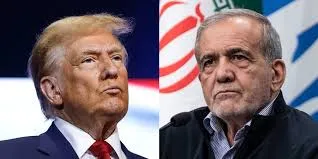
Speaking at an event in Texas, Trump acknowledged that the administration is weighing its options carefully following the latest round of nuclear discussions. The third set of talks between US and Iranian representatives concluded in Geneva on Thursday, with further meetings scheduled to continue efforts toward a possible agreement.
Negotiations Continue Amid Heightened Scrutiny
The ongoing dialogue centers on Iran’s nuclear program, which US officials insist must not result in Tehran acquiring nuclear weapons capability. Trump emphasized that any agreement under consideration must meet strict standards.
“We are facing a very significant decision,” Trump told the audience. He referred to Iran’s past actions in the region and stressed that the United States expects a deal that produces tangible and lasting results.
The President indicated that the administration has not yet reached a final determination regarding its next move. He added that additional talks are planned, suggesting that diplomatic channels remain open despite persistent disagreements.
Concerns Over Iran’s Nuclear Ambitions
Earlier in the day, while speaking to reporters, Trump expressed dissatisfaction with Iran’s approach at the negotiating table. He said the United States is seeking specific commitments from Tehran and has yet to see sufficient progress.
“We haven’t made a final decision,” he said. “They cannot have nuclear weapons. We’re not satisfied with how the negotiations are unfolding.”
The remarks reflect a broader US position that any future agreement must address key security concerns and include verifiable limits on nuclear activity. American officials have consistently stated that preventing nuclear proliferation in the Middle East remains a core objective of US foreign policy.
Military Pressure and Diplomatic Efforts
The talks are taking place against a backdrop of heightened military presence in the Middle East. The United States has increased its deployments in the region in recent months, a move that analysts say is intended both as a deterrent and as leverage in negotiations.
Trump referenced previous US military actions, including operations targeting Iran’s nuclear infrastructure, and suggested that Washington has demonstrated its willingness to act when necessary. However, he reiterated that a peaceful resolution would be preferable.
“I would rather see this resolved through diplomacy,” he said, while also cautioning that Iran presents serious challenges.
Regional tensions have prompted several governments to advise their citizens to leave Iran amid concerns over potential escalation. The situation has drawn international attention, with global markets and allied nations closely monitoring developments.
A Decision With Global Implications
The stakes of the negotiations extend beyond bilateral relations between Washington and Tehran. Any agreement — or breakdown in talks — could significantly affect regional stability, energy markets, and international security frameworks.
Trump noted that discussions with senior lawmakers and advisers are ongoing as the administration evaluates its options. He emphasized that any deal must be substantive and enforceable.
The coming days are expected to be critical as diplomats resume discussions. While both sides have signaled interest in continuing engagement, substantial gaps remain.
For now, the administration’s message is clear: diplomacy remains on the table, but it must deliver concrete outcomes. As negotiations proceed, the international community will be watching closely to see whether the two sides can bridge their differences and avoid further escalation.