
Pakistan – US Extends Support Amid Rising Afghanistan Tensions
Pakistan – The United States has conveyed its condolences to Pakistan following recent hostilities with Afghanistan while reaffirming Islamabad’s right to safeguard its territory. The message came from US Under Secretary of State for Political Affairs Allison Hooker during a conversation with Pakistan’s Foreign Secretary.
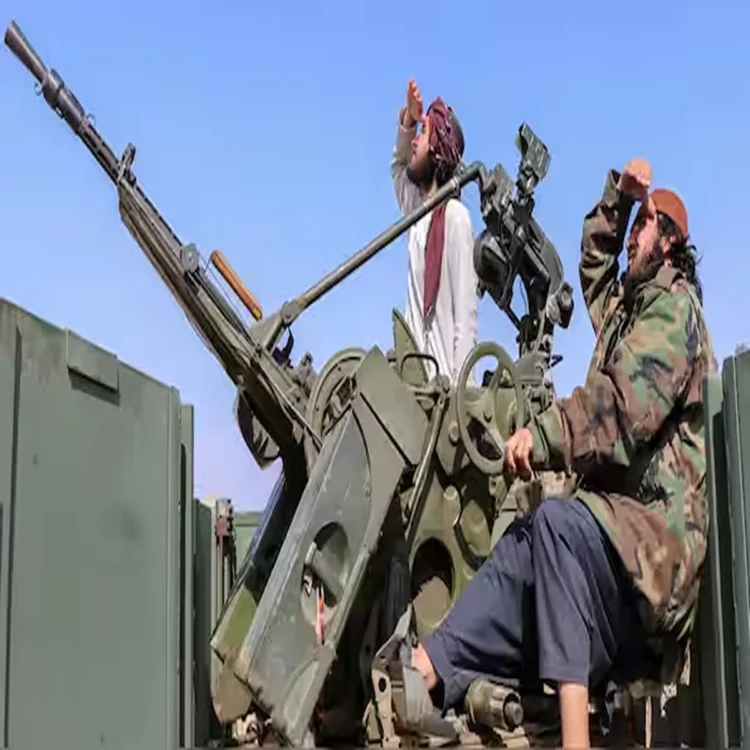
US Conveys Condolences and Security Support
In a statement shared on social media platform X, Hooker said she had spoken with Pakistan’s Foreign Secretary Baloch to express sympathy over the loss of lives during the recent clashes involving Pakistan and the Taliban. She added that Washington is closely tracking developments and continues to support Pakistan’s right to respond to attacks attributed to Taliban elements.
The remarks reflect growing international concern about the deteriorating security environment along the Pakistan-Afghanistan border, where tensions have escalated in recent days.
Security Alert Issued for Major Cities
Amid the unrest, the US Embassy in Pakistan released a security advisory for American citizens residing in or traveling to the country. The alert warned of possible threats linked to the heightened tensions between Islamabad and Kabul.
According to the advisory, Pakistani security forces have stepped up patrols and reinforced their presence in several major urban centers. The embassy cautioned that law enforcement facilities, military installations, and prominent commercial areas could be vulnerable to terrorist activity.
US officials urged citizens to remain vigilant, particularly during peak hours at crowded locations. The advisory also recommended maintaining awareness of surroundings, avoiding large gatherings where possible, and ensuring registration with the Smart Traveler Enrollment Program remains current.
Escalating Accusations Between Kabul and Islamabad
Relations between the two neighboring countries have grown increasingly strained, with both sides accusing each other of launching retaliatory strikes. The exchange of allegations has heightened fears that localized clashes could expand into a broader military confrontation.
Islamabad recently described the situation as tantamount to “open war” after conducting air operations in areas including Kabul, Kandahar, and Paktia. The strikes further inflamed diplomatic tensions and prompted sharp responses from Afghan authorities.
The developments mark one of the most serious flare-ups between the two countries in recent years, underscoring longstanding disputes over border security and militant activity.
Drone Incidents and Defensive Measures
Pakistan’s Information Minister, Attaullah Tarar, stated that Afghanistan had launched drone attacks targeting Abbottabad, Swabi, and Nowshera, according to local media reports. He said Pakistani anti-drone defense systems successfully intercepted the unmanned aircraft and confirmed that no casualties were reported.
The alleged drone incursions have added another layer of complexity to the conflict, raising concerns about the use of advanced surveillance and strike capabilities in cross-border operations.
Nationwide Ban on Drone Operations
In response to the deteriorating security situation, the Pakistan government announced a temporary nationwide prohibition on all drone flights. The Ministry of Interior issued a formal notification suspending both commercial and privately operated drone activity across the country.
Officials indicated that the measure was aimed at preventing unauthorized aerial movements and minimizing security risks during a period of elevated tensions. The decision follows recent border clashes that have significantly strained bilateral relations.
Regional Stability at Risk
Analysts note that continued escalation between Kabul and Islamabad could have wider implications for regional stability, particularly given the presence of militant groups operating near the border. Diplomatic observers say sustained communication between international stakeholders may be critical to preventing further deterioration.
While both governments have adopted firm public positions, there remains international pressure to avoid a prolonged confrontation that could destabilize an already fragile region.