
State of the Union – Lawmaker Named Designated Survivor as Trump Addresses Congress
State of the Union – As President Donald Trump prepared to address a joint session of Congress on Tuesday evening, one member of Washington’s leadership was deliberately kept away from the Capitol. California Representative Mike Thompson was assigned the role of designated survivor, a longstanding security measure intended to preserve the continuity of government in case of a catastrophic event.
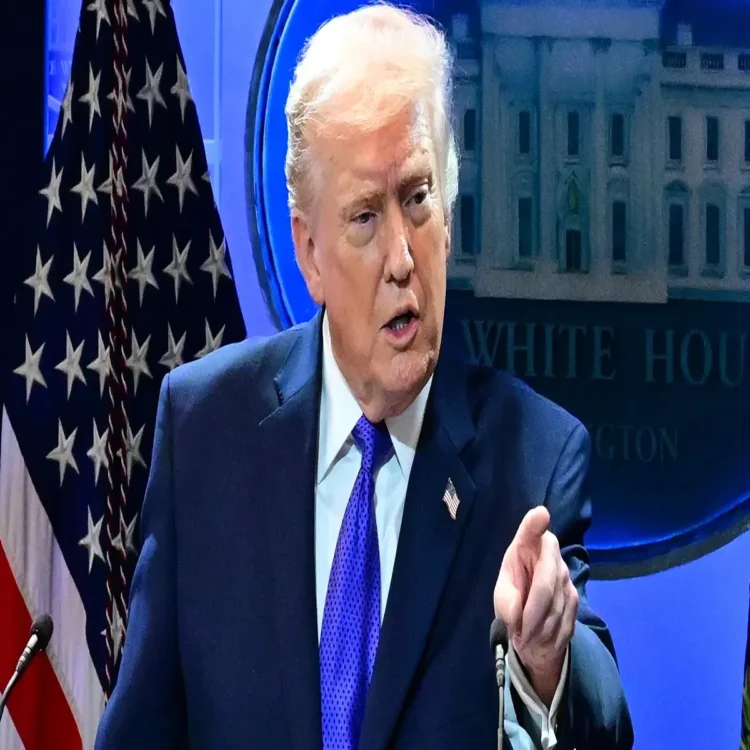
Security Measure Keeps One Lawmaker Away
Thompson, who represents California’s 4th Congressional District, confirmed ahead of the speech that he would not be present in the House chamber. In a message shared publicly, he said he would follow the address remotely from a secure and undisclosed location.
The designated survivor protocol ensures that a senior official remains in a protected setting while the president, vice president, Cabinet members, Supreme Court justices, and congressional leaders gather in one place. Should an extraordinary emergency occur, that individual would be positioned in the line of succession to assume presidential duties.
Origins of the Designated Survivor Practice
The tradition dates back to the Cold War, when fears of a large-scale attack on Washington raised concerns about preserving constitutional order. Since then, one official has been selected during major national events such as the State of the Union address.
According to established procedure, the role is typically assigned to a Cabinet secretary. During last year’s address, Doug Collins, who serves as Secretary of Veterans Affairs, was chosen. This year, however, the responsibility was given to a member of Congress, reflecting the flexibility built into the safeguard.
Guest Attendance and Political Messaging
Although Thompson was absent from the chamber, one of his invited guests attended the speech. Bernie Narvaez, a Marine Corps veteran, small business owner, and Napa City Councilmember, took his seat in the House gallery.
In remarks shared before the address, Thompson highlighted Narvaez’s experience as both a business owner and a family man. He pointed to concerns over rising household expenses and operational costs for small businesses, arguing that economic pressures remain central for many communities.
Presidents and lawmakers traditionally invite guests to these high-profile events to spotlight policy priorities and illustrate real-world challenges. This year’s guest lists reflected the political themes both parties intend to emphasize.
Trump’s First Address to the 119th Congress
Tuesday’s speech marked President Trump’s first State of the Union address before the 119th Congress. The invitation was formally extended earlier this year by House Speaker Mike Johnson. As is customary, the president delivered his remarks from the House chamber dais, flanked by Vice President JD Vance and Speaker Johnson.
Seating arrangements follow longstanding tradition. Cabinet members, Supreme Court justices, military leaders, and members of the diplomatic corps are seated near the front. Lawmakers occupy remaining seats on a first-come basis, while invited guests observe from the gallery above.
Focus on Economic Priorities
The White House identified this year’s theme as “America at 250: Strong, Prosperous and Respected.” The address comes as the United States approaches the 250th anniversary of its founding, a milestone the administration has referenced in recent messaging.
Economic issues were expected to dominate the president’s remarks. In public comments ahead of the speech, Trump indicated he would outline proposals aimed at tax relief and economic growth, describing what he views as renewed national momentum during his current term.
Public opinion surveys conducted before the address suggest that voters are closely watching economic developments. Many Americans have cited the cost of living and broader financial stability as top concerns.
Balancing Ceremony and Safeguards
While much of the evening’s attention centered on policy proposals and political strategy, the selection of a designated survivor served as a reminder of the underlying security considerations that accompany major national gatherings.
The practice, though rarely discussed in detail during the event itself, underscores the government’s commitment to maintaining constitutional continuity under any circumstance. Even amid ceremonial traditions and partisan debate, the precaution remains a quiet but essential component of one of Washington’s most prominent annual events.